Events & Experiences
Traveling For Carnival: Rio, Venice And Notting Hill
Three very different carnivals, and what each asks of a visitor.
By Marta Solberg · 24 April 2026 · 8 min read
Events & Experiences
Three very different carnivals, and what each asks of a visitor.
By Marta Solberg · 24 April 2026 · 8 min read
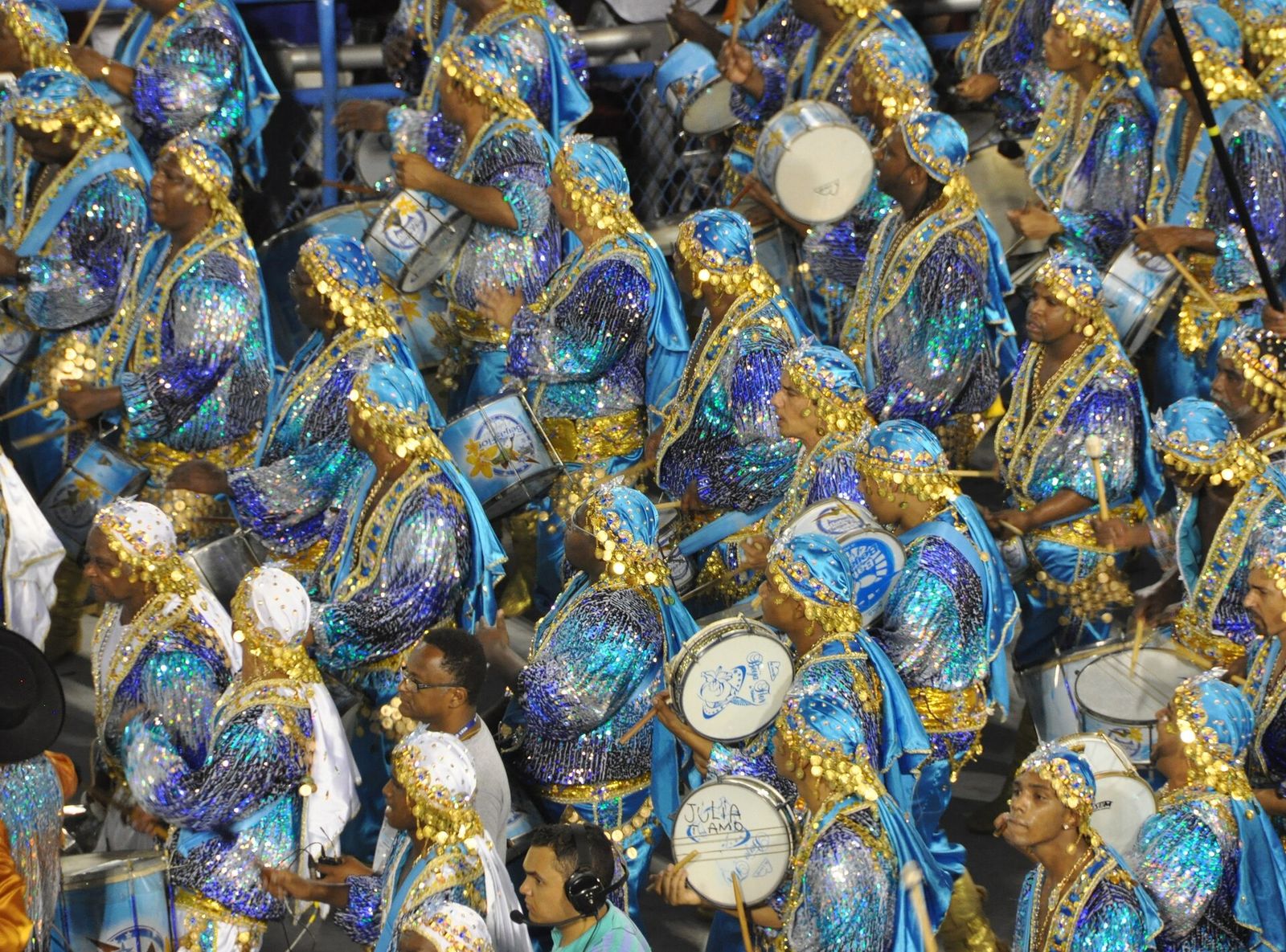
Three cities call their February or March or August street festival a carnival, and beyond the shared name they have almost nothing in common. Rio's version is loud, tropical and built around a competitive parade; Venice's is masked, cold and deliberately quiet by comparison; Notting Hill's is a single bank holiday weekend of sound systems in west London with no ticket at all. Planning a trip around any of the three means understanding which one you are actually signing up for, since the differences matter more than the shared word suggests, a theme also touched on in major-sporting-events-and-how-to-plan-a-trip-around-them when it comes to matching a trip to the actual character of an event.
Rio de Janeiro's carnival splits into two experiences that many visitors do not realize are separate. The formal, ticketed parades happen at the Sambadrome Marques de Sapucai, a purpose-built parade avenue where the top samba schools compete over two nights with elaborate floats and costumes; tickets range from grandstand seats to far pricier box seating, and both need to be bought well ahead through official channels. Running alongside that, free street parties called blocos take over neighborhoods such as Santa Teresa, Lapa, Ipanema and Botafogo, each with its own crowd, music style and start time, and attending one requires nothing more than showing up, though the largest blocos draw crowds dense enough that valuables are better left at the hotel.
Timing follows the pre-Lent calendar, so the exact dates shift year to year between February and March; the official schedule is published by Rio's tourism authority and by the samba school league, and it is worth checking rather than assuming a fixed date. Accommodation across the South Zone, meaning Copacabana, Ipanema and Leblon, gets booked out many months in advance, and a number of properties impose minimum-night stays during carnival week that would not apply the rest of the year. The city runs its metro on extended hours through the main carnival days, which matters more than it might elsewhere given how spread out the blocos are, and the combination of heat, crowds and long days on foot makes hydration and sun protection a genuinely practical concern rather than an afterthought, something worth reading alongside a-weekend-in-rio before finalizing a first visit.
Venice's carnival is the temperamental opposite of Rio's. It runs across roughly two weeks in the run-up to Lent, built around elaborate masks and costumes rather than parades or sound systems, and much of it plays out as informal, photogenic gatherings in campi and along canals rather than a single scheduled event. Piazza San Marco becomes the densest point of the whole city during peak weekends, and Venice's authorities have introduced pedestrian one-way systems on the busiest days to manage the crowd flow through the narrow calli, a detail worth checking before assuming a straight line between two points on a map.
Vaporetto lines get seriously congested during carnival weekends, particularly the routes serving San Marco and the Rialto, and travelers should build in extra time for what would normally be a short water-bus hop. Where to stay is a real decision here too: Cannaregio and Dorsoduro offer a quieter, more residential base within the historic city, while commuting in from Mestre on the mainland or from Padua by train is a cheaper and often more available option given how tight hotel supply gets inside Venice itself during the festival. February weather in the lagoon runs cold and damp, and acqua alta, the seasonal high-water flooding that affects low-lying parts of the city, is a real possibility during exactly this window, so waterproof boots are closer to a requirement than a suggestion.
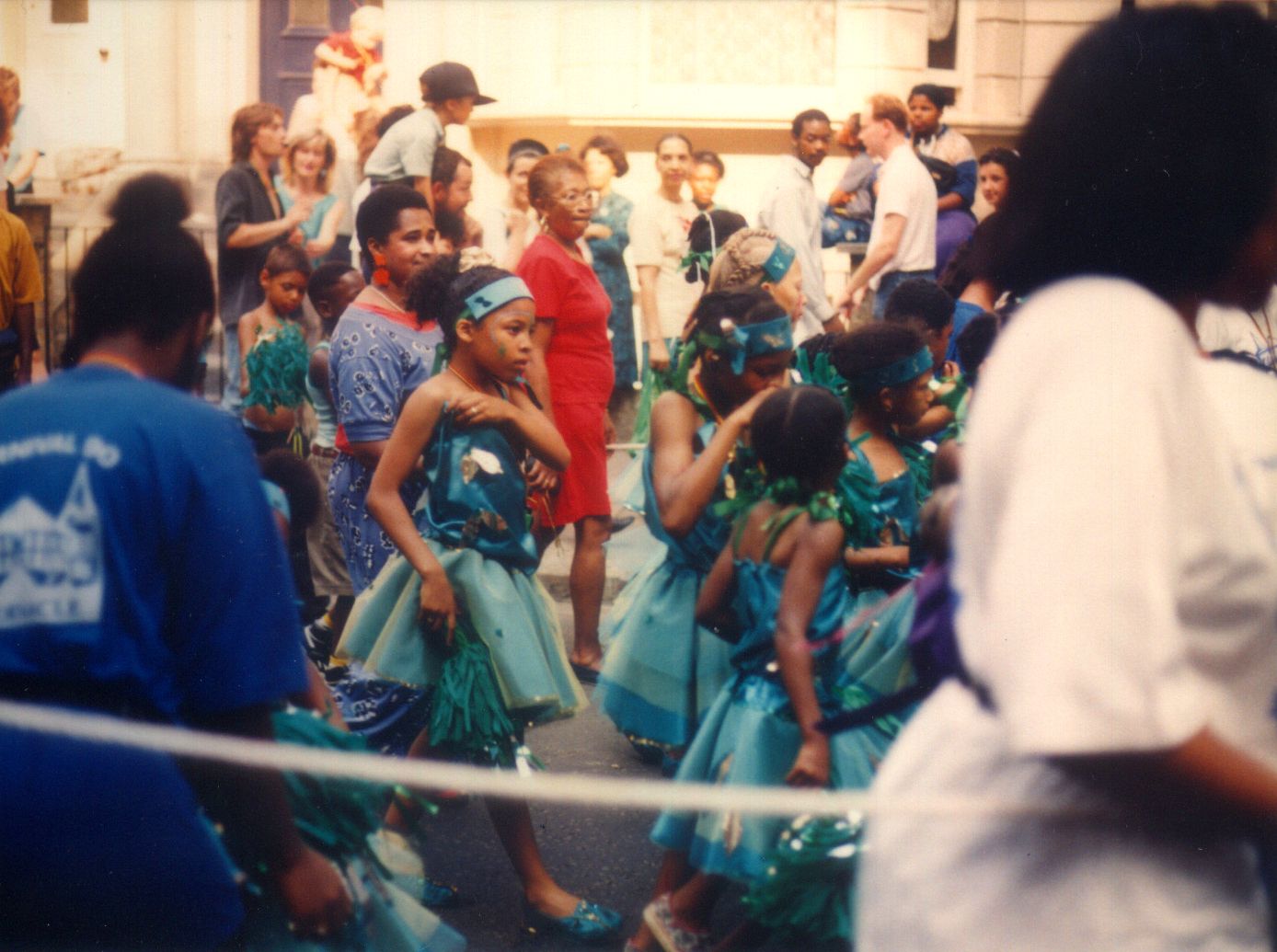
Notting Hill Carnival is the most compressed of the three, running over the August bank holiday weekend in west London, with a smaller Sunday event known as Family Day preceding the larger Monday parade. There is no ticket and no gate; the carnival is a street event across a defined area, with static sound systems lining roads such as Ladbroke Grove and Kensal Road playing everything from soca to reggae to drum and bass, alongside a moving parade of costumed groups known as mas bands.
Transport around the event is where most of the planning actually happens. A number of nearby Underground stations, including some serving the immediate carnival footprint, either close entirely or switch to exit-only during peak hours to manage crowd flow, and Transport for London publishes the specific closures ahead of the weekend rather than keeping them fixed year to year. Road closures across the surrounding streets in Notting Hill and North Kensington are extensive, which affects everything from taxi pickup points to which restaurants are actually reachable by car; walking in from a station slightly outside the closure zone is usually more reliable than trying to arrive right at the center. Food stalls along the route are a large part of the appeal, with jerk chicken and Caribbean cooking widely available from vendors set up specifically for the weekend, a different texture of trip entirely from how-to-choose-the-right-neighborhood-in-a-new-city style planning, since the event reshapes the neighborhood itself for two days.
Documentation and border basics matter for two of the three trips in a way that is easy to overlook amid costume planning. Travelers heading to Rio should check Brazil visa requirements well ahead through the guidance in travel-documents-visas-and-passport-requirements-explained, since rules vary considerably by nationality and change periodically. Venice and Notting Hill sit within the EU and UK respectively, which simplifies entry for many travelers but does not remove the need to check passport validity windows before departure.
Staying connected also looks different across the three. Rio and Venice both see local mobile networks strain under carnival crowds, particularly in the densest hours around the Sambadrome or Piazza San Marco, and a local SIM or an offline map downloaded in advance, as suggested in staying-connected-abroad, removes one point of stress. Notting Hill is compact enough that a paper map of road closures, published by the organizers ahead of the weekend, is often more useful on the day than a phone signal competing with hundreds of thousands of nearby users.
Group size changes the calculus too. A couple can often find a last-minute apartment in Cannaregio or a small guesthouse in Rio's Santa Teresa even close to the date, while a larger group chasing carnival week needs to commit early or split across two properties, since blocks of adjoining rooms are the first inventory to disappear in all three cities. Notting Hill removes this problem almost entirely, since most attendees are day-tripping locals or short-stay visitors using existing London accommodation rather than booking specifically around the carnival itself.
Someone who wants spectacle, heat and an all-night atmosphere is better served by Rio, provided the budget stretches to South Zone accommodation booked well ahead and, if the Sambadrome is the priority, tickets bought through an official or clearly reputable reseller rather than an informal one. Someone drawn to atmosphere over noise, and comfortable with cold, damp February weather, will find Venice's carnival closer to a slow, photogenic wander than a party, with the added logistical wrinkle of acqua alta to plan around.
Notting Hill suits a traveler who wants a genuinely local, free, single-weekend event layered onto an existing London trip rather than a reason to travel on its own; it pairs naturally with a broader look at culture-focused-city-breaks-around-europe for anyone building a longer itinerary around the bank holiday. In every case, the sensible approach is the same one that applies to any major recurring event: confirm the actual dates for the specific year, since Rio and Venice both move with the Christian calendar and Notting Hill moves with the UK's August bank holiday, and book accommodation as early as the destination's own booking patterns suggest, which for all three now means many months rather than a few weeks.

Money also behaves differently across the three. Rio carnival week pushes hotel and even flight prices to some of the highest of the Brazilian calendar year, alongside inflated pricing for private transport within the city. Venice sees a smaller but still real spike in hotel rates during its carnival weeks, softened somewhat by the mainland commuting option from Mestre. Notting Hill has comparatively little effect on London hotel pricing overall, since it is a single weekend rather than a multi-week season, though anywhere within easy walking distance of the carnival route itself can still book up.
Building any of these three into a longer trip is straightforward as long as the event itself is treated as the anchor rather than the whole plan. Rio pairs naturally with time on Brazil's coast once the parades finish; Venice sits inside a wider look at scenic-coastlines-and-islands-for-a-slower-journey if the lagoon and nearby coast are part of the appeal; and Notting Hill works best simply added onto an existing London visit planned using the same habits covered in how-to-plan-a-trip-without-overpacking-the-schedule, since the carnival itself only needs a day or two of the calendar.
Events & Experiences
Tickets, logistics, water and the practical reality of a week in the desert.
7 min read

Events & Experiences
Festivals whose cities and seasons justify the whole journey.
8 min read
Events & Experiences
Ballots, resale rules and booking a bed before the fixture list is published.
8 min read