Events & Experiences
Major Sporting Events And How To Plan A Trip Around Them
Ballots, resale rules and booking a bed before the fixture list is published.
By Camille Rousseau · 25 April 2026 · 8 min read
Events & Experiences
Ballots, resale rules and booking a bed before the fixture list is published.
By Camille Rousseau · 25 April 2026 · 8 min read
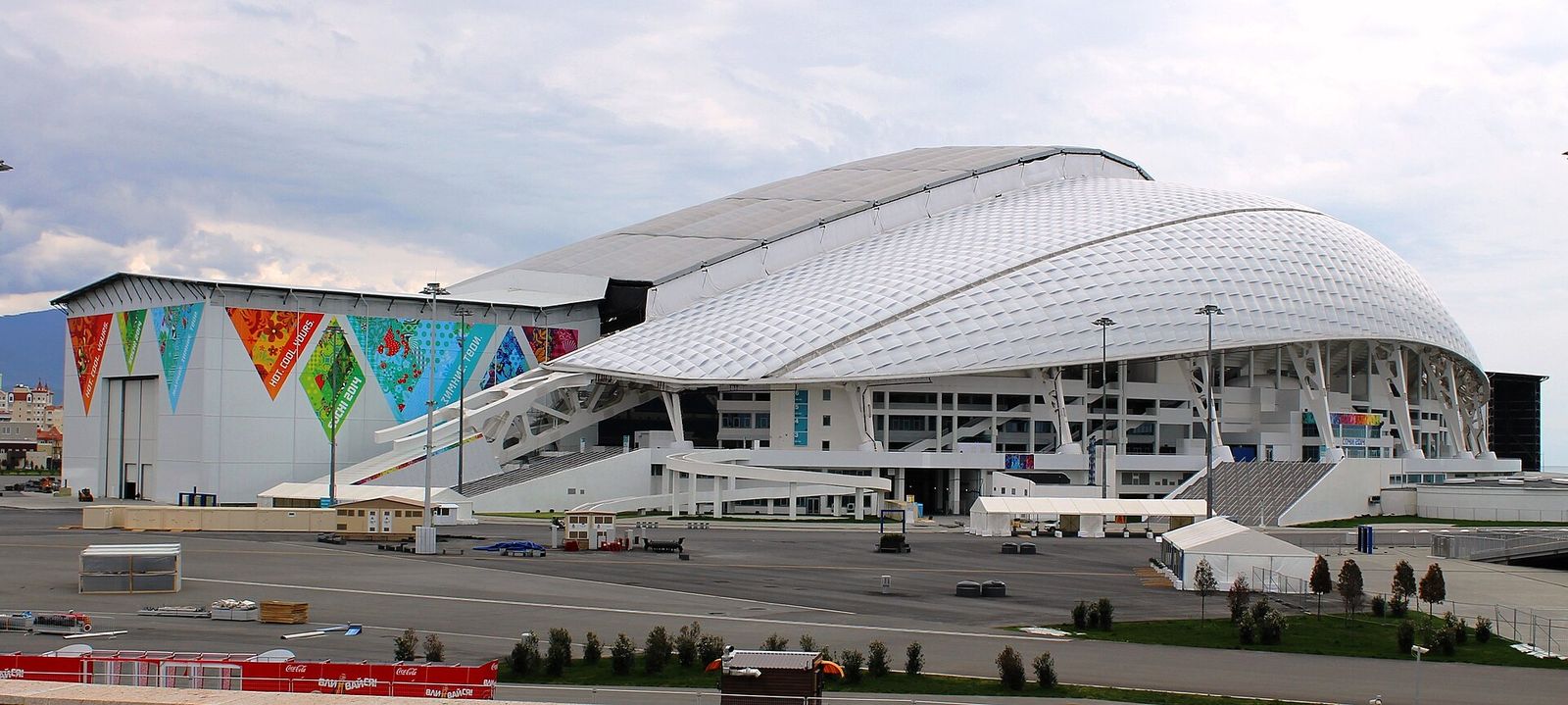
Planning a trip around a major sporting event is a different exercise from planning a normal city break. The calendar is fixed, the crowds are enormous, and the ticketing systems often work nothing like a standard hotel or flight booking. Get the sequence wrong and you can end up with flights booked before you know which city you will actually need to be in, or a hotel room locked in at a rate that triples the week the fixtures are announced. This guide walks through five recurring events, the Olympic Games, the FIFA World Cup, Wimbledon, the Tour de France and Formula 1, and the practical order of operations that tends to work.
The single biggest mistake in event travel is booking transport and accommodation before you have any certainty about tickets. Olympic Games tickets are typically sold through each country's National Olympic Committee-authorised reseller rather than a single global site, and allocations, prices and sale windows differ by country. FIFA World Cup tickets run through a staged system of a random draw ballot followed by first-come windows, and the ballot usually opens before the full match schedule and kick-off times are confirmed. Buying a non-refundable flight into a specific match city before the schedule is locked is one of the most common and expensive errors travellers make around the tournament.
Wimbledon works differently again. Most Centre Court and No.1 Court tickets are allocated through a public ballot that opens months ahead of the Championships, but a meaningful number of grounds passes are sold on the day through the Queue at Wimbledon Park, a system with its own etiquette, overnight camping culture and daily capacity limits. The Tour de France, by contrast, needs no ticket at all for roadside viewing, which changes the entire planning logic: the constraint is accommodation and positioning, not access.
Olympic venues are rarely concentrated in one neighbourhood. A single Games typically spreads across several venue clusters within a wider metropolitan region, sometimes including a cluster an hour or more from the main athletes' village by public transport. Before booking anywhere, map which cluster your ticketed sessions fall into, because a hotel that looks central on a general city map may be a difficult commute from the specific venue you need on a specific day.
Host cities generally bundle a transport pass with the event ticket, valid on designated public transport for the day of the session, which is worth factoring into whether you need a separate multi-day travel card. Hotel rates in the host city spike hard in the twelve to eighteen months before the opening ceremony as allocations get confirmed, and refundable-rate rooms disappear first. A workable strategy used by experienced Games travellers is to base one rail line out from the main hub, in a suburb or satellite town with a fast direct connection, where nightly rates can run at a fraction of anything inside the core hosting zone. See also how to build a realistic travel budget for how to model these swings before committing.
A World Cup group stage typically has each team playing in two or three different host cities before the knockout rounds even begin, so a itinerary built around following one nation can involve several long-haul or inter-city hops in under two weeks. Because the ballot for tickets usually opens before the full fixture list with kick-off times and exact stadiums is published, it is common to hold a ticket without yet knowing precisely when or where the match will be played within a host city or region. This is the point at which travellers most often get burned by early hotel bookings.
Once fixtures are confirmed, the practical work is comparing inter-city flight capacity (which sells out fast during the tournament window) against rail alternatives where the host countries have strong intercity networks. In tournaments hosted across multiple countries, cross-border rail or budget carriers can be considerably more reliable than chasing scarce short-haul flight seats. Build in a buffer day between matches in different cities rather than same-day connections, since delays during a tournament period compound quickly. For general multi-city sequencing logic, how to plan a multi-city international trip covers the underlying method.
The public ballot for Wimbledon opens roughly a year ahead and results are notified months before the Championships begin, so this is one event where planning genuinely starts a full year out if a show-court seat matters to you. For those without a ballot ticket, the Queue at Wimbledon Park remains a functioning route to a grounds pass or, for a limited number of people who arrive early enough, a show-court resale ticket released as fans leave through the day. Arriving before dawn is standard during the middle Saturday and the second week.
Southfields on the District line is the usual station for the All England Club, a short walk or shuttle-bus ride from the grounds, and it gets heavily congested on marquee days such as the men's and women's finals. Staying anywhere directly on the District line simplifies the day considerably; a hotel that requires two changes to reach Southfields is worth avoiding purely for the exhaustion factor after a full day of tennis and queueing.
The Tour de France route is announced the previous autumn, giving roughly eight months to plan around a confirmed stage list, though the exact timings on the day are only finalised closer to race week. Roadside viewing is free, which is the event's main appeal for budget-conscious travel, but the real cost is accommodation scarcity in the specific towns the route passes through, particularly on mountain stages. Villages near Alpe d'Huez or the Col du Tourmalet routinely sell out a year in advance for major mountain stages, and campsite pitches book out almost as fast as hotel rooms once the route is public.
Roads close hours before the peloton arrives, often from early morning for an afternoon stage finish, so spectators typically walk or cycle in and settle for a long wait with no return access until after the race convoy has passed. This is worth factoring into any onward travel plan for that day; do not book a flight or train departing anywhere near the finish-town on race day itself.
F1 race weekends run across three days, practice and qualifying on Friday and Saturday, the race on Sunday, and most circuits sell tickets in tiers from numbered grandstand seats to general admission hillside or infield access. Monza, Spa-Francorchamps, Suzuka and Silverstone each have their own character: Monza's grandstands along the start-finish straight sell out fastest, Spa's general admission areas in the Ardennes forest give sweeping views of sections like Eau Rouge without a fixed seat, Suzuka combines rail access from Nagoya with a famously loyal local fanbase that queues early, and Silverstone leans heavily on campsite culture with many fans staying on-site for the whole weekend.
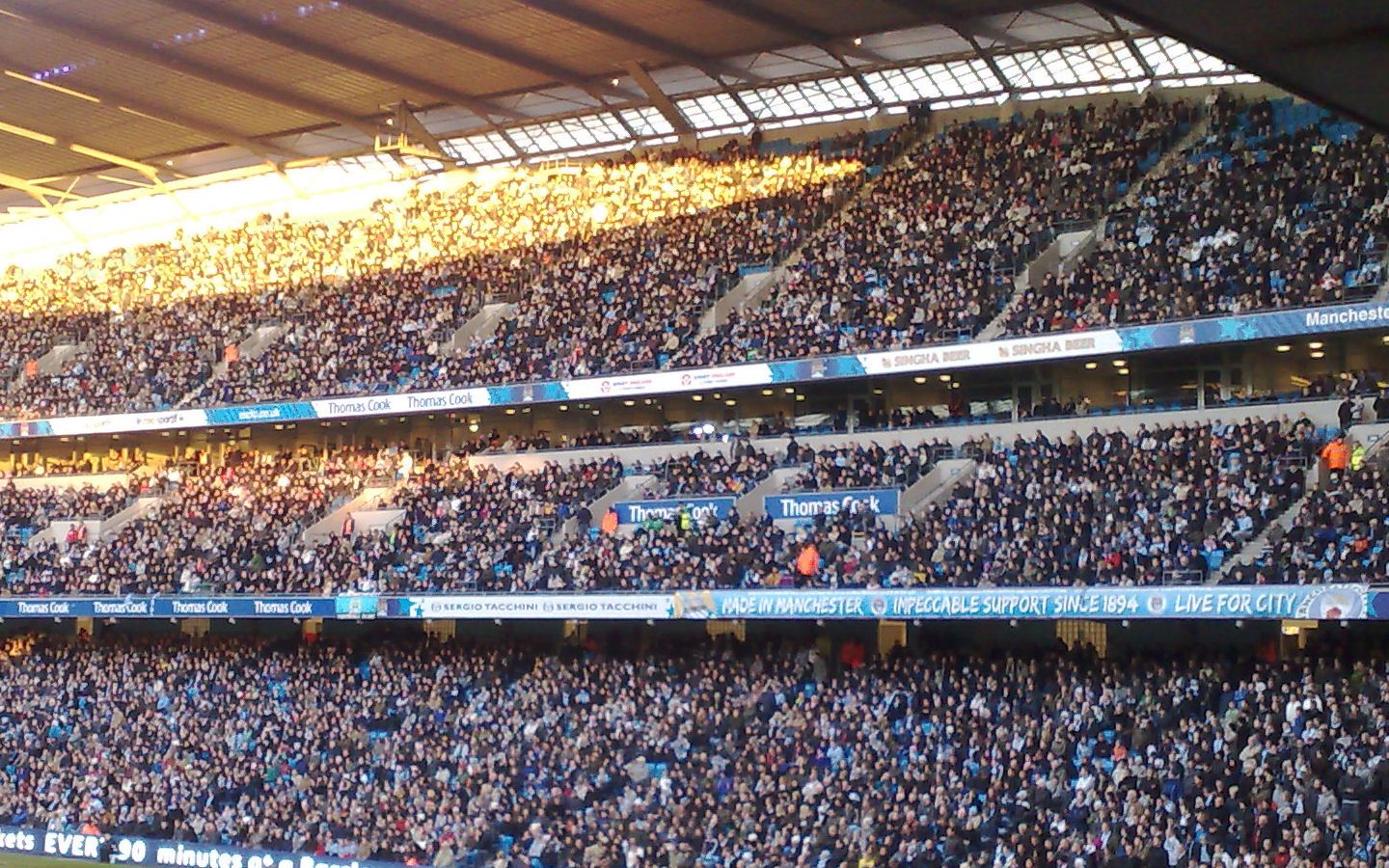
Park-and-ride schemes are standard at most circuits and often the only sensible way in given how constrained circuit-adjacent roads become; check the official race operator's transport page for shuttle points rather than assuming a hire car will get you close. Campsites, where offered, solve the exit problem that traps ticket holders who drove in, since leaving a circuit car park after a race can take two to three hours in heavy traffic.
Across all five events the sequence that avoids costly mistakes is broadly the same: secure or at least understand your ticket odds first, wait for the fixture or schedule confirmation where one exists, then book transport, then accommodation, keeping refundable rates wherever the price difference is small enough to justify the flexibility. Refundable or free-cancellation hotel rates typically cost ten to twenty percent more than the locked-in price, which is a reasonable insurance premium against a schedule change or a missed ballot.
Insurance and buffer days matter more here than on an ordinary holiday. Build at least one spare day on either side of the event window in case of transport disruption, and check what your travel insurance actually covers if a match, stage or session is postponed or relocated. General planning discipline from how to plan a trip without overpacking the schedule applies directly to event trips, where the temptation to cram in extra sessions or stages can leave no slack at all.
The hardest hour of any of these events is often not the event itself but the exit. Tens of thousands of people leaving a stadium, circuit or Tour finish line at the same time overwhelms local transport within minutes, and taxis and ride-hailing apps frequently apply surge pricing or simply stop accepting rides from the immediate area. Walking to a station one or two stops further out, where queues are shorter, is a trick used by regular attendees at Wimbledon, Silverstone and Olympic venues alike.
For destinations where the event is only part of a longer trip, such as combining a World Cup match with wider travel, it is worth reading common travel mistakes first-time international travelers make alongside this guide, since event-driven trips amplify the cost of ordinary planning errors.
Ticket systems, ballot dates, transport bundling and venue locations change between editions of every one of these events, and official organisers periodically revise processes after previous editions expose problems. Treat every specific date, price range or allocation method mentioned here as a starting point for research, not a fixed rule, and always confirm current details on the official event or governing body website before buying flights or accommodation.
Events & Experiences
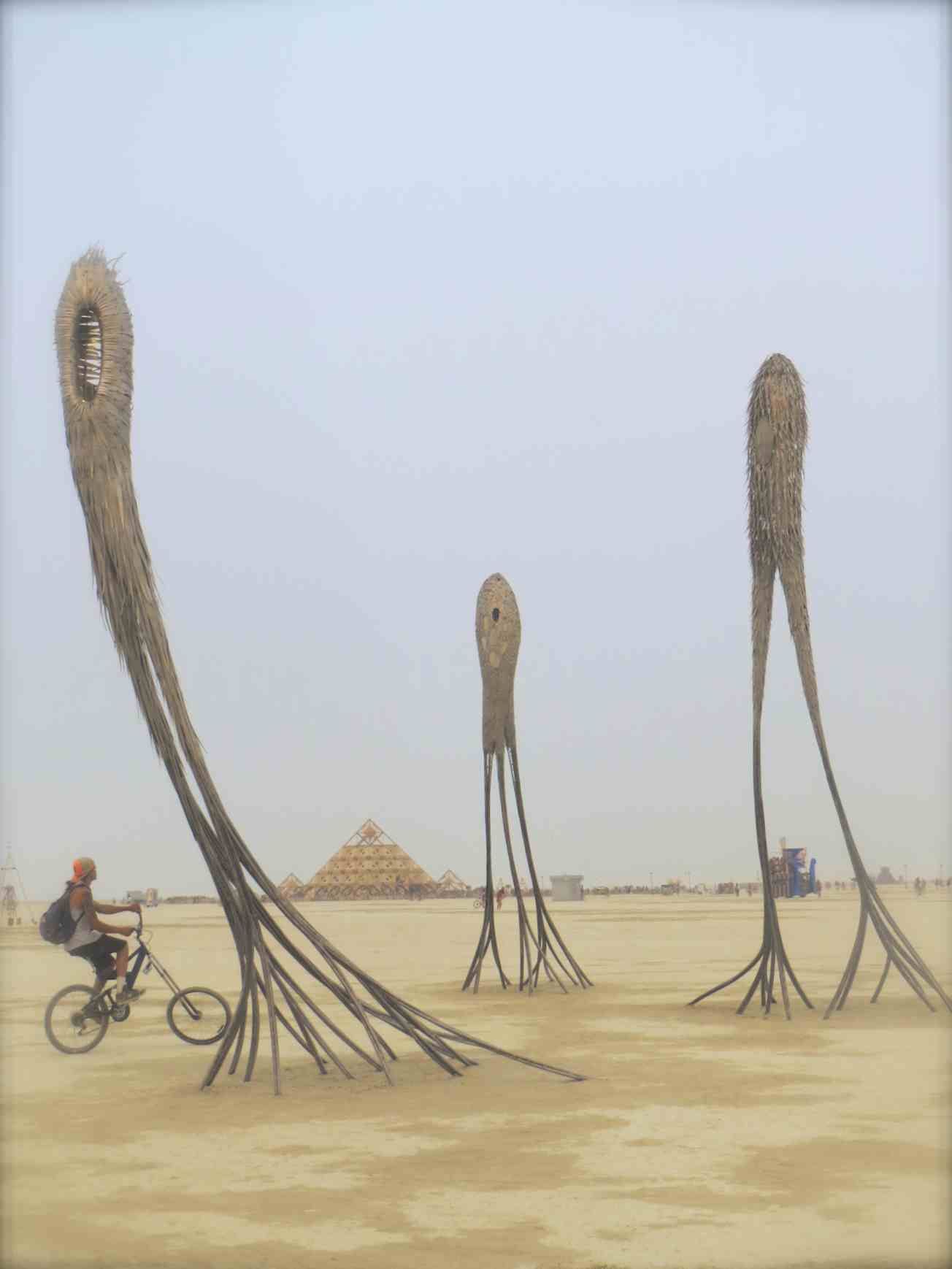
Tickets, logistics, water and the practical reality of a week in the desert.
7 min read
Events & Experiences
Festivals whose cities and seasons justify the whole journey.
8 min read
Events & Experiences
Three very different carnivals, and what each asks of a visitor.
8 min read