Events & Experiences
Music Festivals Around The World Worth Planning A Trip Around
Festivals whose cities and seasons justify the whole journey.
By Daniel Okonjo · 23 March 2026 · 8 min read
Events & Experiences
Festivals whose cities and seasons justify the whole journey.
By Daniel Okonjo · 23 March 2026 · 8 min read
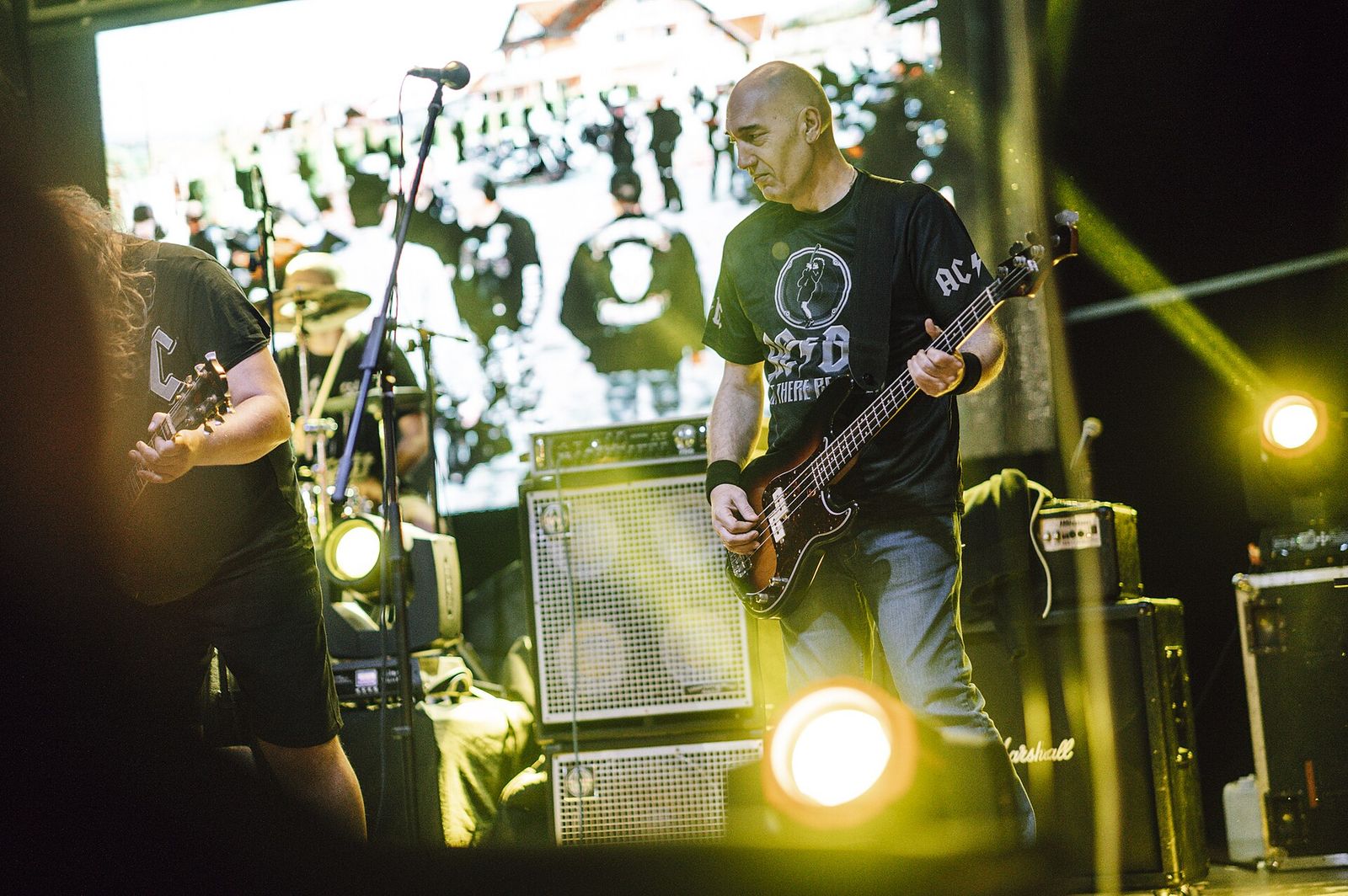
A festival lineup is only half the trip. The other half is a set of logistics questions that rarely get asked until the tickets are already bought: where you will sleep, how you will get from the site back to a bed at two in the morning, and whether the town around the festival can absorb the crowd without turning every transaction into a queue. Some of the world's events-and-experiences are built around music, and the good ones reward a bit of planning the same way a national park or an ancient city does, by thinking about the destination first and the stage times second.
Glastonbury takes place on Worthy Farm near Pilton in Somerset, a genuinely rural site with no permanent infrastructure for the roughly 200,000 people who pass through it across a long weekend. There is no walk-up ticket. Registration opens months ahead, and the general sale that follows sells out within minutes; a resale round, usually in the spring, is the more realistic route for anyone who missed the first pass. Coach-plus-ticket packages, sold through the festival's official coach partner, are worth considering even for travelers who would normally drive, since car parking near the site fills early and the roads around Pilton are narrow country lanes not built for festival traffic.
The nearest useful railway station is Castle Cary, roughly 30 to 40 minutes away by festival shuttle bus, and trains from London Paddington run a few direct services on the Friday and Monday of festival weekend that are timed specifically around the crowd. Camping is effectively the only accommodation option on site, and most of it is bring-your-own-tent rather than pre-erected, though a limited number of yurts, tipis and pre-pitched options exist at a considerably higher cost and sell out fastest of all. Somerset weather is unpredictable enough that wellington boots are closer to essential gear than a fashion choice; the site's clay soil turns to genuine mud after a wet spring, and past years have made that a defining part of the experience rather than an exception.
Primavera Sound runs at Parc del Forum, a concrete waterfront site on Barcelona's northeastern edge, and its defining logistical quirk is timing. Sets frequently run past 2am and the festival's own late-night stages can go until sunrise, which means the return trip matters as much as the arrival. Metro line L4 serves the Forum area directly and typically has extended hours during the festival, but it is worth checking the exact schedule for the specific night, since regular metro closing times in Barcelona are earlier than the music runs.
Where to stay changes the whole trip. The Gothic Quarter is atmospheric but noisy and inconvenient for a direct line back to the venue at 4am; Poblenou and Gracia are both better bases, with Poblenou closer to the Forum itself and Gracia offering a more residential, restaurant-heavy neighborhood a metro ride away. Barcelona in late May or early June, when Primavera usually runs, is warm enough that daytime recovery on a beach near Barceloneta is a realistic plan between nights, and the city itself, covered in ancient-cities-that-still-feel-lived-in, rewards the daylight hours as much as the festival does the dark ones.
Tomorrowland takes place at De Schorre, a recreational park in Boom, a small town roughly midway between Brussels and Antwerp. Neither city is walking distance from the site, so the real decision is which to use as a base. Brussels offers more flight options and a larger hotel supply, while Antwerp is closer geographically and has its own charm as a smaller, denser city with good train links back to Boom. Either way, most attendees rely on the festival's official shuttle network or regional trains timed around the event, since parking near De Schorre is tightly controlled and not really built for casual arrivals.
DreamVille, the festival's own campsite, is the option that removes the commuting question entirely, with tent, cabin and glamping tiers that range widely in price and sell out in a specific order, cheapest first. For anyone staying off site in Brussels or Antwerp, the shuttle buses run on a schedule tied to the festival's own set times rather than a fixed clock, and queues for the last shuttles back can be long enough that leaving before the closing set is a reasonable trade for actually getting to bed. Ticket sales for Tomorrowland are notoriously oversubscribed relative to demand, and the festival's own registration system, not general resale sites, is the only route worth trusting.
Fuji Rock takes place at Naeba, a ski resort in the mountains of Niigata Prefecture that has no obvious summer identity outside festival week. The standard approach from Tokyo is the Joetsu Shinkansen to Echigo-Yuzawa, followed by a dedicated shuttle bus to the venue, a combination that takes roughly two hours door to door and is comfortably the easiest way in without a car. The mountain setting means weather changes fast; rain gear is closer to mandatory than optional, and the festival's own tolerance for washed-out afternoons is part of its reputation.
Accommodation at Naeba itself is limited to a handful of resort hotels that book out early, so a meaningful share of attendees stay in nearby onsen towns such as Echigo-Yuzawa itself, using the shuttle system to commute in for each day rather than staying on site. Camping is available directly at the venue and is the cheaper, more embedded option, though July nights in the mountains can be cool enough that a proper sleeping bag matters more than festivalgoers coming from a Tokyo summer might expect. For travelers already working through a japan-for-first-time-visitors itinerary, Fuji Rock works well as a detour that trades a couple of nights in Tokyo for a very different, alpine version of the country.
Sziget takes place on Obudai-sziget, an island on the Danube within Budapest's city limits, which makes it unusual among major festivals in that the host city is not a logistical afterthought but a genuine part of the week. The HEV suburban rail line connects central Budapest to the island area, supplemented by dedicated festival buses and boats during the event itself, and the trip in from most central accommodation runs well under an hour.
Camping is available on the island for those who want to stay inside the festival bubble for the full week, but a large share of attendees choose to stay in the city proper, in districts such as District VII near the ruin bars, and commute out daily, treating Sziget as one part of a broader Budapest trip rather than the whole of it. August in Budapest tends to be warm, thermal baths across the city offer a genuine recovery option between festival days, and the city's own sights are substantial enough that arriving a few days early is a reasonable use of the trip rather than dead time before the music starts.
Budgeting for any of these five trips benefits from the same approach used in how-to-build-a-realistic-travel-budget, since the ticket price is usually the smallest line item once flights, accommodation at inflated festival-week rates and on-site food and drink are added up. Glastonbury and Tomorrowland both sell official camping food and drink packages that can work out cheaper than paying per item across a long weekend, while Fuji Rock and Sziget sit inside cities or towns where a wider range of ordinary restaurants and shops remain available outside the festival gates, which tends to keep daily costs more predictable.
It is worth thinking, too, about what happens if a single day gets missed. Rain has closed stages at Glastonbury in past years, and Fuji Rock is explicit about its mountain weather being unpredictable enough that a washed-out day is a real possibility rather than a remote one. Building a loose itinerary that survives losing an afternoon, rather than one where every hour is accounted for, tends to make the difference between a frustrating trip and a memorable one, an approach echoed in how-to-plan-a-trip-without-overpacking-the-schedule.
None of these five festivals are interchangeable, and that is rather the point of treating them as trips rather than just concerts. Glastonbury asks for a rural, self-sufficient mindset; Primavera and Sziget lean on strong host cities; Tomorrowland and Fuji Rock both hinge on a single, carefully timed transport link between a city and a site with almost nothing else nearby. Anyone planning around one of these events benefits from the same habits used for how-to-plan-a-multi-city-international-trip: book accommodation early, confirm the return transport before the ticket, and build in at least one buffer day either side.
Costs vary enormously by festival, ticket tier and how far in advance a booking is made, and all of the approximate figures floating around online should be checked against each festival's own official ticketing and travel pages before committing, since resale prices and shuttle costs both shift year to year.
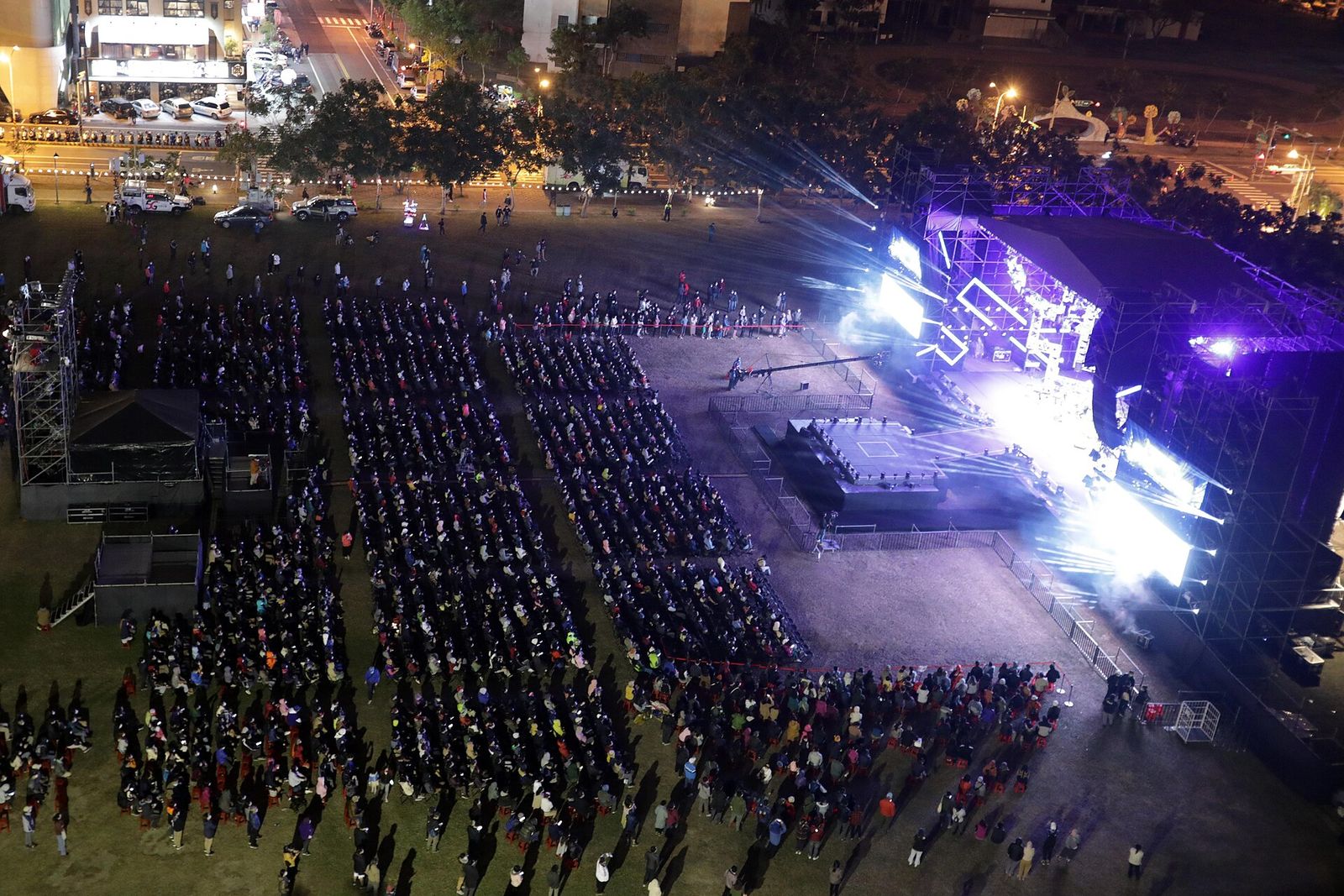
A useful habit is to map the festival's official transport page before booking anywhere to sleep, since the shuttle stops, last-train times and campsite gates listed there often determine which neighborhood or nearby town actually makes sense, more than distance on a map would suggest.
It is also worth building slack into the days immediately after a festival ends. Trains out of Castle Cary, shuttles from Naeba, and flights out of Brussels or Antwerp all see a surge of departures at once, and a festival crowd trying to leave a rural or semi-rural site on the same afternoon can turn a straightforward connection into a long wait.
Events & Experiences
Tickets, logistics, water and the practical reality of a week in the desert.
7 min read
Events & Experiences
Three very different carnivals, and what each asks of a visitor.
8 min read
Events & Experiences
Ballots, resale rules and booking a bed before the fixture list is published.
8 min read