Travel Tips
Common Travel Mistakes First-Time International Travelers Make
The avoidable errors that cost first-time travellers money, time and sleep.
By Thomas Bergeron · 21 March 2026 · 7 min read
Travel Tips
The avoidable errors that cost first-time travellers money, time and sleep.
By Thomas Bergeron · 21 March 2026 · 7 min read

The first international trip tends to go wrong in small, avoidable ways rather than dramatic ones. Nobody misses a flight because of a hurricane; they miss it because they underestimated the security queue at Heathrow on a Friday morning. This guide works through the recurring mistakes first-time travelers make, grouped by the stage of the trip where they usually bite, from the passport drawer at home to the metro turnstile on arrival.
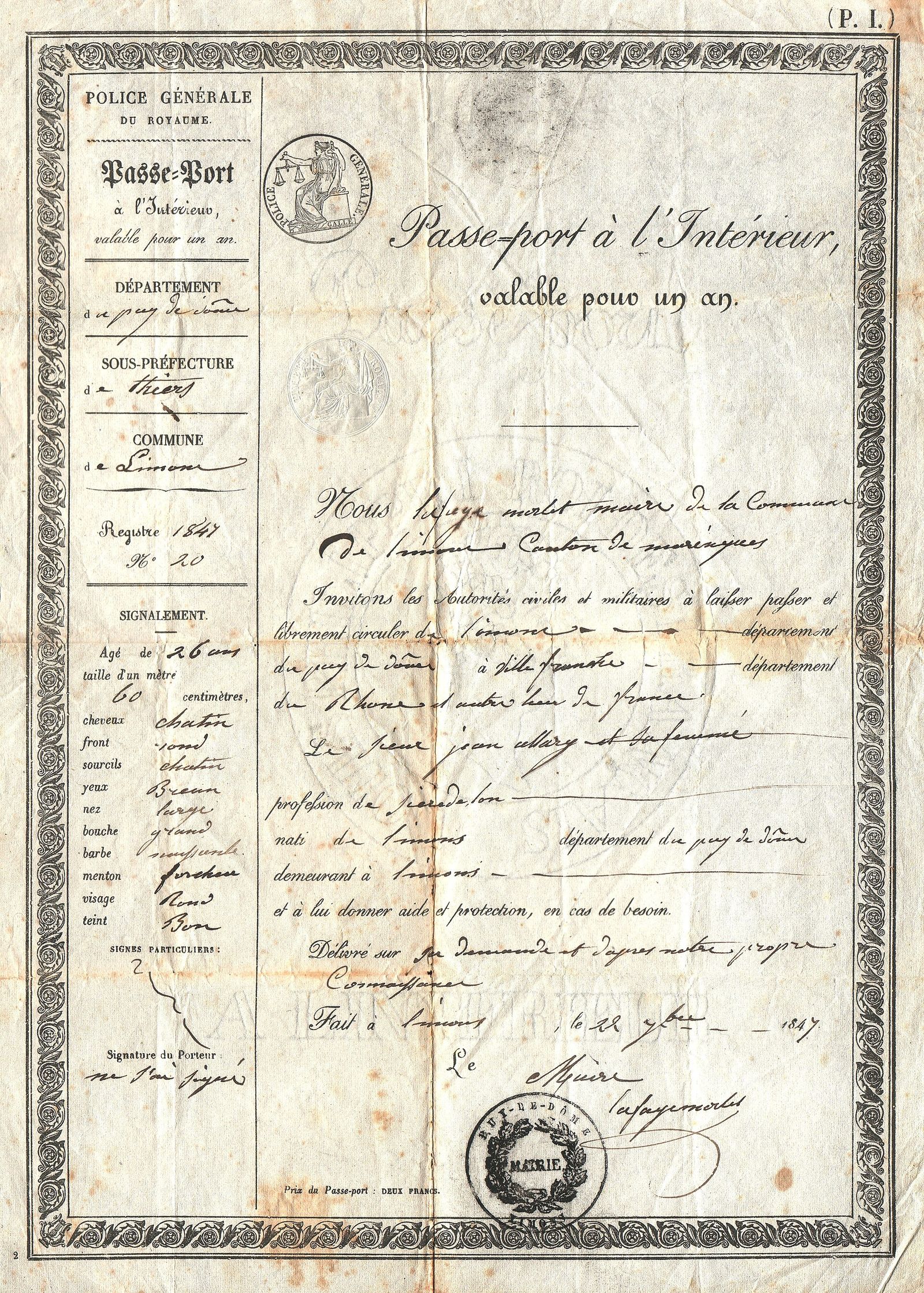
A surprising number of trips unravel at check-in over a passport with three months of validity left. Many countries, and by extension the airlines flying into them, apply a rule requiring at least six months of validity beyond the planned entry date, sometimes with an additional buffer. It is not universal, but it is common enough that assuming otherwise is a bad bet. Renewing a passport can take weeks, longer during peak season, so this is the first thing to check, well before booking anything.
The second document mistake is assuming a destination is visa-free because a friend went there once. Rules change, and electronic travel authorisations such as the ones now required for entry into the UK or planned for parts of Europe are easy to miss because they feel like a formality rather than a visa. Read travel documents, visas and passport requirements explained before booking flights, not after, and confirm current requirements directly with the destination's official immigration site rather than a forum post from two years ago.
First-time international travelers often plan airport arrival around domestic habits, showing up ninety minutes early because that is what worked for a short-haul flight last year. International check-in desks frequently close 60 minutes before departure, sometimes more for flights requiring visa or document checks at the counter, and boarding itself can start closing 20 to 30 minutes ahead of departure. At a hub like London Heathrow, Paris Charles de Gaulle, or New York JFK, security queues can run past 45 minutes at peak times, and immigration on arrival can add another chunk if the flight lands alongside several wide-bodies from Asia or the Gulf.
The safer habit is to work backwards from the boarding gate closing time rather than the departure time printed on the ticket, and to add a buffer for an unfamiliar terminal. If the itinerary includes a connection, treat the layover as the tightest part of the whole trip, not an afterthought; see the section below on self-transfer risk.
Low-cost carriers in Europe and Asia, and increasingly some full-service airlines on basic fares, price a checked bag and even a full-size cabin bag as separate purchases. A traveler who books the cheapest fare and assumes a normal-looking rolling suitcase counts as a free personal item can be charged a gate fee that is considerably higher than the advance online price, sometimes on the spot in cash or by card at the boarding gate. The sizing gauges at these airlines are also less forgiving than they look; a bag that fits on a legacy carrier can be turned away on a budget one. Check the exact cabin bag dimensions and weight allowance for the specific fare booked, not the airline's general policy page, since basic fares often carry a smaller allowance than the airline's standard cabin bag.
Booking two separate one-way tickets to build a connection, rather than a single itinerary through one airline or alliance, saves money often enough that it is tempting on a first trip. The catch is that self-transfer connections are not protected: if the first flight is delayed and the second departs without you, there is no rebooking obligation and no guarantee on lost bags moving between flights. This is especially relevant at large hub airports where a delayed inbound flight and a security recheck between terminals can eat a two-hour buffer quickly. Read how airline fares actually work and airport connections before assembling a trip this way, and if the layover is under two hours, or the airport is known for slow immigration lines, book a single ticketed itinerary instead.
Travelers arriving from countries with near-universal card acceptance are regularly caught out in Japan and Germany, where cash habits remain strong even in cities. Plenty of small restaurants, market stalls, and some regional trains in Japan still expect cash, and a portion of German cafes, bakeries and smaller shops post signs reading cash only or accept only domestic debit schemes rather than international credit cards. Landing without local currency and assuming an ATM at the airport will solve everything works most of the time, but not always outside major hubs. Carry a modest amount of local cash on arrival and read money abroad for a fuller picture of card fees, ATM networks and what to tell your bank before departure.
A related mistake is traveling with a single payment method. A card can be blocked by a fraud algorithm the moment it is used abroad, particularly on the first international purchase, or simply fail at a foreign terminal for no obvious reason. Carrying two independent cards from different networks or banks, plus a small cash reserve, is not overcautious; it is standard practice.
Landing without a data plan turns the first hour in an unfamiliar city, the exact moment you need maps, transit apps and a hotel address, into the hour you are least equipped to handle it. An eSIM bought in advance, a physical SIM from an airport kiosk, or simply confirming with a home carrier what an international roaming pack costs are all reasonable options; the mistake is not deciding until you are standing at arrivals with no signal. See staying connected abroad for the tradeoffs.
Skipping travel insurance is the other common first-timer's gamble, usually justified by the logic that nothing has gone wrong before. Medical costs abroad, particularly in the United States, can be severe, and even a modest policy covering medical treatment, trip interruption and baggage delay is inexpensive relative to the exposure it removes. Read before you go for a checklist that treats insurance as a default rather than an optional extra.
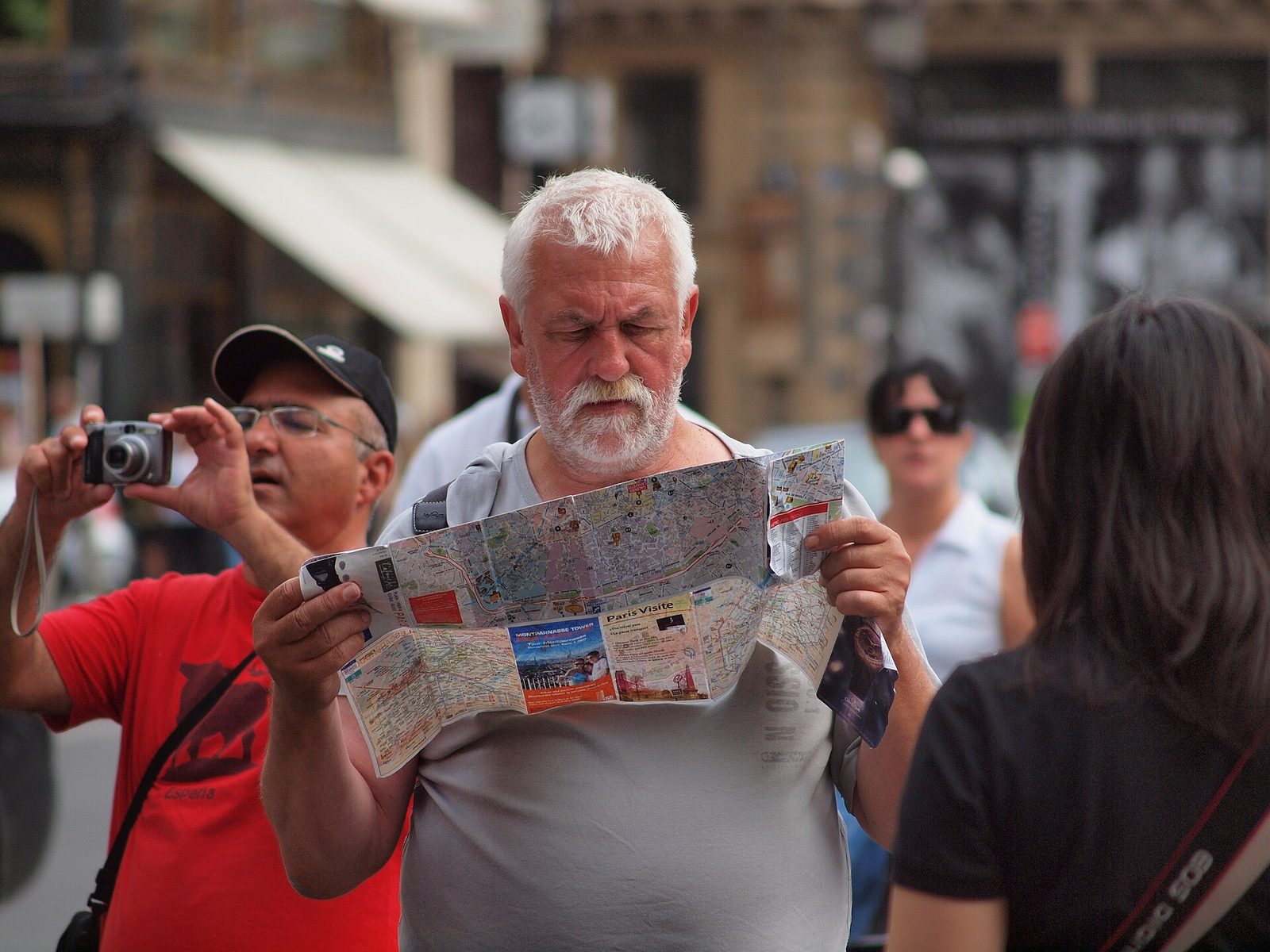
Booking a hotel purely on nightly rate, without checking its distance from the airport, train station or the neighborhoods actually worth visiting, is a mistake that compounds every single day of the trip through taxi fares and lost time. Cross-reference the address against a transit map before booking, and read how to choose the right neighborhood in a new city rather than relying on a booking site's star rating alone.
Overplanning the first day is another near-universal habit. A traveler landing after an eight to eleven hour flight, several time zones removed from home, plans a packed sightseeing itinerary starting a few hours after touchdown, then spends it fighting jet lag instead of enjoying it. Building a deliberately light first day, with one anchor activity and a lot of slack, tends to pay off across the rest of the trip. The same overplanning shows up in daily itineraries generally; how to plan a trip without overpacking the schedule covers this in more depth.
Local transport systems each have their own logic, and first-time visitors often waste the first day or two figuring it out the hard way. Tokyo runs largely on rechargeable IC cards such as Suica or Pasmo, which work across trains, buses and convenience stores and are far simpler than buying single tickets each ride. London's Underground and buses accept contactless bank cards directly, which is usually cheaper and easier than an Oyster card for a short visit. Lisbon uses the Viva Viagem card, a small reloadable card required for trams, metro and the funiculars, sold at station machines. None of these systems are hard to use, but they are worth ten minutes of research before landing rather than a confused first ride.
Local rules and etiquette catch out travelers who assume that behavior acceptable at home translates everywhere. Tipping conventions vary sharply between the United States and much of Europe or Japan, where tipping can be unnecessary or even mildly awkward. Dress codes at religious sites, quiet carriages on certain train lines, and jaywalking laws that are enforced rather than ignored are all small frictions that a bit of reading resolves in advance. A short list of dos and don'ts for the specific destination, checked against a reliable source rather than assumed from a different country's habits, avoids most of this friction entirely.
None of these mistakes are exotic and none require expert-level planning to avoid. They mostly require treating the boring administrative parts of a trip, passport dates, cutoff times, cabin bag dimensions, connection protection, local payment habits, with the same seriousness as choosing where to eat. The itinerary is the fun part; the logistics are what let you actually enjoy it.

Travel Tips
A budget that survives contact with the trip: daily rates, fixed costs and a buffer.
8 min read
Travel Tips
One anchor per day, and why the gaps end up being the memorable part.
10 min read

Travel Tips
Cancellations, missed connections and the order in which to make phone calls.
10 min read