How To Get There
Airport Connections: How Much Time Do You Really Need?
Minimum connection times, terminal changes and the difference a single ticket makes.
By Aisha Nakamura · 10 May 2026 · 7 min read
How To Get There
Minimum connection times, terminal changes and the difference a single ticket makes.
By Aisha Nakamura · 10 May 2026 · 7 min read
The airline's own connection time calculator will happily sell you a fifty-minute layover between two international flights at a large hub, and technically it might work. Whether it actually works depends on a long list of things the calculator does not know: which terminal each flight uses, whether you need to clear immigration and recheck a bag, whether your two flights are on the same ticket, and how the specific airport in question tends to run on an ordinary Tuesday. Minimum connection times are a legal floor, not a comfort recommendation, and the gap between the two is where most missed connections happen.
Connecting between two domestic flights at the same airport is usually the least risky scenario, since there is no border to cross and often no need to leave airside at all. The main variables are the size of the airport and whether the two flights use the same terminal. At somewhere compact, a fifty to sixty minute connection is often genuinely fine. At a sprawling hub, the terminal walk alone can eat most of that. Atlanta Hartsfield-Jackson is the textbook case: it is arranged as a long line of concourses, and the underground plane train (officially the ATL SkyTrain within the terminal, distinct from the airport's external transit) makes movement between them fast, but during busy periods the platforms themselves get crowded enough that boarding the next train can take a few minutes longer than expected. Treat any domestic connection at a major hub as needing at least an hour, more if you also have checked bags and the outbound flight has a history of running late.
Flying domestically into a hub before heading onward internationally adds a layer that many travelers underestimate: your bag may need to be rechecked, your documents checked earlier than you expect, and international departure areas are often physically separated from the domestic concourse. At a US hub like Chicago O'Hare or Dallas Fort Worth, an international flight will usually depart from a specific international terminal that requires a transfer by train or shuttle from the domestic side, and check-in style document verification for that leg can add real time even if the flight is on the same ticket as your inbound domestic segment. Budget at least ninety minutes for this pattern, more if it is your first time at that particular airport and you do not know the terminal layout.
This is the scenario that catches people out most often, because it is not just about walking to another gate. Arriving internationally means clearing immigration first, which can take anywhere from a few minutes to well over an hour depending on the airport, the time of day and how many international flights landed around the same time as yours. After immigration you collect your checked bag, even if your final destination is somewhere else entirely, walk it through customs, and then recheck it for the domestic leg, sometimes at a separate bag drop counter that is easy to miss in an unfamiliar terminal. Only after that do you go through a domestic security checkpoint again before reaching the gate.
Some countries build a shortcut for exactly this. Canada operates US border preclearance at Toronto Pearson, meaning US-bound passengers clear American immigration and customs before boarding in Toronto, then land in the US as if arriving domestically, skipping the queue on the other end entirely. Where preclearance exists, it genuinely changes the calculus and can make a connection feel more like a domestic one. Where it does not, and it does not at most airports, expect the full sequence and give yourself two to three hours if you are connecting internationally to domestically at a busy airport, more at somewhere like Frankfurt, where passport queues can be long even for arriving flights, particularly outside the European Union's own immigration lanes.

None of the timing advice above matters as much as this single distinction. If both flights are on one ticket, whether booked directly with one airline or through a travel agent combining partners on a single record, the airline is contractually responsible for getting you to your final destination. Miss a connection because your inbound flight was delayed, and the airline will typically rebook you on the next available flight, sometimes with a hotel voucher if the delay is overnight and within their control. Baggage is checked through to the final destination and the airline handles moving it, so you do not need to collect it at the connecting airport unless you are also changing from international to domestic, where customs requires you to physically present it regardless of ticketing.
Book two separate tickets, even on the exact same two flights with the exact same airline, and none of that protection exists. If the first flight is delayed and you miss the second, you have simply missed a flight you booked, and the second airline is under no obligation to do anything for you. Some travelers accept this trade-off deliberately because separate tickets are often cheaper or the only way to combine two airlines that do not otherwise interline, but it should be a conscious decision made with a wide buffer, not an accident discovered at the connecting airport. This is discussed from the booking side in how airline fares actually work and from the itinerary-building side in how to plan a multi-city international trip.
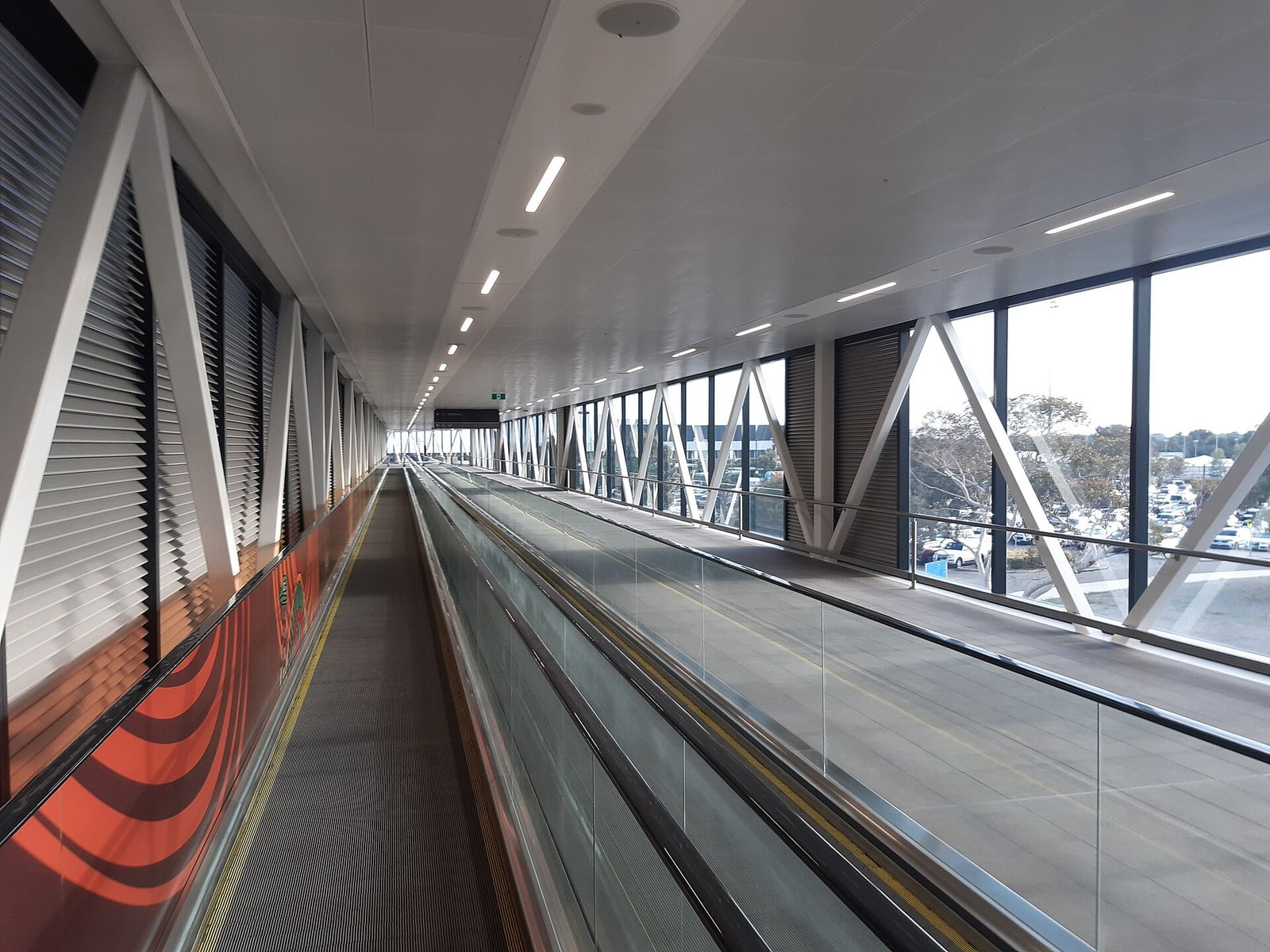
Not every terminal change is equal, and the difference between an airside transfer and a landside one is worth understanding before you book a tight connection. An airside transfer keeps you within the secure zone the entire time, often via an internal train or walkway, with no need to pass through security or immigration again. A landside transfer means exiting the secure zone entirely, sometimes even leaving the terminal building, and going back through security to get to the next flight, which adds significant time and unpredictability.
London Heathrow is a well known example of this getting complicated: a connection from Terminal 2 to Terminal 5, used by different airline alliances, is not a quick walk, and depending on the specific flights involved it can require a bus transfer between terminals that easily takes twenty to thirty minutes on its own, before you even reach the gate area. Paris Charles de Gaulle has its own version of the problem within a single terminal: Terminal 2 is split into several lettered halls (2A, 2C, 2E and so on) that are not all connected airside, so a change between some of them means going back through a security check even though you never left 'Terminal 2' as a label. By contrast, Amsterdam Schiphol is built around a single, unified terminal with all piers connected airside behind one security check, which is part of why it has a reputation as an easy hub to connect through even on tight timings.
Every airport publishes a minimum connection time (often abbreviated MCT) for various combinations of arriving and departing flights, and airline booking systems will not sell you a connection shorter than that published minimum. It is a genuinely useful number as a baseline, but it is calculated for a passenger who moves briskly, has hand luggage only or bags that connect automatically, and does not run into an unusually long immigration queue. It also tends not to account for the arriving flight actually being late, which is, in practice, the single most common reason a technically legal connection turns into a missed one. Treat the published minimum as the absolute floor you would only accept with hand luggage only and a very reliable inbound flight, not as a target to plan around.
On a single ticket, the process is usually straightforward, if not always fast: report to the airline's transfer desk or a gate agent as soon as you know you will miss the connection, and they will rebook you on the next available flight to your destination, on their own airline or a partner, generally at no extra cost. If the misconnection was caused by the airline's own delay and it results in an overnight stay, many carriers will also provide a hotel and meal voucher, though policies vary by airline and by country's consumer protection rules, and it is worth knowing your rights, particularly within the EU, where delay and cancellation compensation rules are unusually traveler friendly and covered in more general terms in before you go.
On separate tickets, there is no such safety net, and the practical response is different: you will need to book a new flight yourself, at whatever fare is available, and any claim for the cost has to go through travel insurance rather than the airline. This is exactly why the buffer you build around a self-connected itinerary, particularly one crossing an international border or changing terminals at a large hub, should be generous enough that a routine delay does not turn into an unplanned new ticket purchase. A little extra time in an airport lounge or terminal cafe is a far better outcome than the alternative, and it is one of the few places in travel planning where being conservative rarely costs you much.
How To Get There
Fare buckets, booking windows and the small print that decides what you pay.
9 min read

How To Get There
The continent's most useful rail corridors, and where a train genuinely beats a flight.
8 min read
How To Get There
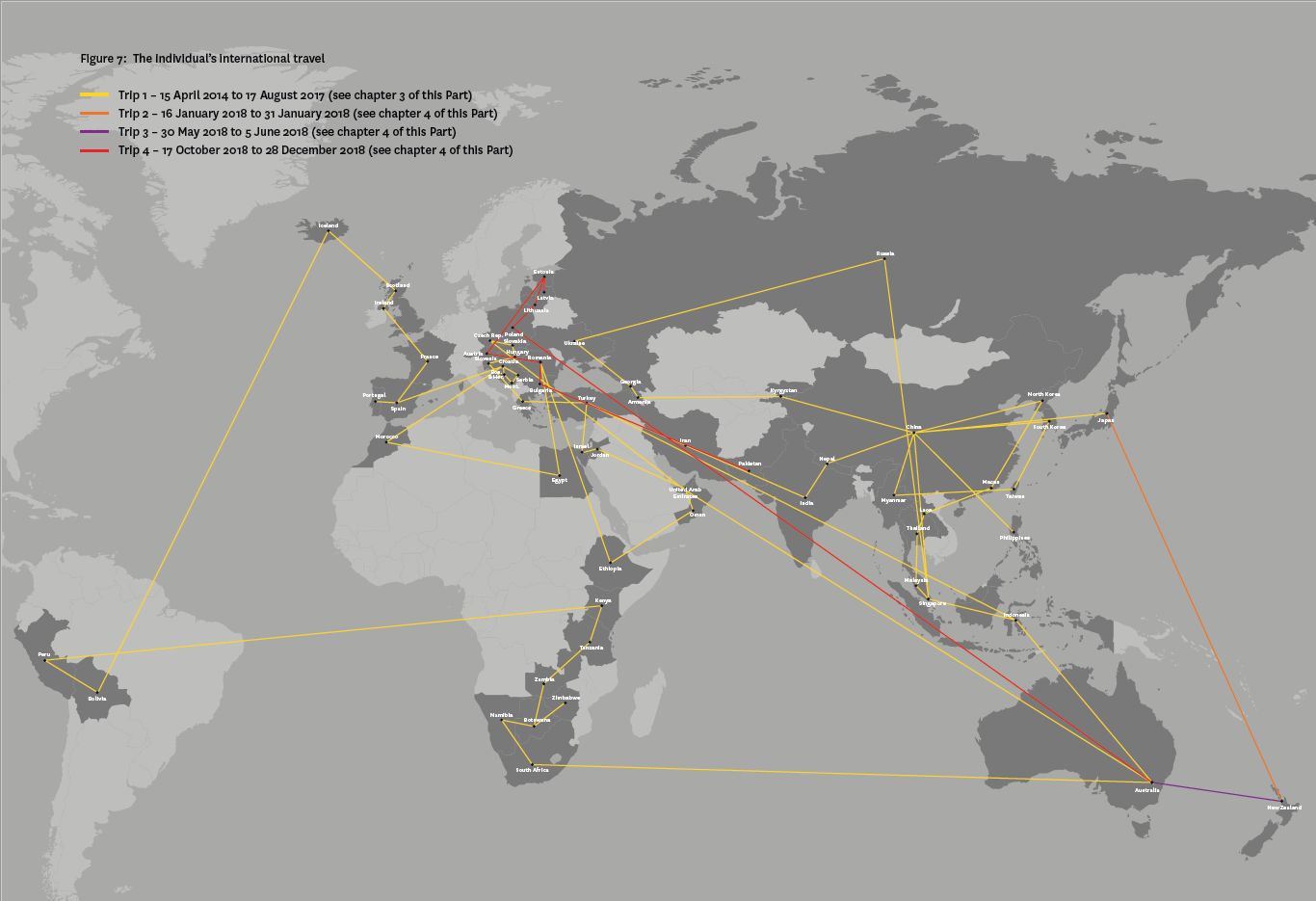
Open-jaw tickets, sensible sequencing and how many cities is too many.
9 min read