Before You Go
Before You Go: The Essential International Travel Checklist
A four-week countdown covering documents, health, money and the house you leave behind.
By Elena Marchetti · 26 May 2026 · 7 min read
Before You Go
A four-week countdown covering documents, health, money and the house you leave behind.
By Elena Marchetti · 26 May 2026 · 7 min read

The best international trips are usually the ones where the boring administrative work happened early and quietly, leaving the final week free for the things that are actually enjoyable: packing, checking the weather, and looking forward to the flight. This checklist is organised as a countdown, three months out, one month out, one week out, the day before, and the morning of, because different tasks genuinely belong at different points on the calendar, and doing them out of order is where most last-minute panic comes from.
Passport validity is the first thing to check, and it should happen the moment a trip is even loosely confirmed. Many countries require six months of validity remaining beyond your travel dates, a rule that catches out travellers whose passport looks perfectly valid on the departure date but fails the airline's check-in system or a border officer's rule of thumb. Renewal can take anywhere from a couple of weeks to well over two months depending on the issuing country and the time of year, so three months out is the safe point to check the expiry date and start a renewal if needed rather than discovering the problem at check-in.
This is also the point to research visa and electronic travel authorisation requirements properly, because they vary enormously by nationality and destination and change more often than people expect. A UK passport holder travelling within the Schengen area faces different rules from a UK passport holder heading to the United States or Australia, and electronic travel authorisation schemes, including the UK's own system for inbound visitors, have specific validity windows and application lead times that should be verified directly on the relevant government's official website rather than assumed from a previous trip. See travel documents, visas and passport requirements explained for how to structure this research.
With documents underway, this is also the natural moment to book flights and pick seats, since fare classes and seat maps both tend to be more flexible the earlier you commit, and to confirm the shape of your accommodation, particularly for anything with limited inventory such as a specific Tokyo ryokan or a small guesthouse during a festival period. If your route touches more than one city, cross-check the sequencing against how to plan a multi-city international trip before locking anything in.
Travel insurance should be bought well before departure, not at the airport, because most policies exclude anything that could be considered a pre-existing condition if the policy was taken out after symptoms or a diagnosis were already known. If you or anyone travelling with you has an existing medical condition, read the policy wording carefully, since standard policies frequently require a separate declaration and sometimes an additional premium for conditions like asthma, diabetes or a recent surgery, and a claim can be refused entirely if this step was skipped. Confirm the policy explicitly covers medical evacuation, not just outpatient treatment, particularly for trips involving hiking, diving or remote regions.
On money, carry at least two working cards from different providers or account types, ideally one you keep separate from your main wallet, since a lost or blocked card abroad is a common and entirely avoidable source of stress. Notify your bank of travel dates if it still requires this, check foreign transaction fees, and read money abroad for a fuller comparison of cards, cash and local withdrawal habits by region.
Anyone on prescription medication should start arranging supplies a month out, not a week out, particularly for controlled substances that some countries restrict or require documentation for. Keep medication in its original packaging with the pharmacy label intact, and carry a doctor's letter describing the medication, dosage and medical reason for travellers heading somewhere that could plausibly question it, which is a near-universal recommendation for countries with stricter narcotics laws. It is worth checking the destination country's official embassy guidance on this specifically, since rules vary widely and change without much notice.
Buy mobile data or an eSIM before departure rather than on arrival. Airport SIM counters and arrival-hall kiosks are almost always more expensive than pre-purchasing an eSIM online, and having data active from the moment you land makes navigating an unfamiliar airport, ordering a ride and confirming a hotel address considerably less stressful. For destinations with well-established local systems, such as Japan's IC card network (Suica or Pasmo, now largely usable via phone wallets as well as physical cards), it is worth understanding the local transport payment habit before you land, alongside how Japan's tax-free purchase system works for visitors, both covered in more detail in staying connected abroad and Japan for first-time visitors.
This is the week to gather emergency contacts and the nearest embassy or consulate details for your destination, and to make both digital and paper copies of your passport, visa, insurance policy and key bookings, stored separately from the originals, for example a photo saved to a private cloud folder plus a printed copy left with a trusted contact at home. It sounds excessive until the one time a bag goes missing.
Also check the destination's weather and season properly rather than relying on general assumptions; a city can have wildly different conditions in different months, and this affects everything from packing to whether certain regions are reachable at all. If part of the trip involves a national park, coastline or mountain route, cross-reference seasonal access notes in guides like national parks worth building a trip around or scenic coastlines and islands for a slower journey.
Confirm your airport transfer or book one if you have not already, and check current guidance on arrival timing for your specific airport and route. Immigration queues at large US ports of entry such as JFK or MIA can run well beyond an hour at peak times, particularly for international arrivals in the late afternoon, and CBP's own guidance is worth checking for wait-time expectations before assuming a tight connection will work. Airlines' standard advice of arriving two to three hours before an international departure is a floor, not a target, on a busy travel day.
At home, put mail on hold or ask a neighbour to collect it, water or relocate plants, adjust heating to a sensible away setting rather than switching it off entirely in cold climates, and leave a full itinerary, including flight numbers and accommodation addresses, with a trusted contact who is not travelling with you. This single step solves most worst-case scenarios far more effectively than any app or document copy.
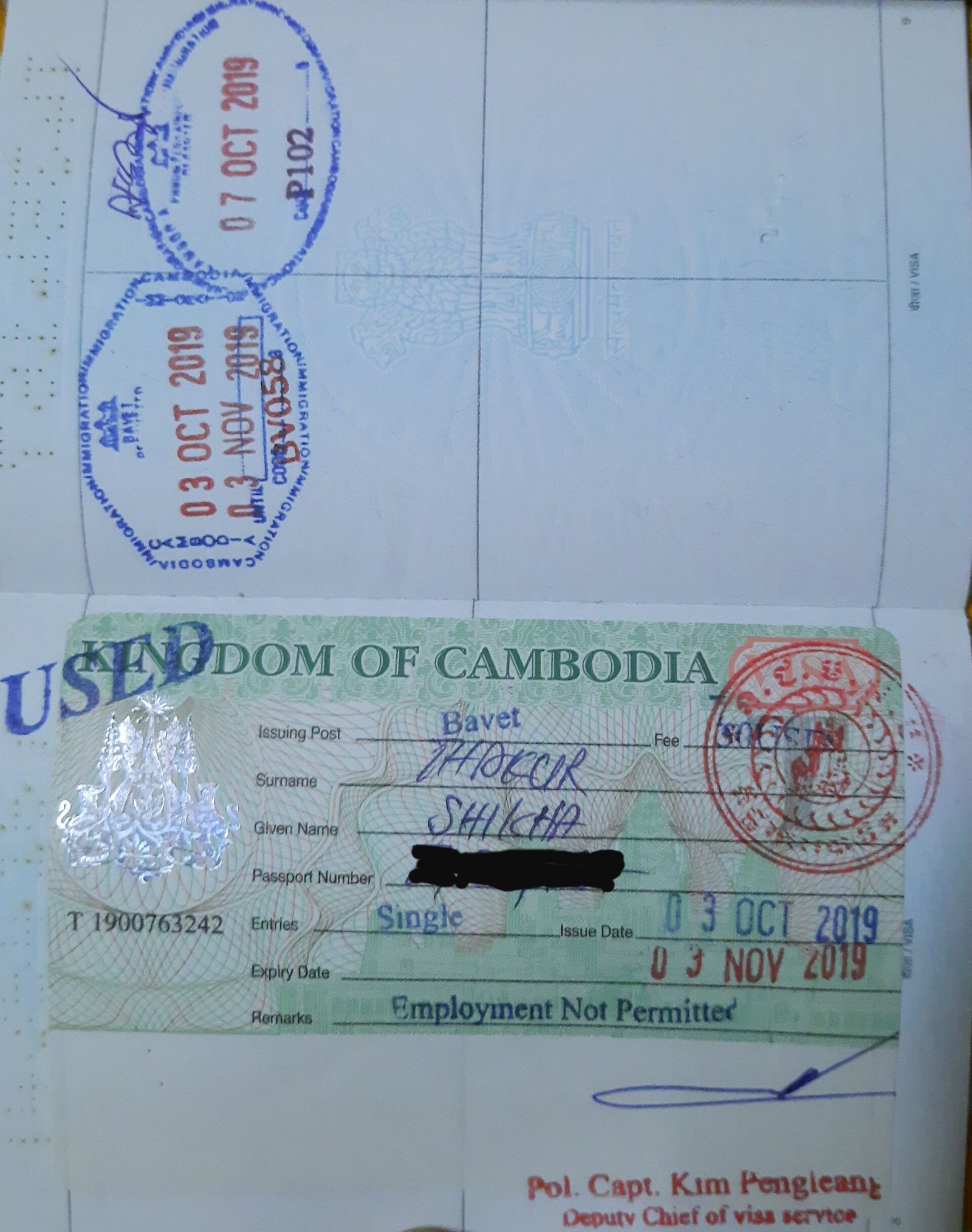
Do a final document check: passport, boarding pass or check-in confirmation, visa or travel authorisation printout if required, insurance details, and the first night's accommodation address. Check your flight status directly with the airline rather than relying on a screenshot taken days earlier, since gate and terminal changes happen without much warning at larger airports. If you are entering the Schengen area, be aware that entry stamps are the primary record of your permitted stay under the 90-in-180-day rule, so it is worth glancing at your passport before leaving immigration to confirm the stamp was actually applied, since an unstamped entry can cause complications on exit.
Leave a little more time than feels necessary for security and immigration, particularly at airports you have not used before, and treat the walk from check-in to gate as part of the timing buffer rather than an afterthought. A trip that starts calmly tends to stay calm, and almost everything in the earlier stages of this checklist exists purely to make that first morning as uneventful as possible.
If your itinerary changes after all this planning, whether through a cancelled flight, a closed border crossing or a simple change of mind, what to do when your travel plans change covers how to adapt without unravelling the rest of the trip.
Before You Go
Validity rules, entry stamps, transit visas and the six-month question.
9 min read
Before You Go
Which card to carry, when cash still wins and how to refuse a bad conversion.
8 min read

Before You Go
Roaming, local SIMs and eSIMs compared, plus what to set up before you fly.
8 min read