Before You Go
Money Abroad: Cards, Cash, ATMs And Exchange Rates
Which card to carry, when cash still wins and how to refuse a bad conversion.
By Aisha Nakamura · 1 June 2026 · 8 min read
Before You Go
Which card to carry, when cash still wins and how to refuse a bad conversion.
By Aisha Nakamura · 1 June 2026 · 8 min read
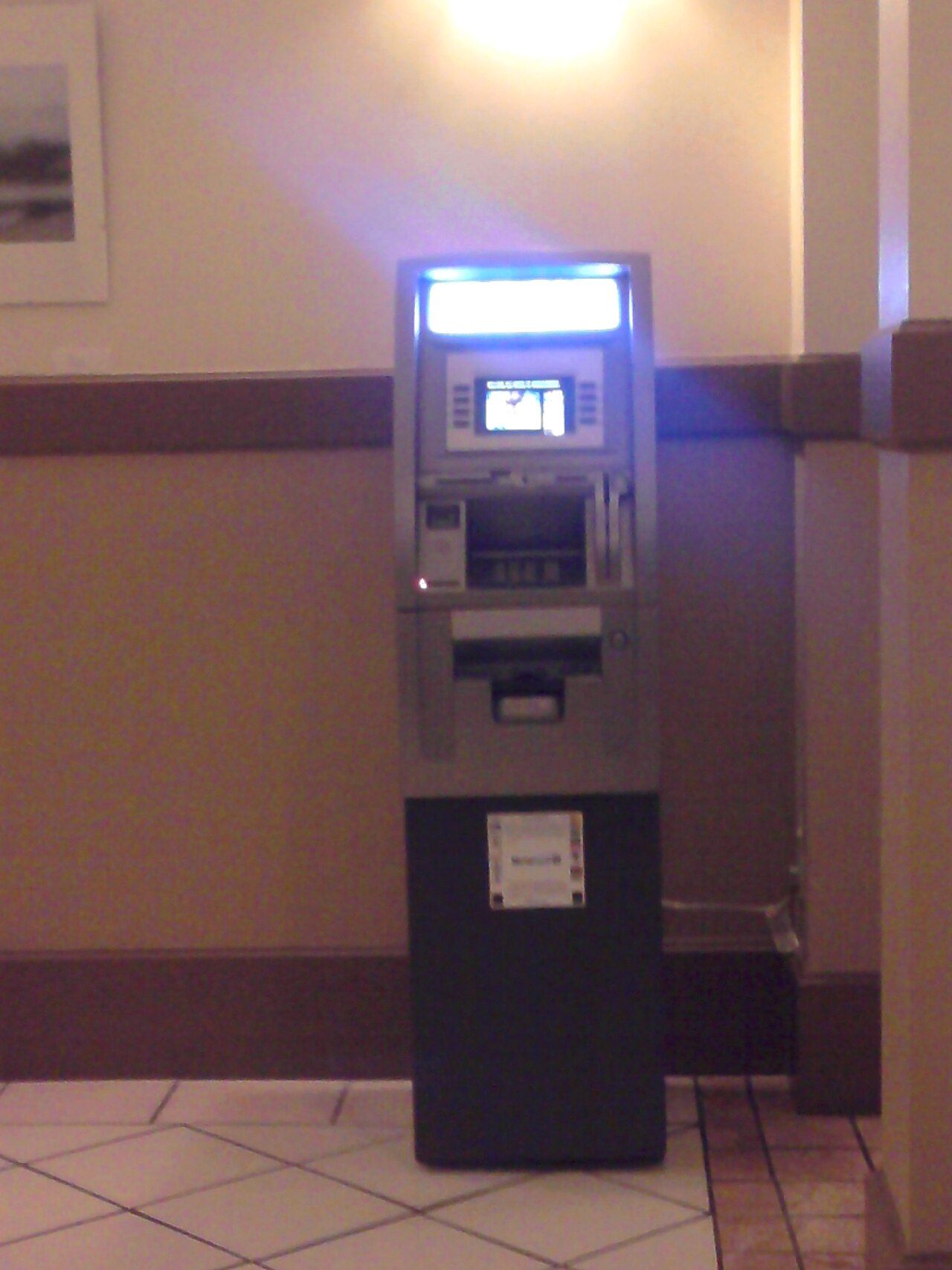
Money abroad usually goes wrong in small ways rather than dramatic ones: a card declined at a self-service ATM in a train station, a bad exchange rate accepted without noticing, a wallet full of a currency nobody will take once you cross a border. None of this requires a complicated system to avoid. It requires carrying the right combination of cards and cash, understanding a handful of fee mechanics that banks do not advertise clearly, and knowing which of these habits matters more in Kyoto than it does in Berlin.
A credit card and a debit card serve different purposes abroad, and carrying both, ideally on different payment networks such as one Visa and one Mastercard, protects against the two most common failure modes: a single card being frozen by a fraud algorithm that flags foreign spending, and a single network having an outage or being poorly accepted in a specific country. Credit cards generally offer better fraud protection and dispute rights, and many carry purchase protection or travel insurance benefits worth checking before a trip. Debit cards are what you use to withdraw cash from ATMs, since credit card cash advances usually carry a separate fee and start accruing interest immediately with no grace period. Carrying a card from a second, different bank as a backup is worth the minor hassle, since a lost or blocked card at the start of a trip is a much bigger problem than an extra piece of plastic in your wallet.
Most of the world now runs on chip-and-PIN rather than the magnetic-stripe-and-signature system that lingered in parts of North America, and knowing your card's PIN, not just its number, matters more abroad than it does at home, since some unattended machines, automated toll booths and self-service fuel pumps will not accept a signature fallback at all. Contactless tap-to-pay has become close to universal for small transactions across much of western Europe and East Asia, and mobile wallets such as Apple Pay or Google Pay work at most of the same terminals, with the added benefit of not exposing your physical card number to a compromised reader. It is still worth carrying the physical card as a backup, since not every merchant, particularly smaller or older establishments, has upgraded its terminal.
Where you withdraw cash matters as much as how much. ATMs physically attached to a bank branch are generally more reliable and less likely to have been tampered with than standalone machines in tourist zones, airports and nightlife districts, which are disproportionately where card skimming devices turn up. Withdrawing larger amounts less often reduces the number of foreign transaction fees, which are often charged as a flat fee per withdrawal rather than a percentage, making frequent small withdrawals the more expensive habit. When a machine offers to convert the withdrawal into your home currency on the spot, a service usually called dynamic currency conversion, decline it and choose to be charged in the local currency instead; the machine's own conversion rate is reliably worse than what your card network will apply.
Foreign transaction fees, usually a percentage added to every purchase or withdrawal made in a currency other than your card's home currency, vary enormously between banks and even between different card products at the same bank, and no fixed number applies universally, so checking your own card's terms and conditions before a trip, rather than relying on what a friend's bank charges, is the only reliable way to know your real cost. A number of travel-oriented credit cards waive this fee entirely, which can make a meaningful difference on a trip involving significant spending. This is also worth checking alongside the practical basics covered in how to build a realistic travel budget, since a few percentage points on every purchase adds up over a two-week trip.
The same conversion trick that shows up at ATMs also appears at card terminals in shops, restaurants and hotels, where a cashier or the machine itself will ask whether you want to pay in your home currency or the local one. The prompt is often worded to sound like a convenience, but the exchange rate embedded in it is set by the merchant's payment processor and is consistently worse than the rate your card issuer would apply. The habit worth building is simple: always choose to pay in the local currency, every time the option appears, regardless of which country you are in.
The interbank rate, the rate banks use to trade currency with each other, is the number you see quoted by Google or a currency converter app, and it is not the rate any individual traveler actually gets. Currency exchange bureaus, especially the ones inside airport arrivals halls, typically build a wide margin into their rates and sometimes add a flat commission on top, making them consistently among the worst places to change money. A debit card withdrawal from an ATM, despite its own fees, usually lands closer to the interbank rate than a bureau exchange does. If you land somewhere late and need a small amount of local cash immediately, changing a modest sum to get through the first few hours, then using a card or ATM for the rest of the trip, is a reasonable compromise.
Carrying a small reserve of a major currency, commonly US dollars or euros, separate from your day-to-day spending money, is a habit worth keeping regardless of destination. It covers situations where cards fail, ATMs are out of service, or you land somewhere after hours with no working machine nearby. This is not about carrying large sums; a reserve equivalent to a single night's accommodation and a meal or two is usually enough to bridge a bad afternoon without solving problems you are unlikely to actually have.
Many banks now handle fraud detection through app-based transaction alerts rather than the older system of calling ahead with a travel notification, but it is still worth checking your specific bank's process before departure, since a foreign charge that looks unusual can trigger an automatic freeze regardless of whether you notified anyone. Banking apps increasingly let you freeze and unfreeze a card instantly, set spending limits per transaction, and see real-time notifications for every charge, which makes it easier to catch a fraudulent charge or an unexpected fee within minutes rather than after returning home to a statement. Setting these up before leaving, while you still have easy access to customer service and normal internet, is worth the ten minutes it takes.
Much of western Europe has moved close to cashless for everyday spending, and cards are widely accepted even for a single coffee in cities such as Amsterdam, Stockholm or Lisbon, though it remains sensible to carry some cash for markets, small tips or the rare machine that is down. Germany and Austria are a notable exception within the same region: cash remains genuinely common, and a fair number of bakeries, small shops and traditional Gaststatten still prefer or require it, so arriving in Munich or Vienna assuming a fully card-based trip can lead to an awkward moment over a bill. Japan runs its own version of this contradiction: the country is famous for advanced technology, yet many smaller restaurants, older shops and local izakaya remain cash-only, and the most reliably international-card-friendly ATMs are found inside convenience stores such as 7-Eleven and at post office branches, both of which are usually easier to rely on than a random street-corner bank machine. The United States sits apart mainly because of tipping norms, which push everyday cash needs higher than in many other countries, since servers, drivers and hotel staff are commonly tipped in cash even when the underlying bill is paid by card, a detail worth planning around specifically if you are used to a country where service charges are simply included, as covered in common travel mistakes first-time international travelers make. Cash-heavy destinations such as rural Greece, Morocco or Vietnam sit at the other end of the spectrum, where card acceptance thins out quickly once you leave a capital or a major tourist center, and carrying enough local cash to cover several days becomes the more practical default rather than the backup plan.

None of these habits require constant vigilance once they are set up before departure; most of the work is front-loaded into checking your card's terms, enabling app notifications, and packing a modest cash reserve. The rest is a matter of small, repeated decisions at ATMs and checkout counters, and those decisions get easier once you have made the local-currency choice consciously a few times. Pair this with a wider look at how to plan a trip without overpacking the schedule and the broader before you go checklist, since money logistics tend to work best when they are handled with the same advance planning as flights and accommodation, rather than left to be figured out at the first ATM you find.
Fee structures, ATM networks and even which banks operate in a given country change over time, and a bank that had a fee-free partnership with a particular international ATM network two years ago may not still have it. Check your card issuer's current terms and any partner-ATM list shortly before travel, rather than relying on older research, and keep your bank's international support number saved somewhere that does not depend on your phone working.
Before You Go
A four-week countdown covering documents, health, money and the house you leave behind.
7 min read
Before You Go
Validity rules, entry stamps, transit visas and the six-month question.
9 min read
Before You Go
Roaming, local SIMs and eSIMs compared, plus what to set up before you fly.
8 min read