Before You Go
Staying Connected Abroad: SIM Cards, eSIMs And Mobile Data
Roaming, local SIMs and eSIMs compared, plus what to set up before you fly.
By Daniel Okonjo · 2 June 2026 · 8 min read
Before You Go
Roaming, local SIMs and eSIMs compared, plus what to set up before you fly.
By Daniel Okonjo · 2 June 2026 · 8 min read
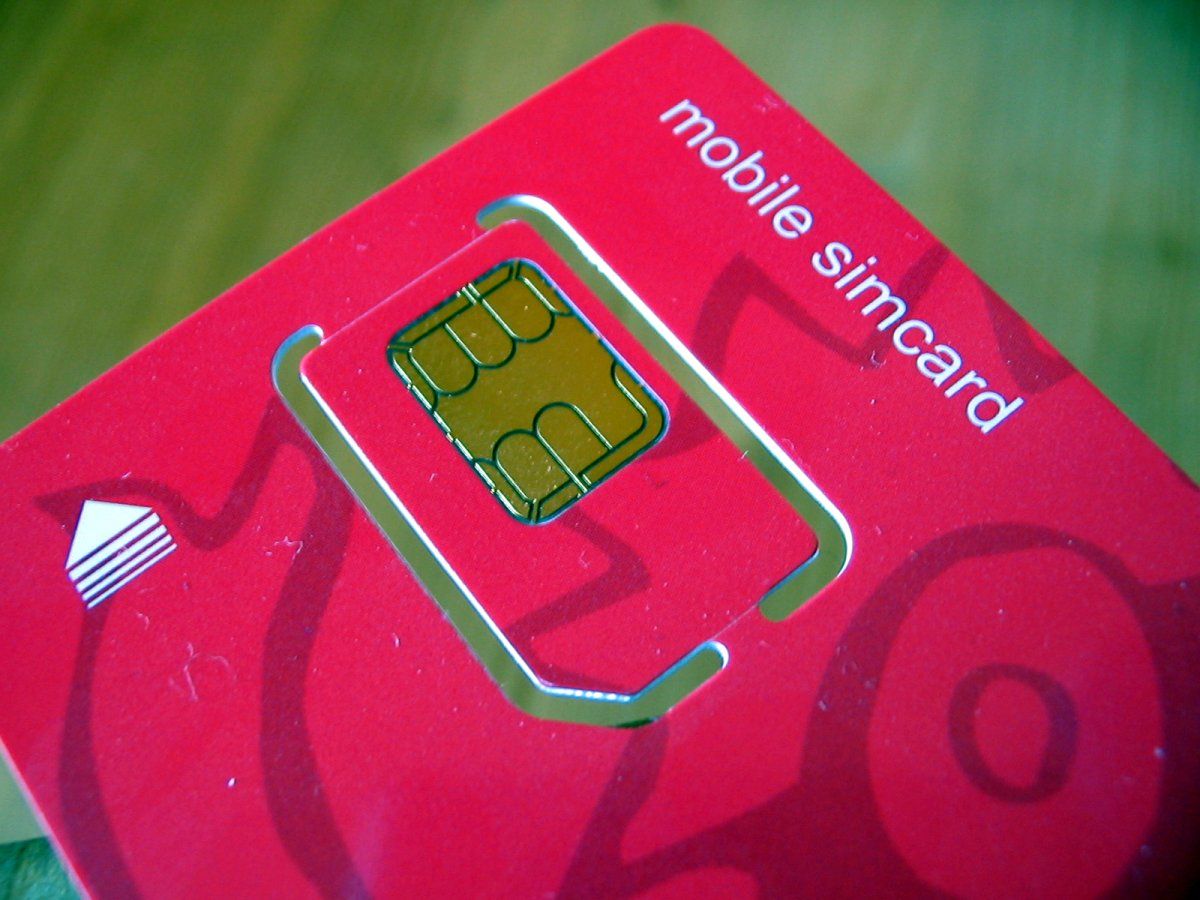
The question used to be simple: buy a SIM at the airport or pay your home carrier a small fortune for roaming. Now there are enough options, physical SIMs, eSIMs, regional roaming bundles, local prepaid plans, pocket Wi-Fi, that picking one feels like its own pre-trip chore. The right answer depends less on brand loyalty and more on how long you are traveling, how many borders you will cross, and whether anyone needs to reach you at a fixed local number.
A local SIM bought at an airport kiosk or a carrier shop in town remains the most reliable way to get a full-featured local number, useful if you need to call a taxi, confirm a restaurant reservation, or receive a delivery code by text. Coverage and price vary enormously by country. In much of Southeast Asia and Latin America, a tourist SIM with several gigabytes of data can run somewhere in the range of 5 to 20 USD equivalent for a week or two, though this shifts constantly and should be checked against current kiosk pricing on arrival.
The friction is registration. Many countries now require ID, sometimes a passport scan and a local address, sometimes biometric registration at the shop counter, before activating a prepaid SIM. This is a security and anti-fraud measure that has tightened in a number of markets over the past decade, so budget extra time at the counter rather than assuming a five-minute transaction. It is also worth asking whether the SIM supports tethering, since some prepaid tourist plans throttle or block hotspot use even when the headline data allowance looks generous.
An eSIM is a digital profile you install on your phone rather than a physical card you insert, and for a lot of trips it has become the more convenient choice. You buy it online before departure, scan a QR code or install it through an app, and it activates when you land, sometimes automatically, sometimes with a manual toggle. The obvious advantage is that you land already connected instead of hunting for a kiosk with a queue.
There are two real requirements. First, your handset needs to be both unlocked and eSIM-capable, which rules out older phones and some carrier-locked devices bought on installment plans. Second, most eSIM providers sell data-only or data-plus-messaging plans rather than full voice service, so you may not get a proper local phone number for calls. The workaround most travelers use is dual-profile operation: keep your home SIM or eSIM active for calls and text messages on your usual number, and run the destination eSIM as a secondary data profile. Phones that support dual SIM standby handle this without much fuss, letting your home number keep receiving messages while the second profile handles data. If you are also researching how to plan a multi-city international trip, sorting out connectivity for each leg is worth doing at the same time as the itinerary, since some regional eSIMs cover several countries on one plan and others do not.
Roaming through your existing carrier is the least effort and, for short trips, often not the worst value anymore. Many carriers now sell daily roaming passes, typically a flat fee per day of travel that unlocks your normal plan's calls, texts and data abroad, which can make sense for a four or five day trip where you would rather not deal with SIM logistics at all. Some postpaid plans in North America and Europe now bundle a set amount of international roaming into the base plan at no extra charge, particularly for travel within the European Union and European Economic Area, but the fine print, covered countries, speed caps, fair-use data limits, differs by carrier and by plan tier, so it is worth a call or a look at the account settings before departure rather than assuming coverage.
If you are settling somewhere for a month or more, a proper local prepaid plan, bought at a carrier's own retail shop rather than an airport kiosk, usually beats a short-term tourist SIM on price per gigabyte and often includes a real local number with voice minutes. This matters if you are renting an apartment, need to deal with a landlord or a local bank, or are working remotely for part of the stay. The tradeoff is more paperwork upfront, sometimes proof of address, and a plan structure built around monthly billing cycles rather than the fixed-duration tourist packages sold near arrivals halls.
For a trip built mostly around a single city, with hotel Wi-Fi, a rental apartment connection, and cafes to fall back on, some travelers skip mobile data entirely. This works better than it used to now that offline maps have matured, but it requires discipline: download the map area, transit routes and any reservation confirmations before you lose signal, not after. It falls apart quickly on trips involving trains between towns, rental cars, or anywhere you need live directions or a taxi app, so weigh it against your actual itinerary rather than habit.
A single-country week or two, especially somewhere with decent roaming agreements, often favors either a home-carrier day pass or a simple destination eSIM, since the setup cost of a physical SIM is not worth it for a short stay. A multi-country trip, say a rail loop through several capitals, tends to favor a regional eSIM or a roaming plan that covers the whole bloc, since swapping physical SIMs at every border gets tedious fast and risks losing your original number's ability to receive verification texts. Longer stays of a month or more generally justify the extra effort of a local prepaid plan. Tethering needs matter too: if you plan to work from a laptop while traveling, check the specific plan's hotspot allowance rather than assuming any data plan permits it freely.
Japan is a useful case study in how varied the SIM landscape can be. Tourist SIMs sold at Narita (NRT), Haneda (HND) and Kansai (KIX) airports are almost always data-only, fine for maps and messaging apps but not for making phone calls on a Japanese number. Voice-capable prepaid SIMs exist but are harder to find as a short-term visitor and often require more paperwork than the data-only versions. Pocket Wi-Fi rental, a small hotspot device picked up at the airport and returned before departure, remains popular precisely because it sidesteps the SIM question and lets a group share one connection, which is worth considering if you are traveling with family or splitting a rental car.
The European Union and the wider European Economic Area benefit from regional roam-like-at-home rules that, as of current policy, let many mobile plans registered in one member state work at domestic rates across the others, though the details and any fair-use caps depend on your specific plan and should be confirmed with your carrier. For a train travel across Europe itinerary crossing several borders, a single plan that already covers the bloc can be simpler than buying a new SIM at every stop, though non-EEA stops on the same trip, Switzerland or the United Kingdom for instance, may fall outside that coverage and need their own arrangement.
The United States presents a different problem: coverage from the large national carriers is generally strong in cities and along interstates but drops off noticeably in rural stretches and inside many national parks. Cell service inside Yellowstone or Big Bend can be patchy to nonexistent away from a handful of developed areas, which matters if you are relying on a phone for navigation on a national parks worth building a trip around road trip. Downloading offline maps and the park's own paper or PDF trail map before you leave cell range is a more dependable habit than assuming a signal will reappear.
Hotel and cafe Wi-Fi networks are convenient and mostly fine for casual browsing, but they are shared, sometimes poorly secured networks, and it is worth treating them accordingly rather than either avoiding them entirely or trusting them blindly. Captive portals, the login pages hotels and airports use before granting access, are a common phishing vector when spoofed, so it pays to be skeptical of any portal asking for more than a room number or a simple click-through. Sticking to HTTPS sites, visible as the padlock icon in the browser bar, protects the content of most everyday browsing even on an open network. Logging into banking apps or moving money on open public Wi-Fi is worth avoiding where a mobile data connection or a personal hotspot from your own phone is available instead, since a hotspot you control is a meaningfully safer environment for anything sensitive.
None of this is about picking a winner. A short list of providers, whether an airport kiosk brand, a well-known eSIM marketplace, or a household-name carrier's roaming pass, will work fine for most trips, and naming any one of them as a recommendation would age badly given how quickly plans, prices and coverage maps change. Reading the current terms for your specific plan, ideally within a week or two of departure rather than months in advance, is a better use of time than chasing a brand name.

Connectivity choices sit alongside the other pre-trip logistics covered in guides like before you go and travel documents, visas and passport requirements explained: none of it is complicated on its own, but leaving it until the airport tends to produce the worst outcomes, rushed kiosk purchases, incompatible eSIMs discovered only after landing, roaming charges nobody checked in advance. A few minutes spent matching the plan to the actual itinerary, before departure, usually pays for itself within the first day.

Before You Go
A four-week countdown covering documents, health, money and the house you leave behind.
7 min read
Before You Go
Validity rules, entry stamps, transit visas and the six-month question.
9 min read
Before You Go
Which card to carry, when cash still wins and how to refuse a bad conversion.
8 min read