What To See
Scenic Coastlines And Islands For A Slower Journey
Coastal routes best measured in ferry timetables rather than kilometres.
By Elena Marchetti · 14 June 2026 · 9 min read
What To See
Coastal routes best measured in ferry timetables rather than kilometres.
By Elena Marchetti · 14 June 2026 · 9 min read
Some coastlines are built for speed: a highway that clips past a viewpoint, a cruise ship that docks for six hours and leaves before dinner. The places in this roundup work against that instinct. They are shaped by ferry timetables, tidal roads and island-hopping schedules that will not be rushed, and the reward for accepting that pace is a kind of travel that feels closer to living somewhere for a week than passing through it. What follows is grouped by region, Mediterranean, Atlantic, Nordic and tropical, because the logistics and the mood change more with latitude than with any single itinerary tip could capture.
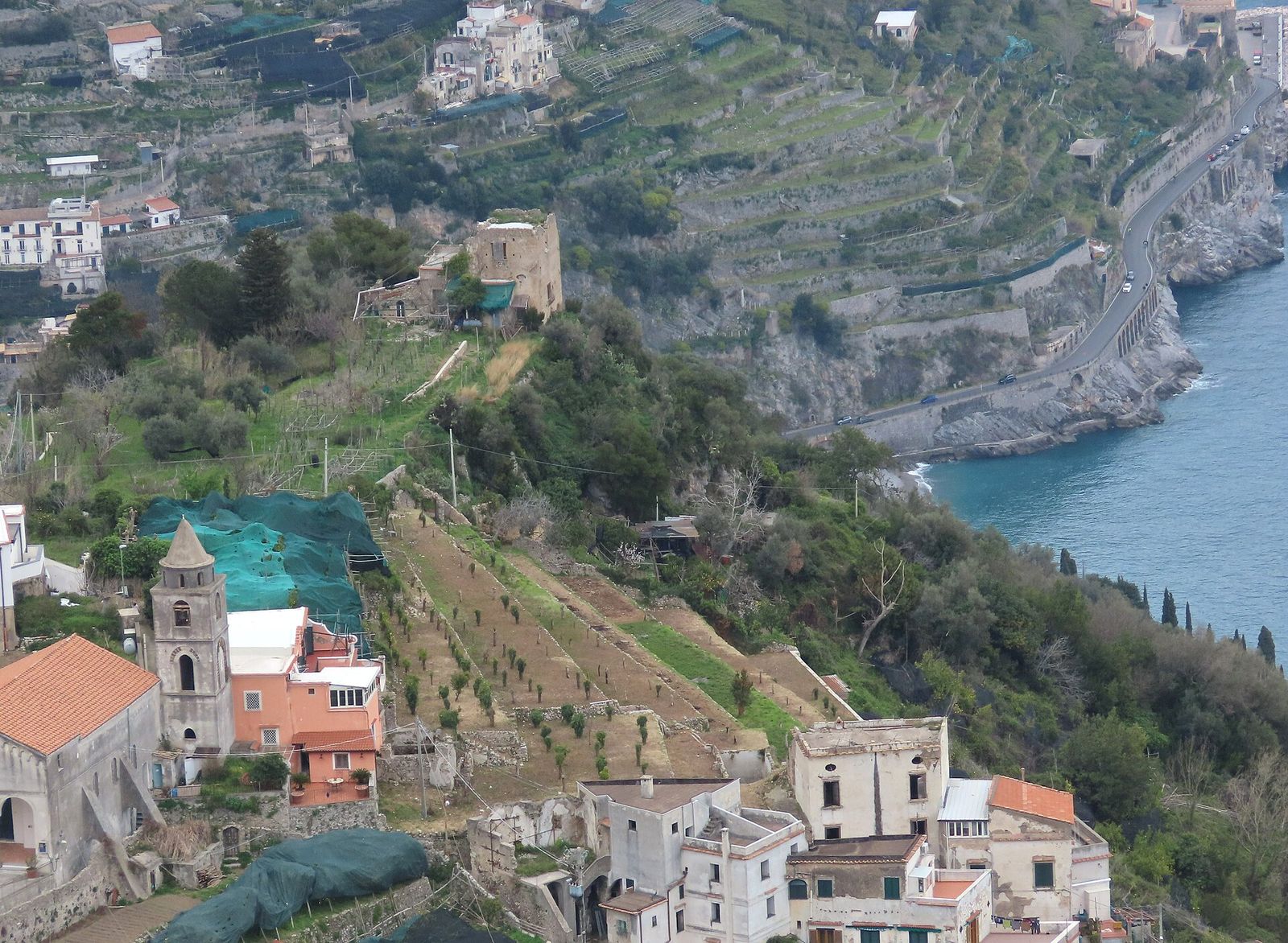
The Amalfi Coast's SS163 road is famous for good reason and for a genuine problem: in July and August, cars and buses can crawl between Positano and Amalfi at a pace slower than walking. The fix most seasoned visitors land on is to drive as little as possible and lean on the seasonal ferries running between Salerno, Amalfi, Positano and Capri, which turn a stressful cliffside crawl into an easy hour on open water. Ravello, set back and above the coast road, is worth the climb for its gardens at Villa Cimbrone and Villa Rufolo, both looking straight down over the Bay of Salerno from a height that puts real distance between you and the traffic below. It rewards staying in one town for four or five nights rather than chasing three in three days, since half the appeal is the lemon groves and stairways you only notice once you stop moving.
South of Amalfi, the Cilento coast gets a fraction of the visitors and moves at a noticeably different speed. Towns like Marina di Camerota and Palinuro have their own sea caves and coves, reached by small boats out of local harbours rather than tour buses, and the Greek temples at Paestum sit just inland, largely uncrowded compared with Pompeii a couple of hours north. Cilento suits travellers who liked the idea of the Amalfi Coast in photographs but want to sit still on a beach without queuing for a sunbed.
Along Croatia's Dalmatian coast, the islands of Hvar, Vis and Korcula form a natural hopping route out of Split, connected by a mix of car ferries and faster passenger catamarans. Hvar Town gets the nightlife and the yacht crowd; Vis, a former military island only opened to foreign visitors in 1989, stays quieter and rewards two or three nights around Komiza and the Blue Cave on nearby Bisevo. Korcula, which locals will tell you (with more enthusiasm than certainty) is the birthplace of Marco Polo, has a walled old town on a small peninsula that empties out pleasantly once the day-trip boats from Dubrovnik leave in late afternoon. Booking ferry crossings a day or two ahead in peak season is sensible, since the popular Split-Hvar-Vis routes fill up on short notice, and this kind of hopping pairs naturally with the wider habits covered in our guide to train travel across Europe, where the same logic of booking ahead and building slack into connections applies just as much to boats as to rail.
Greece beyond Santorini works on a similar logic, and the Cyclades ferry network out of Piraeus or Rafina makes island combinations easy to build without a car. Naxos has some of the best sandy beaches in the group along with a mountainous, still-agricultural interior worth a day of driving inland to villages like Halki, where old olive presses and a scatter of Venetian towers sit above terraced fields. Amorgos, further out and reached by fewer, slower ferries, is where the 1988 film The Big Blue was shot and still feels like the edge of the map, with the clifftop monastery of Hozoviotissa hanging above the sea on what looks from a distance like a sheer wall of rock. Milos trades postcard whitewash for volcanic geology: the lunar landscape at Sarakiniko and the coloured cliffs around Firiplaka make it a favourite for people who want beaches that do not resemble anywhere else in the Mediterranean. A slower Cyclades trip usually means picking three islands rather than six and accepting that a missed ferry connection is a scheduling fact of life, not a disaster, an attitude that also serves travellers well when planning a multi-city international trip anywhere with island or coastal legs.
Portugal's Costa Vicentina, running down the southwest coast through the Alentejo and into the western Algarve, has none of the built-up resort towns found on the Algarve's south coast. Villages like Zambujeira do Mar and Carrapateira sit above dramatic cliffs and surf beaches, and the Rota Vicentina walking network links them in day-length sections rather than a single multi-week expedition. This stretch rewards a rental car and no fixed schedule more than it rewards public transport, since buses along here run thin and infrequent outside the height of summer. Storks nest on the cliff edges near Cabo Sardao, an odd sight worth pausing the drive for.
Galicia's Rias Baixas, the fjord-like inlets on Spain's northwest coast, offer a completely different Atlantic mood: cooler water, working fishing ports like Cambados and Combarro, and mussel rafts anchored just offshore that supply much of Spain's seafood trade. The town of Baiona claims the honour of being the first place in Europe to receive news of Columbus's return in 1493, and its old quarter and the Monte Real fortress above the bay make a good half-day stop between beach visits. Driving the coast road between the rias is slow by design, curling in and out along inlets rather than cutting straight lines, and it suits travellers who want seafood, quiet beaches and almost no crowds even in August.
Ireland's Dingle Peninsula, on the Wild Atlantic Way in County Kerry, packs beehive huts, Gaelic-speaking villages and the Slea Head loop road into a single afternoon's drive if you rush it, which is exactly the wrong way to do it. Slow it down instead: stop at Coumeenoole Beach beneath the cliffs, drive out to the Blasket Islands ferry point at Dunquin, and spend an evening in Dingle town itself, where pubs double as hardware shops and fishmongers in a way that has mostly disappeared elsewhere. The weather here changes on a scale of minutes rather than hours, so plan flexible days rather than fixed hourly stops.
Norway's Lofoten Islands are the postcard version of Nordic coastline: sheer granite peaks dropping straight into fjords, red fishing cabins called rorbuer available to rent in villages like Reine and Hamnoy, and a midnight sun season running roughly from late May to mid July that changes how a day is even structured. Getting around means a mix of the E10 highway, which threads between islands over a series of bridges and tunnels, and smaller ferries for outlying spots. Winter brings the northern lights instead of endless daylight, along with far fewer visitors, and either season suits travellers who want scenery to do most of the emotional work of the trip.
The Faroe Islands, roughly midway between Norway and Iceland, are steeper and stranger still, with grass-roofed houses in Torshavn and villages like Saksun and Gasadalur that were only connected to the road network in recent decades. Ferries and a network of subsea tunnels link the eighteen islands, and the weather turns fast enough that flexible planning matters more here than almost anywhere else on this list. It pairs naturally, in spirit if not geography, with the volcanic drama covered in our piece on Reykjavik and Iceland's south coast, since both places ask you to build slack into every day for weather delays.
Further south and calmer, Sweden's Gotland and Denmark's Bornholm sit out in the Baltic and move at a gentler pace than the fjord coasts further north. Gotland's walled town of Visby, a Hanseatic trading port in the Middle Ages, is compact enough to explore on foot, and the island's limestone sea stacks called raukar cluster along the northern coast near Faro. Bornholm, reached by ferry from Ystad in Sweden or Koge near Copenhagen, is known for smokehouses serving herring in fishing villages like Svaneke and Gudhjem, plus cycling routes that circle most of the island's coastline without much elevation to fight against. Both suit a bicycle more than a car, and a loose two or three day stay rather than a single day trip.
Tanzania's Zanzibar Archipelago pairs beach time with a genuinely distinct urban core in Stone Town, whose narrow lanes, carved wooden doors and spice markets reflect centuries of Swahili, Omani and Indian trade. The east coast beaches around Paje and Jambiani are shaped by a dramatic tide, with the sea pulling back hundreds of metres at low water, which locals here use for seaweed farming rather than treat as an inconvenience. The dry seasons, roughly June to October and December to February, are the easiest windows for travel, and a rental car or hired driver makes more sense than public transport for reaching the quieter northern and southeast coasts.
The Philippines' Palawan, especially the run from El Nido down to Coron, is built almost entirely around boat travel: limestone karsts rise straight out of turquoise lagoons, and island-hopping tours by outrigger banca are the standard way to see them, since roads simply do not reach most of the good spots. Coron's wreck diving, a legacy of a 1944 US air raid on a Japanese fleet sheltering there, adds a layer of history to what would otherwise be a purely scenic destination. Dry season runs roughly from November to May, and travellers who want fewer crowds tend to base themselves in smaller towns like Port Barton rather than El Nido proper.
In the eastern Caribbean, Dominica and Grenada both trade white sand for something rarer in the region: mountainous, still-forested interiors. Dominica's Boiling Lake and the Waitukubuli National Trail draw hikers more than sunbathers, and its lack of large all-inclusive resorts keeps the pace unusually slow for the Caribbean. Grenada, the Spice Isle, mixes nutmeg and cocoa plantations inland with beaches like Grand Anse on the coast, and its harbour town of St George's, rebuilt in places after Hurricane Ivan in 2004, still has a working, unpolished feel that contrasts with more manicured island resorts nearby. Both suit travellers who have already done a standard beach week somewhere else and want the land itself to be part of the story, an approach we cover more broadly in beach trips for travelers who want more than a resort.
None of this is really about finding the most scenic photograph. It is about a style of travel that some people find liberating and others find mildly stressful: fewer fixed reservations, more dependence on a ferry timetable or a weather window, and days that stretch or shrink depending on the tide or the fog. Travellers coming from a background of tightly scheduled city breaks sometimes need a day or two to relax into it, which is worth knowing before you land in Vis or Torshavn with a spreadsheet itinerary. Our broader notes on how to plan a trip without overpacking the schedule apply doubly here, since a coastline that runs on ferries will eventually make your plans for you whether you wanted it to or not.
If there is a common thread across the Amalfi Coast, Lofoten, Zanzibar and Dominica, it is that the best version of each place only shows up once you stop treating it as a stop on a longer route. A coast seen from a moving car window is a different experience from the same coast seen from a rented room with three unhurried mornings ahead of it, and the places gathered here, more than most, tend to punish the rushed version and reward the patient one.
What To See
Where to stand so that a famous landmark still surprises you.
8 min read
What To See
Old cities that remain working cities, and how to visit them respectfully.
8 min read
What To See
Parks that deserve more than a day trip, with notes on seasons and permits.
10 min read