Travel By Interest
Beach Trips For Travelers Who Want More Than A Resort
Coastlines with a village, a boat timetable and something to do at low tide.
By Marta Solberg · 3 June 2026 · 7 min read
Travel By Interest
Coastlines with a village, a boat timetable and something to do at low tide.
By Marta Solberg · 3 June 2026 · 7 min read
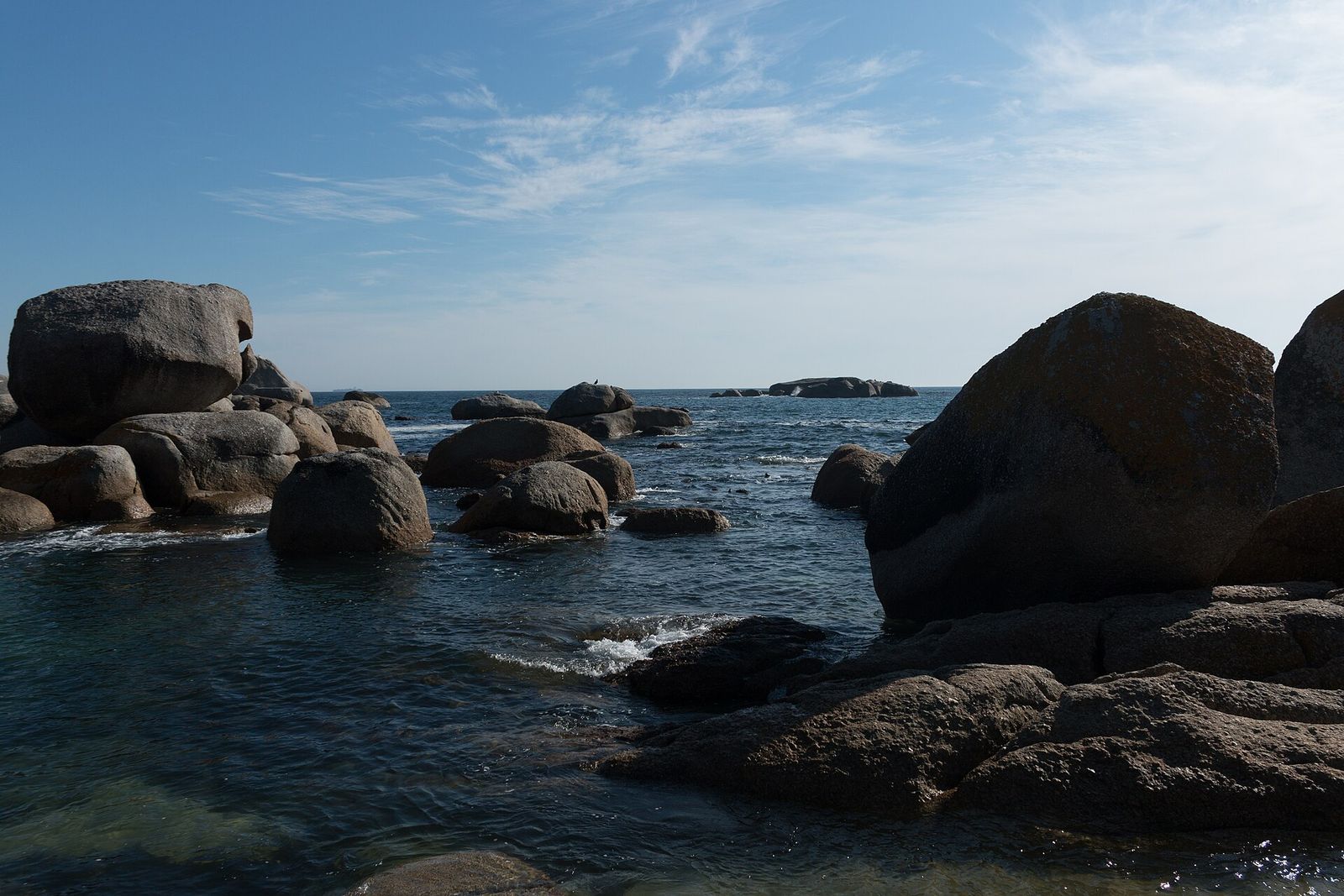
A week of sun loungers has its place, but a lot of coastal regions offer enough hiking, food and history that treating the beach as one stop among several, rather than the entire itinerary, makes for a better trip. The six destinations below all pair genuine coastline with something to do once the swimming is done, and each has a different rhythm, from mountain trails above the Aegean to volcanic craters in the mid-Atlantic.
Faro airport (FAO) puts you within an hour of most of the Algarve's coastline, and the region rewards a rental car more than a single resort base. The Ria Formosa lagoon, a system of barrier islands and salt marsh stretching roughly from Faro to Tavira, is worth a half day on its own: boat tours out to Ilha Deserta or Culatra reach beaches with almost no development, a contrast to the built-up strip around Albufeira and Vilamoura further west. Inland and along the wilder west coast, the Rota Vicentina network of walking trails runs down toward Odeceixe, tracing cliffs and fishing villages rather than resort fronts, and can be walked in day sections rather than committing to the full multi-day route. Olhao's fish market and harbor-front restaurants are a reasonable place to try cataplana, the copper-pot seafood stew associated with the region, alongside grilled sardines that show up on nearly every menu along the coast.
Naxos gets less attention than Santorini or Mykonos, but its interior villages, Halki, Apiranthos, Filoti, sit on the slopes of Mount Zas, the tallest peak in the Cyclades, and a morning hike up it pairs oddly well with an afternoon on Plaka beach below. Crete works on a different scale entirely: the Samaria Gorge, one of Europe's longer gorge walks at around 16 kilometers, drops from the Omalos plateau down to the Libyan Sea near Agia Roumeli, typically taking five to seven hours and requiring a return by boat and bus rather than the same path back. Chania's old town, with its Venetian harbor and Ottoman-era lanes, is a reasonable base for a few days combining beach time at Balos or Elafonissi with wandering the harbor at dusk. Ferry timetables out of Piraeus, the port serving Athens, shift by season and operator, so island-hopping plans are worth building around current schedules rather than assuming last year's frequency still holds.
The two coasts here barely resemble each other. The Nicoya Peninsula on the Pacific side has paved (if winding) roads, a developed surf and yoga scene around Santa Teresa and Nosara, and relatively easy logistics from Liberia's airport. The Osa Peninsula, further south, is a different proposition: unpaved roads, rougher river crossings in the wet season, and Corcovado National Park, often described in guidebooks as one of the most biodiverse patches of rainforest in Central America, with tapirs, scarlet macaws and, with luck, a glimpse of a big cat's tracks. Manuel Antonio, smaller and more accessible, packs beach, rainforest and a national park entrance into a single afternoon, which makes it a reasonable stop for travelers not ready for Osa's longer drives. On the Caribbean side, Tortuguero is reachable only by boat or small plane and is best known for turtle nesting season, roughly July through October for green turtles, when guided night walks on the beach are tightly regulated to protect the animals. None of this is a place to rent the cheapest car available; the road conditions on the Osa side in particular call for a proper 4x4 and a realistic travel-time buffer.
Mauritius has built a reputation on all-inclusive resorts along its lagoons, but the southwest corner has real hiking: Le Morne Brabant, a basalt monolith with a difficult but well-marked trail to its summit, offers views back over the resort strip and out to the reef, and carries its own grim history as a refuge for escaped slaves in the 18th and 19th centuries, which local guides typically explain at the base. Black River Gorges National Park, inland, has trails through native forest and a couple of viewpoints looking down toward the coast, a change of pace from the beach entirely. Mahebourg, on the southeast coast, has a Creole food market worth timing a visit around, with fried snacks and fish curries that differ noticeably from resort buffet fare. Blue Bay's marine park, near Mahebourg, is one of the more reliable snorkeling spots on the island, with a glass-bottom boat option for anyone not keen on getting in the water.
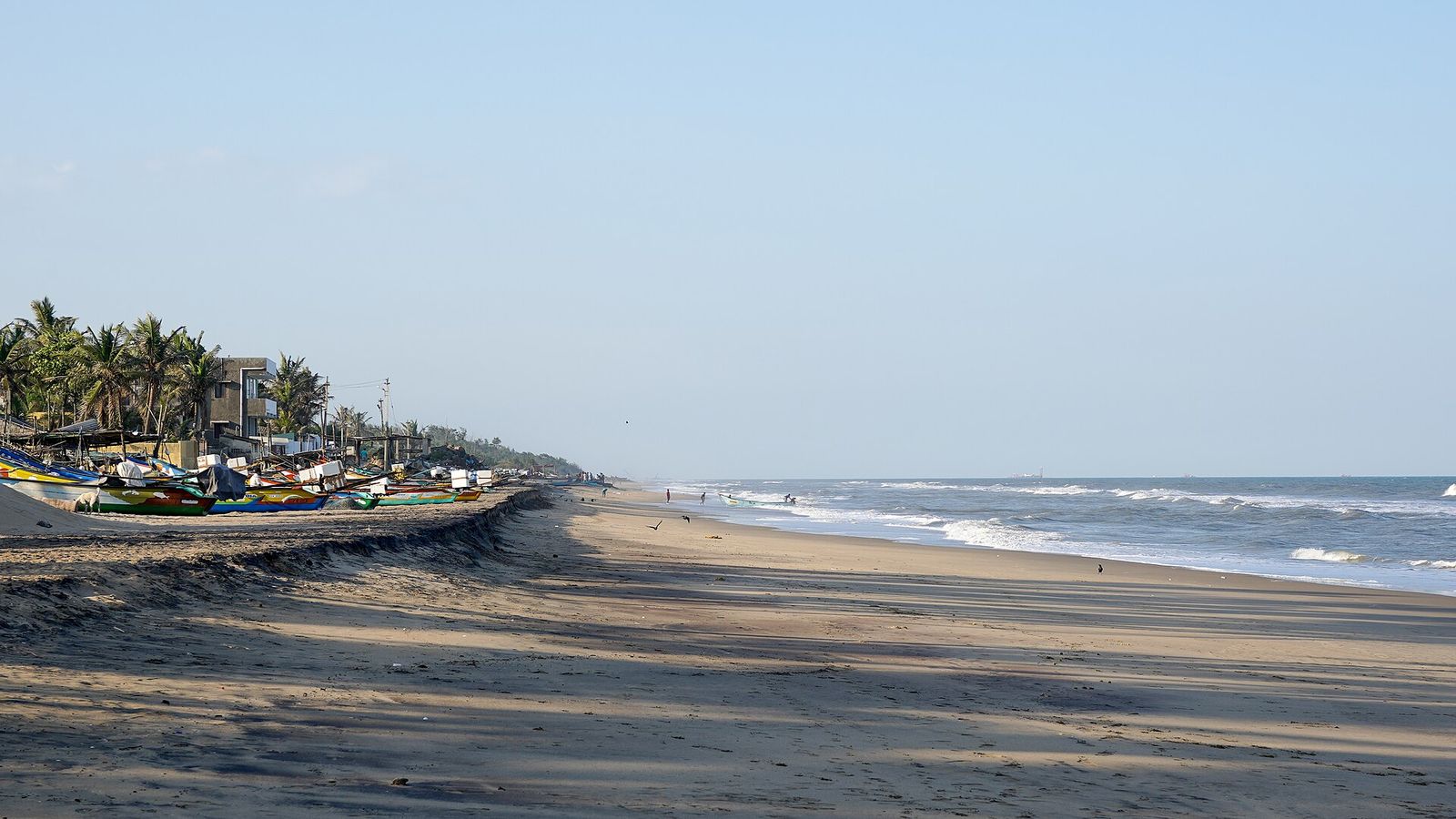
Sardinia's coastline is long enough that renting a car and moving every few days makes more sense than picking one base. The Costa Verde on the southwest side has the Piscinas dune system, a stretch of shifting sand dunes backing directly onto the beach, undeveloped compared to most of the island's coast. On the east side, Cala Gonone is the usual jumping-off point for boat trips into the Gulf of Orosei, a stretch of limestone coast accessible mainly by water or long hikes, with coves like Cala Luna and Cala Goloritze that are difficult to reach any other way. Inland, the Nuragic site of Su Nuraxi near Barumini, a Bronze Age stone tower complex and a UNESCO World Heritage site, gives some sense of the island's history before Rome ever arrived. The Barbagia region further inland is where the food changes character entirely, roast suckling pig, wild boar, pecorino, a useful contrast to the seafood-heavy coastal towns.
Tenerife is the obvious starting point, and Mount Teide, Spain's highest peak and the center of Teide National Park, is reachable by cable car or a longer hike, with the Anaga rural park in the island's northeast corner offering laurel forest trails that feel closer to a cloud forest than a beach destination. La Palma, smaller and quieter, centers on the Caldera de Taburiente, a vast eroded volcanic crater with hiking trails along its rim and floor, and has kept darker skies than its larger neighbors, which is part of why it hosts major astronomical observatories. Lanzarote is the most geologically stark of the group: Timanfaya National Park preserves a landscape of 18th-century lava fields, with guided routes since much of the park is closed to unsupervised walking, while Famara's long beach and dependable wind draw a steady surf and kitesurf crowd. Getting between the islands generally means either a short domestic flight or an inter-island ferry, and car rental on each island is the practical way to reach the trailheads and viewpoints that public transport does not cover well.
Most of these destinations have a shoulder season worth favoring over peak summer: April to June and September to October tend to bring lighter crowds and gentler heat across the Mediterranean stops, while Costa Rica's dry season, roughly December to April on the Pacific side, is the easier window for the rougher Osa roads. A rental car is close to essential in the Algarve, Sardinia, the Canary Islands and Costa Rica's Nicoya and Osa peninsulas, while the Greek islands run more on ferry schedules and local buses than a single car ever could. For travelers building a broader trip around this kind of coastline, it is worth reading alongside scenic coastlines and islands for a slower journey and thinking early about how to build a realistic travel budget, since car rental, inter-island ferries and multi-day hiking permits add up faster than a straightforward resort stay.
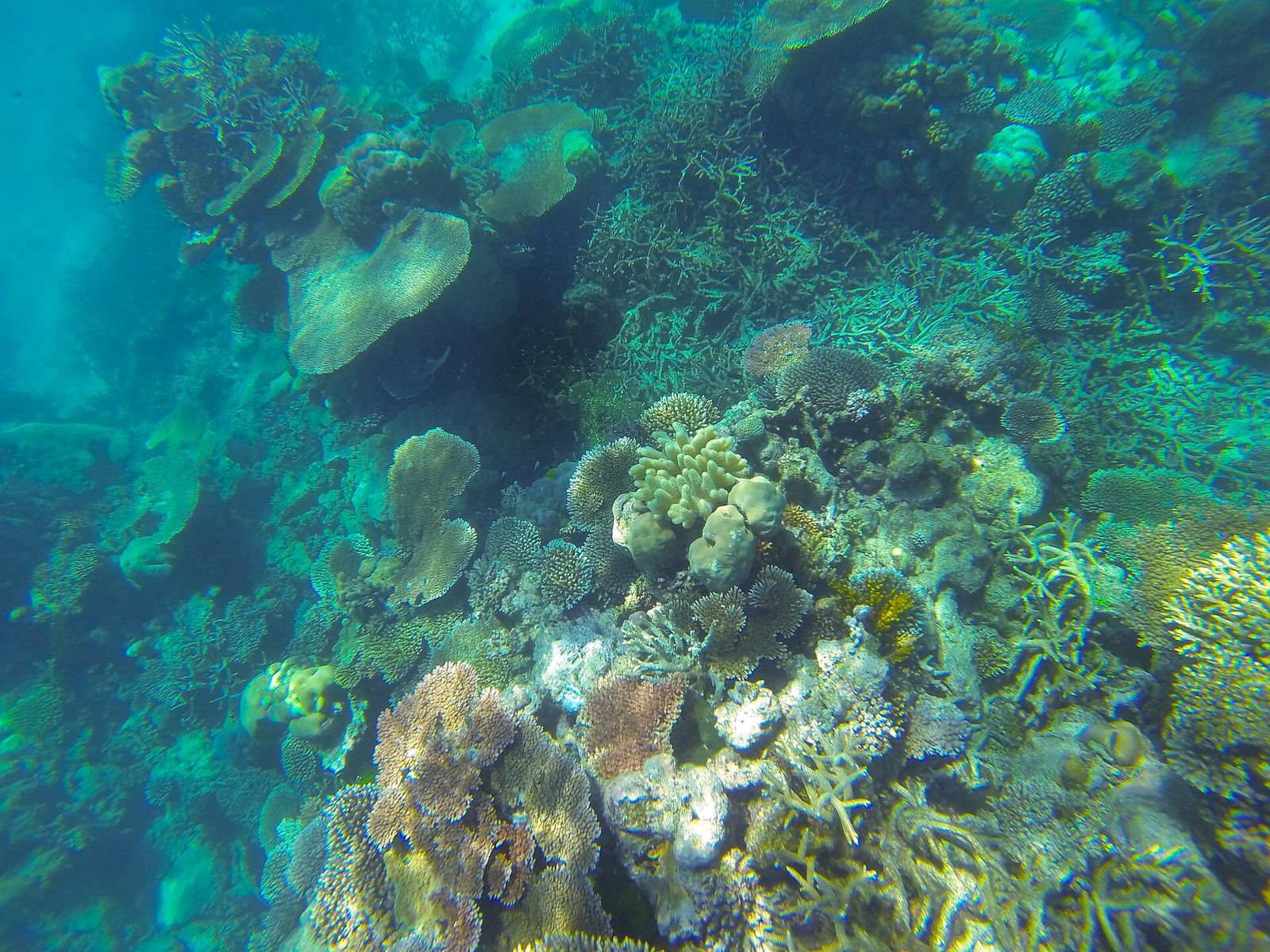
What ties these six places together is not scenery alone but variety within a small radius: a morning hike, an afternoon swim, a market or a village worth wandering, all reachable without an internal flight in most cases. That density is what separates a beach trip that feels complete from one that starts to feel repetitive by day four. Anyone weighing where to stay for this kind of multi-stop coastal trip might also look at hotels, guesthouses and apartments for the tradeoffs between a fixed resort base and a string of smaller stays.

Travel By Interest
Three-day cities where the museums, music and streets are all within walking distance.
8 min read
Travel By Interest
Permits, guides and weather windows: the trips you cannot decide on last week.
8 min read