Where To Stay
Hotels, Guesthouses And Apartments: What Actually Matters
What each type of accommodation is genuinely good at, and what it quietly costs you.
By Aisha Nakamura · 16 July 2026 · 7 min read
Where To Stay
What each type of accommodation is genuinely good at, and what it quietly costs you.
By Aisha Nakamura · 16 July 2026 · 7 min read
Ask five experienced travellers whether hotels, apartments or guesthouses are the best way to stay somewhere and you will get five different, confidently held answers, usually shaped by one memorable trip rather than any general rule. The honest answer is that each type solves a different problem, and the same traveller might reasonably choose differently for a weekend in Rome, a month in Lisbon and a family trip to Orlando. This guide compares them on the things that actually affect a stay: location, cancellation terms, fees, check-in, space, stairs, laundry, breakfast and how well each fits solo travellers, families and longer stays.
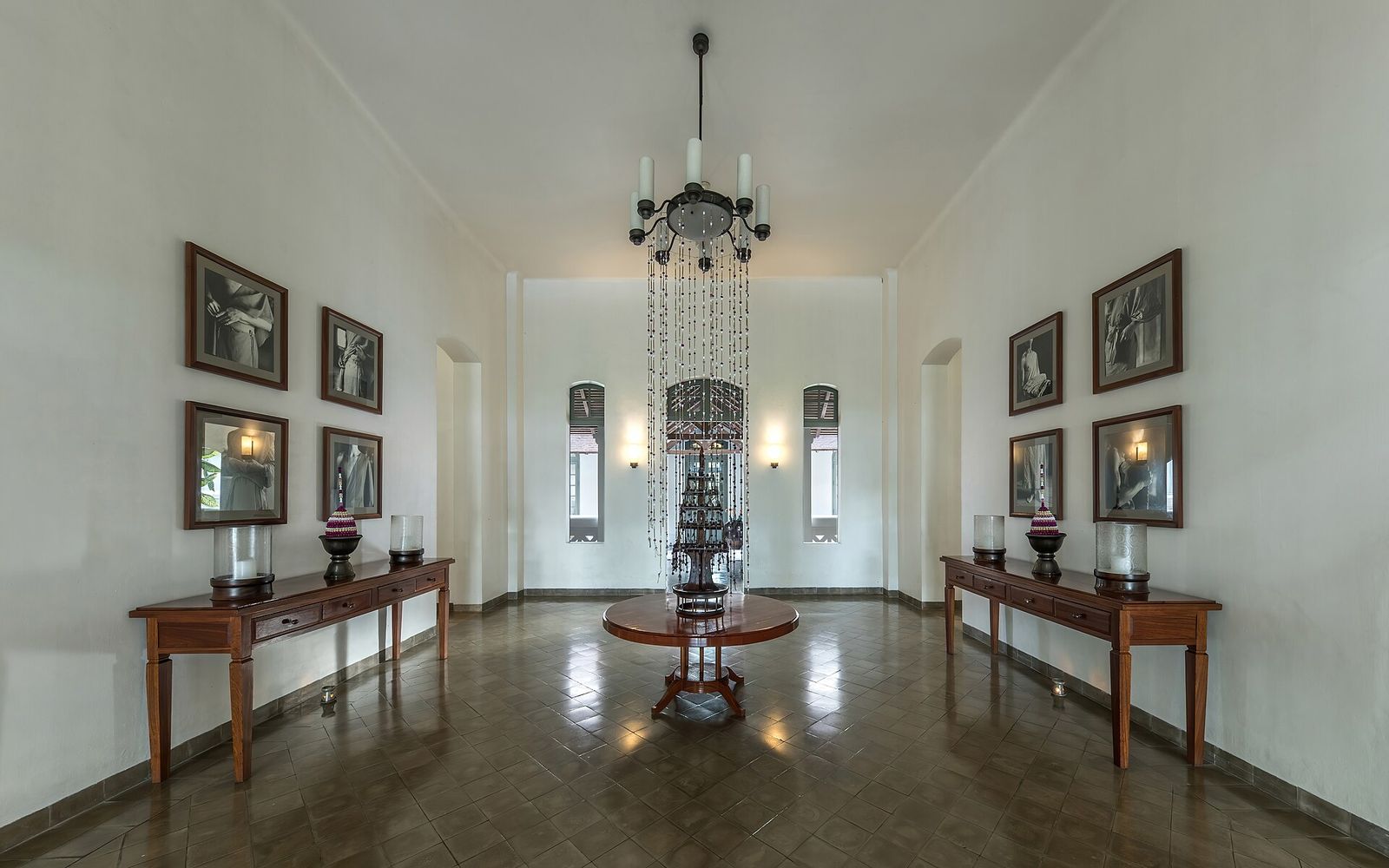
A hotel remains the default for good reason: predictable check-in hours, a front desk that can solve problems at 11pm, daily cleaning, and usually a cancellation policy that is easier to understand than most apartment listings. Chain hotels near business districts or airports tend to be reliable but forgettable, while independent and boutique hotels in older buildings, common across Paris, Rome and Lisbon, often come with smaller rooms and, in cities without modern building codes, no lift at all above a certain floor. It is worth checking a hotel's floor plan or asking directly whether there is an elevator before booking a fourth-floor room in a nineteenth-century building; the answer is often no, and the stairs are often narrow and spiral.
Hotels generally handle city taxes cleanly, adding a small nightly charge (a few euros per person per night is a common pattern in much of Europe) that is disclosed at booking or charged at checkout, rather than buried inside a separate cleaning fee. Breakfast, where included, ranges from a genuinely good spread to a sad basket of croissants, and it is worth reading recent reviews specifically on this point rather than trusting the room photos. For a solo traveller, a hotel offers built-in safety and social ease that a rented flat generally does not, since there is always a staffed desk and often a bar or lobby where it is normal to sit alone. For a longer stay, though, hotels lose their advantage: daily housekeeping becomes intrusive rather than helpful, and the lack of a kitchen turns even simple meals into a recurring expense.
A guesthouse or bed and breakfast sits between a hotel and a private rental, usually family run, with fewer rooms, a fixed check-in window, and often genuinely useful local advice from the owner. They tend to cluster in residential or semi-residential neighbourhoods rather than commercial cores, which can be an advantage (quieter streets, real neighbourhood life) or a disadvantage (further from the sights you actually booked; see how to choose the right neighborhood in a new city for working that out before you book). Breakfast is usually included and often better than a hotel's, since it is cooked to a small, fixed number of guests rather than laid out as a buffet for two hundred.
The tradeoffs are practical ones. Check-in windows are often narrower than a hotel's twenty-four-hour desk, since a family-run guesthouse may not have staff on site all day, so it is worth confirming arrival time in advance, particularly if your flight lands late. Cancellation policies vary enormously between individual properties rather than following a chain-wide standard, so read the specific terms rather than assuming; some are stricter than a hotel, some more forgiving. Storage and room size tend to run smaller than a hotel of similar price, and lifts are rare in the older buildings that many guesthouses occupy, especially in southern Europe. For a solo traveller or a couple wanting something quieter and more personal than a hotel, without the self-sufficiency of a full apartment, a guesthouse is often the best middle option, though it suits shorter stays better than long ones, since the intimacy that makes a three-night stay charming can start to feel confining after three weeks.
A private apartment gives you a kitchen, a washing machine, separate rooms, and the ability to spread out, which matters enormously for families and for stays longer than four or five nights. The tradeoff is inconsistency: cleaning fees can be disclosed poorly, sometimes shown only at the final step of booking, and total cost after taxes and fees can end up higher than a comparable hotel room once everything is added. Check-in is often self-service through a lockbox or a keypad, which is convenient if your flight is delayed and inconvenient if something goes wrong and there is no one to call; read the listing for how host support actually works, not just whether it claims to exist.
Aparthotels split the difference, offering apartment-style rooms with kitchenettes but keeping a staffed reception and sometimes daily or periodic cleaning, which suits a traveller who wants some self-catering flexibility without giving up a front desk entirely. Regulation of short-term apartment rentals has been tightening in several cities and changes fairly often, so treat any specific rule as a snapshot rather than a fixed fact: Barcelona has moved to phase out short-term tourist apartment licences entirely by the mid-2020s, Amsterdam has capped the number of nights a home can be rented and restricted rentals in parts of the centre, and Lisbon has periodically frozen new short-let licences in central districts while adjusting the rules for existing ones. None of this means apartments are disappearing, but it does mean availability and price in some historic centres can shift from one year to the next, and it is worth booking through a platform that clearly states the property is registered, where that is required.
For families, apartments generally win on space and cost per person, since a two-bedroom flat can work out cheaper than two hotel rooms while giving children somewhere to wind down away from the adults' evening. A washing machine also matters more than people expect on trips longer than a week, cutting down on luggage and letting you pack lighter to begin with; see how to plan a trip without overpacking the schedule for a related point about not overloading the days themselves. The main risk with apartments is variability: two listings on the same street can differ hugely in cleanliness, noise insulation and how honestly the photos represent the space, so reviews that specifically mention noise, stairs and accuracy of the listing are worth more than the overall star rating.
Hostels are not only for backpackers on a strict budget, though that remains their core audience. Modern hostels in cities like Lisbon, Berlin and Tokyo increasingly offer private rooms alongside dorms, often with better common areas and a stronger social atmosphere than a budget hotel at the same price. For a solo traveller who wants to meet people, a hostel with a decent kitchen and common room can be genuinely more useful than a private room where you see no one. The tradeoffs are obvious: shared bathrooms in the dorm tiers, variable noise depending on your dorm-mates, and lockers rather than a full wardrobe for storage. Families and anyone needing guaranteed quiet are usually better served elsewhere, though some hostels do offer private family rooms that function more like a budget hotel room with hostel-level common facilities attached.
Cancellation policies are the single most inconsistent factor across all four types, and they deserve more attention than most travellers give them at booking time. Large hotel chains often offer free cancellation up to 24 or 48 hours before arrival on standard rates, while a discounted non-refundable rate at the same hotel might allow no changes at all. Independent guesthouses and small apartment hosts set their own terms individually, so a strict 14-day cancellation window is entirely possible even on a modest booking. City tourist taxes, common across much of Europe, are usually charged per person per night and disclosed either at booking or on arrival; they are rarely large individually but worth checking so the final bill does not surprise you. Cleaning fees are specific to apartments and some aparthotels and should be read as a fixed addition to the nightly rate rather than folded into your mental price per night, since a flat that looks cheap before fees can end up costing more than a hotel once the total is calculated properly.
It also helps to think about what you actually do in a room beyond sleep. A traveller who works odd hours or needs a proper desk will notice the difference between a cramped hotel room and even a modest apartment with a table by the window; a traveller who is out from breakfast until midnight barely notices the room at all beyond the bed and the shower. Matching the accommodation to your actual daily rhythm, not just your budget, avoids paying for space or services you will not use.
A weekend city break with a fixed set of bookings and a preference for convenience over space tends to favour a hotel or a well-located guesthouse, since the daily overhead of managing a rental is not worth it for two or three nights. A month-long stay, a family trip, or anywhere you plan to cook occasionally favours an apartment, provided you check the fee structure and current local regulation before assuming it will be cheaper. Solo travellers wanting company should look at hostels with private room options; those wanting quiet and personal service should look at guesthouses. None of these categories is the universally right answer, and the more useful habit is reading each listing's specific policies on cancellation, fees, floor and lift access, rather than assuming a category label tells you everything you need. For help thinking through the neighbourhood half of the same decision, see where to stay on a first trip to Paris, which works through exactly this kind of tradeoff for one specific city.
Where To Stay
Transport, noise, groceries and walking distance matter more than a district's reputation.
8 min read
Where To Stay
Six Paris districts compared on price, transport and how they feel after dark.
9 min read