Where To Stay
Where To Stay On A First Trip To Paris
Six Paris districts compared on price, transport and how they feel after dark.
By Daniel Okonjo · 17 January 2026 · 9 min read
Where To Stay
Six Paris districts compared on price, transport and how they feel after dark.
By Daniel Okonjo · 17 January 2026 · 9 min read
Paris rewards a good first choice of base more than almost any city in Europe. The metro is dense, the center is compact by big-city standards, and yet the character of a street can change completely within three or four blocks. Picking a neighborhood is not about finding the 'best' address, since there is no single best answer, it is about matching a district's rhythm to how you actually travel. A family with young children and a couple planning late dinners and later bars will be happiest in different arrondissements, even if both are visiting the same museums.
Arrondissement numbers are the single most useful shorthand once you start comparing listings. Paris spirals outward clockwise from the 1st, which sits on the Right Bank around the Louvre, through to the 20th at the eastern edge. Low numbers, roughly 1 through 8, sit close to the historic center and to the Seine. Numbers in the low teens, like the 9th through 12th, remain well connected but feel more residential and less scripted for visitors. Anything above the mid-teens, and certainly the outer ring near the peripherique, tends to mean longer transfers and less to do on foot after dinner, though pockets of the 16th and 17th are genuine exceptions worth knowing about.
Le Marais spans the 3rd and 4th arrondissements and is probably the single most popular base for first-time visitors, for good reason. Narrow 17th-century streets, converted mansions now holding small museums, and a dense concentration of independent boutiques and falafel counters around Rue des Rosiers give it an atmosphere unlike anywhere else in the city. It sits directly across the river from Notre-Dame, an easy 10 to 15 minute walk, and the Louvre is roughly 20 minutes on foot or a short hop on line 1 from Hotel de Ville or Saint-Paul.
Metro access is excellent: lines 1, 11, and 8 all cut through or near the district, with Bastille, Hotel de Ville, and Saint-Paul as the key stations. Evenings are lively but rarely rowdy, since much of the nightlife here is bar and wine-bar oriented rather than club-driven, so noise is manageable even on a Friday. Prices sit in the mid to upper range for Paris, and the area suits first-timers, couples, and repeat visitors who want a walkable base without needing a car or long metro rides. Families with very young children sometimes find the crowds on weekend afternoons a bit much.
Saint-Germain-des-Pres, in the 6th, trades a little of the Marais's density for wide boulevards, historic literary cafes like Les Deux Magots, and closer proximity to the Musee d'Orsay, which is a flat 10-minute walk along the river. The Louvre is reachable on foot in about 20 minutes or two stops on line 4 to Chatelet then a short walk, or via the RER C along the Left Bank. This is one of the more expensive districts in the city, reflecting its longstanding reputation as an upscale intellectual quarter.
Evenings here are quiet by Paris standards, more suited to a long dinner and a nightcap than a night out, which makes it a strong choice for older travelers, honeymooners, and anyone who wants proximity to the center without street noise under the window. It is less ideal for late-night travelers hoping to fall into a bar at 1am, and budget travelers will find better value elsewhere. For general guidance on matching a neighborhood's character to your own travel style, see how to choose the right neighborhood in a new city.
The Latin Quarter, in the 5th, is built around the Sorbonne and has a genuinely academic, slightly scruffy energy that softens the price tag compared with its immediate neighbors. It is arguably the best-located district for Notre-Dame, a five-minute walk from Place Saint-Michel, and the Musee d'Orsay is a comfortable 15 to 20 minute walk or a short RER C ride. The Louvre is about 20 minutes on foot along the Seine, one of the more pleasant walking routes in the city.
Student bars around Rue Mouffetard and Rue de la Huchette keep some streets busy well past midnight, so light sleepers should choose a hotel on a side street rather than directly on the main drags. Food ranges from cheap kebab and crepe stands to solid mid-range bistros, and overall price levels sit lower than the Marais or Saint-Germain. This makes the Latin Quarter a strong fit for budget travelers, students, and late-night travelers, and a reasonable if slightly noisier option for first-timers who prioritize walking distance to landmarks over quiet.
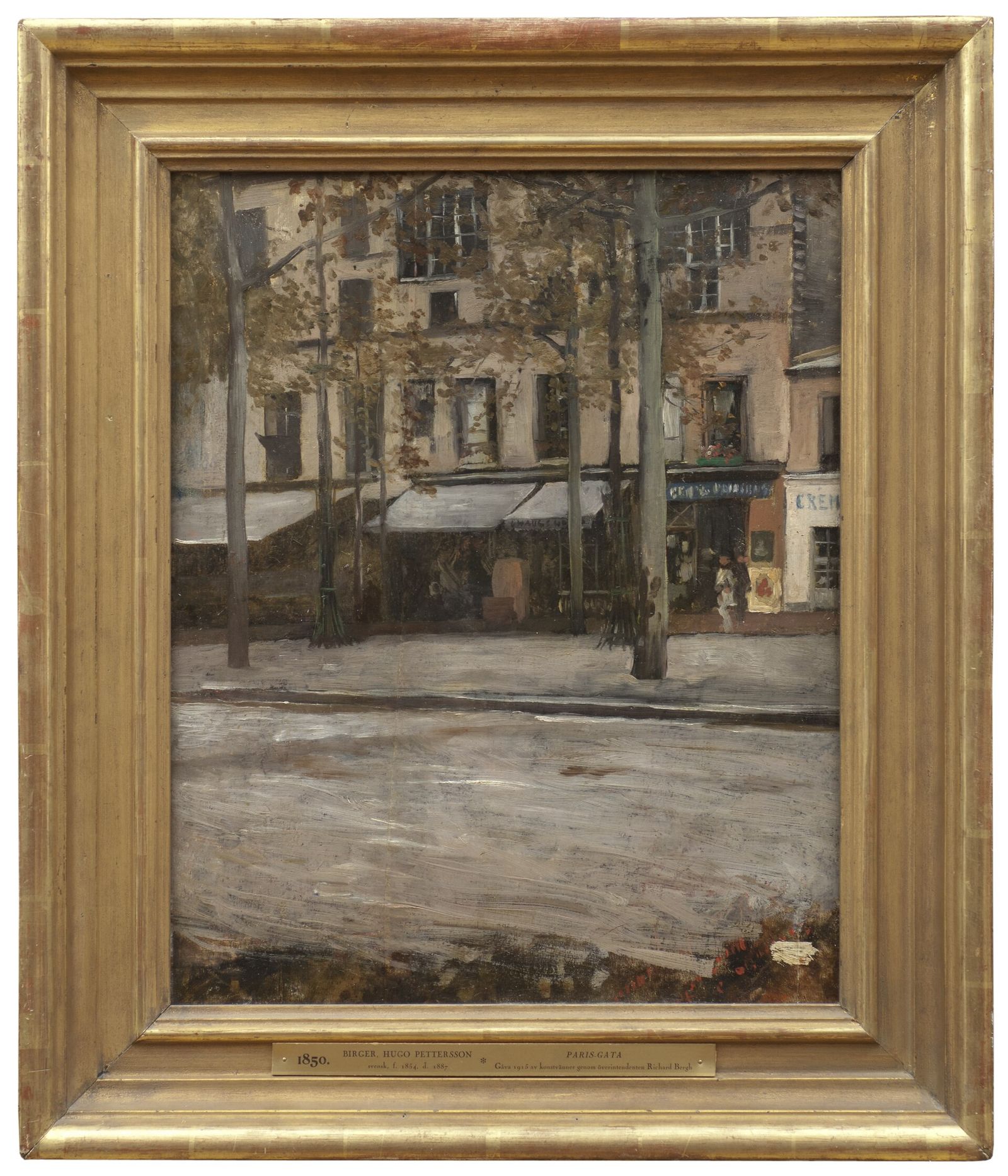
Montmartre sits on a hill in the 18th, well north of the classic sightseeing core, and that distance is the trade-off for its village-like atmosphere, cobbled lanes, and views from Sacre-Coeur. It is not within comfortable walking distance of the Louvre or Notre-Dame, both roughly 40 to 50 minutes on foot, so plan on the metro: lines 2, 4, and 12 serve the district, with Abbesses and Anvers as useful stops. Blanche and Pigalle, at the foot of the hill, border the more adult-oriented nightlife strip, which is worth knowing if you are booking a family stay nearby.
Restaurants here range widely, from tourist-trap crepe stands near the Sacre-Coeur steps to genuinely good neighborhood bistros a few streets back. Prices are moderate and can be good value once you move away from the immediate viewpoint. Montmartre suits repeat visitors who have already covered the core sights, travelers who prioritize atmosphere and photography over minimizing transit time, and those comfortable with a nightly walk up and down a genuinely steep hill. It is a less practical first choice for anyone trying to cram the major museums into a short trip.
The 9th arrondissement, around the Opera Garnier and the grand department stores of Boulevard Haussmann, is one of the most practical bases for rail arrivals because it sits within easy walking distance of Gare Saint-Lazare and a short metro ride from Gare du Nord. Lines 3, 7, 8, and 9 converge in the area, giving fast connections across the city. The Louvre is about 20 minutes on foot or a few stops on line 3, while Notre-Dame and the Musee d'Orsay require a short metro or bus ride rather than a walk.
Evenings around the main boulevards stay busy with theatre and shopping crowds rather than bar noise, and side streets are generally calm. Price levels vary block by block, with some genuine mid-range hotel value alongside upscale options near the Opera itself. This area suits business travelers, families who want reliable transit links over postcard atmosphere, and anyone arriving by train who wants to minimize the first taxi or metro ride with luggage.
Bastille straddles the 11th and 12th arrondissements and has shifted over the past two decades from working-class quarter to one of the city's more energetic dining and nightlife districts, especially around Rue de la Roquette and Rue de Lappe. It sits close to Gare de Lyon, useful for anyone arriving by TGV from the south or connecting onward, and lines 1, 5, 8, and the RER A give strong coverage. The Louvre is a straightforward ride on line 1, roughly 15 to 20 minutes including the walk from the platform.
Nights here run later and louder than in the Marais, particularly on weekends, so light sleepers should look at streets set back from Rue de Lappe and Rue de la Roquette. The food scene mixes affordable wine bars with a growing number of well-regarded small restaurants, and overall prices sit lower than the historic center. Bastille suits late-night travelers, younger groups, and budget-conscious visitors who still want fast access to the main sights, though it is a less natural fit for families with small children.
The Canal Saint-Martin area, in the 10th, has become a favorite among repeat visitors and long-stay travelers who want a more local, less scripted feel, with tree-lined quays, independent shops, and a strong casual dining scene. It sits close to both Gare du Nord and Gare de Lyon on the RER and metro network, which makes it convenient for onward Eurostar or TGV connections, and lines 5 and 7 provide reasonable coverage into the center. The Louvre and Notre-Dame are roughly 30 to 40 minutes away on foot, more realistically covered by metro.
Evenings along the canal itself can be lively in warmer months, with groups sitting along the water into the night, though it thins out considerably once you move a few streets back. Prices are generally more moderate than the historic core, and the area suits budget travelers, younger visitors, and anyone on a second or third trip to Paris who has already covered the essential sights and wants a neighborhood that feels lived-in rather than curated for tourism.
Charles de Gaulle (CDG) connects to central Paris mainly via the RER B, which runs directly into the Latin Quarter and Saint-Germain-des-Pres corridor with stops at Chatelet-Les Halles and Saint-Michel, or via the Roissybus, which terminates near the Opera in the 9th. Journey times run roughly 45 minutes to an hour depending on traffic and service, and current fares and timetables should always be checked on the RATP or Roissybus operator site before travel, since prices and schedules are adjusted periodically.
Orly is served by the Orlyval automated shuttle connecting to the RER B, by tram T7 to the southern edge of the metro network, and by the Orlybus running to Denfert-Rochereau in the 14th. None of these deposit you directly in the historic core, so factor in a metro transfer either way. Rail arrivals are simpler: Gare du Nord sits at the edge of the 10th, close to Canal Saint-Martin, while Gare de Lyon borders the 12th near Bastille, so choosing a hotel in either of those districts can shave real time off a trip that starts or ends by train. For broader planning around arrival points, see airport connections and how to choose the right neighborhood in a new city.
The 16th arrondissement, wrapping around the Trocadero and Bois de Boulogne, and parts of the 17th near Parc Monceau, offer genuinely quieter streets and often lower nightly rates than the Marais or Saint-Germain, with solid metro access via lines 2, 6, and 9. The trade-off is atmosphere: these are residential, upscale-but-sleepy districts with fewer restaurants open late and less of the wandering-around appeal that draws people to Paris in the first place. They suit families prioritizing quiet and space, and travelers on longer stays who want a break from tourist density.
Beyond that ring, once you are looking at hotels in the outer 18th past Montmartre, the far reaches of the 19th and 20th, or anywhere inside the peripherique's satellite towns, the calculation changes. A nightly saving of even a meaningful amount can be eaten up by 40 minutes each way on the metro, especially with luggage or young children, and last trains stop running around 1am on weekdays. If a listing requires two transfers to reach Chatelet, treat that as a real cost, not a rounding error, when comparing it to a pricier but central option.
There is no universally correct answer here, only a better or worse fit for the trip you are actually taking. A family on a five-day visit gains more from being 10 minutes from a metro line with direct access to the Louvre and Eiffel Tower than from a picturesque street in Montmartre. A couple who wants to stumble between wine bars until midnight will resent a hushed Saint-Germain side street. Reading a neighborhood's actual streets on a map, not just its name, and checking the walk time to the two or three sights you care most about, solves most of the guesswork before you ever book.
Where To Stay
Transport, noise, groceries and walking distance matter more than a district's reputation.
8 min read
Where To Stay
What each type of accommodation is genuinely good at, and what it quietly costs you.
7 min read