Travel By Interest
Culture-Focused City Breaks Around Europe
Three-day cities where the museums, music and streets are all within walking distance.
By Camille Rousseau · 4 July 2026 · 8 min read
Travel By Interest
Three-day cities where the museums, music and streets are all within walking distance.
By Camille Rousseau · 4 July 2026 · 8 min read

There is a particular kind of exhaustion that comes from trying to see a European city properly in three days: landmark, landmark, viewpoint, landmark, and a blur of queues in between. A culture-focused break asks for something different. It picks two or three institutions, walks between them, and leaves room for a coffee house, a courtyard, or an unplanned hour in a neighborhood that turns out to matter more than the itinerary did. This kind of trip rewards a bit of planning, mostly around timed tickets and opening hours, but it does not require rigid scheduling. If you are weighing this style against a broader multi-city plan, it is worth reading about how to plan a multi-city international trip before committing to a single base.
Vienna rewards a slow pace better than almost anywhere else on this list. The Kunsthistorisches Museum, on the Ringstrasse near Maria-Theresien-Platz, holds one of the great Habsburg painting collections, and its ceiling alone (a Klimt-decorated stairwell) is worth the ticket price, roughly EUR 21-23 as of recent seasons though this should be checked against the museum's own site. The Belvedere, split across the Upper and Lower palaces near the Sudbahnhof area, houses Klimt's The Kiss and a garden worth walking even if you skip the ticket. Neither museum needs a full day; two to three hours each is realistic.
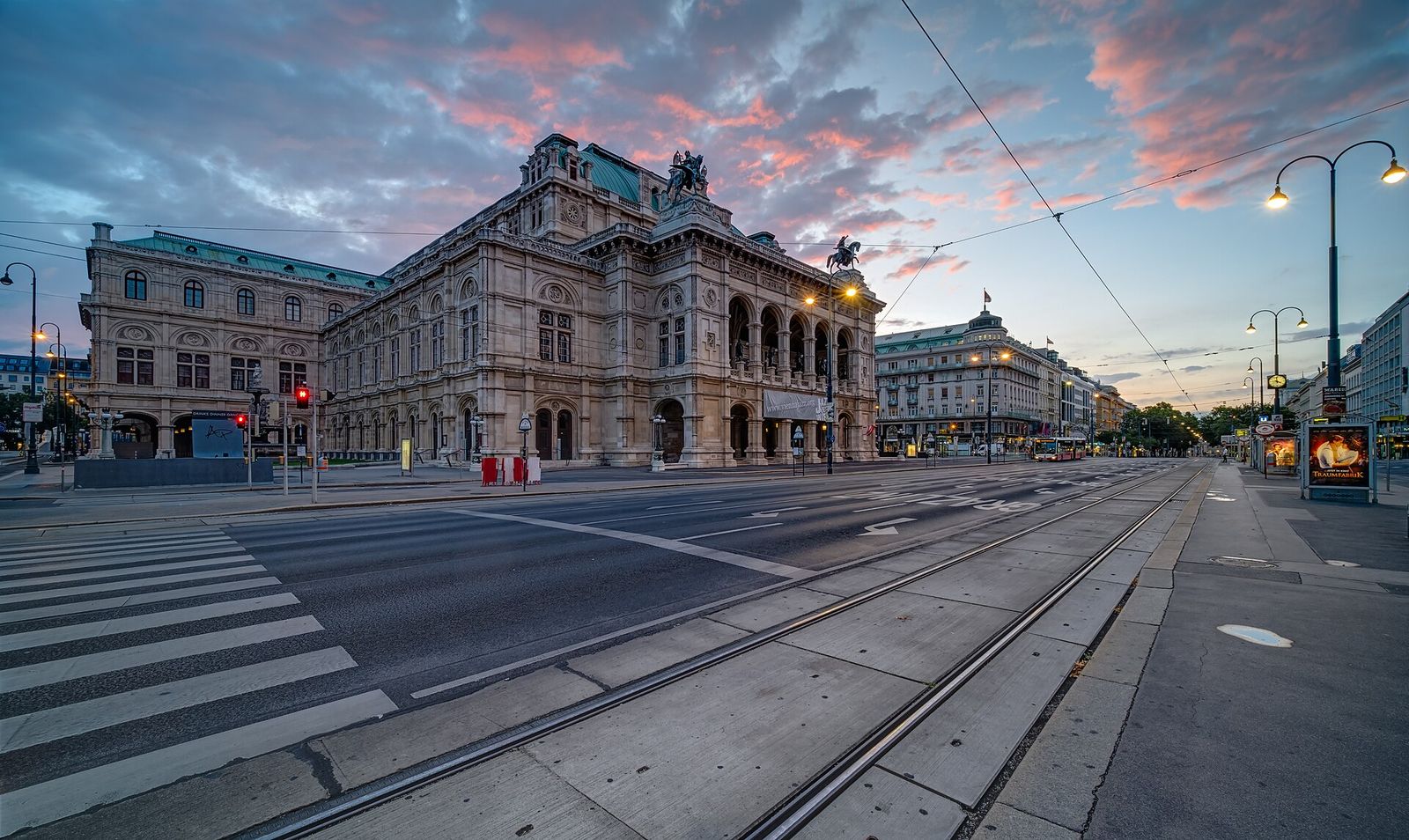
Music deserves its own planning line. The Musikverein sells standing-room tickets on the day, often for under EUR 10, and the Staatsoper does the same for its standing sections, though queues can start well before doors open on popular nights. Neither is a guaranteed seat, and neither should be treated as one; check current schedules and standing-ticket policies directly with the venues before building an evening around them.
Between museums, Vienna's coffee houses (Cafe Sperl, Cafe Central, Cafe Hawelka) are not simply places to eat cake, though the cake is good. They function as reading rooms, waiting rooms, and informal offices, and sitting in one for an hour with a Melange and a newspaper is as much a piece of Viennese culture as anything hanging in the Belvedere. A walk along the Ringstrasse itself, past the Parliament, the Rathaus, and the Burgtheater, ties the museum district together without needing a map.
Florence in high season is a lesson in why timed entry exists. The Uffizi and the Accademia (home to Michelangelo's David) both sell dated, timed tickets online, and turning up without one in June or July often means a multi-hour wait or no entry at all. Booking a few weeks ahead, sometimes more for peak dates, is close to essential. Both museums can be covered in half a day between them, which leaves the rest of a Florence stay unusually open.
The quieter alternatives are where a culture-focused visit earns its name. The Brancacci Chapel, in the Santa Maria del Carmine church across the Arno, holds Masaccio's frescoes and rarely has the crowds of the main circuit; it also requires a reserved slot, but one that is far easier to get. Santa Maria Novella, near the train station, is a full Gothic church-museum complex that most itineraries skip entirely in favor of the Duomo. The Oltrarno district, on the south bank, still has working artisan workshops - leather, marble inlay, picture framing - many open to visitors who simply ask.
The temptation to day-trip to Pisa, Siena, or the Chianti countryside is constant, and sometimes worth it, but it eats a full day from a short culture break. If Tuscany's wider landscape is the draw, that is a different kind of trip, closer to what is covered in scenic coastlines and islands for a slower journey, and probably deserves its own dedicated visit rather than a rushed add-on.
Charles Bridge at sunrise is genuinely worth doing once, before the crowds arrive, but a culture-led visit to Prague spends more time at Vysehrad, the hilltop fort south of the center with a cemetery holding Dvorak and Mucha among others, and at Letna, the park across the river from the Old Town whose beer garden and views over the Vltava are a local ritual rather than a tourist stop. Both are a tram ride or a manageable walk from the center and are far less crowded than the castle district at midday.
The Mucha Museum, a small private collection near Wenceslas Square, and the Kampa Museum on the island of the same name (modern and contemporary Czech art, including large Cerny sculptures in the surrounding park) are both compact enough to fit into an afternoon each. Prague's Cubist architecture is a genuinely unusual thread to follow: the House of the Black Madonna near the Old Town, and a cluster of Cubist villas in the Vysehrad neighborhood, represent a short-lived Czech-specific architectural movement found almost nowhere else. Zizkov, the working-class district east of the center, has street art, small galleries, and a nightlife scene that has little to do with the tourist trail around the Astronomical Clock.
Madrid's so-called Golden Triangle of art - the Prado, the Reina Sofia (home to Guernica), and the Thyssen-Bornemisza - sits within easy walking distance along the Paseo del Prado. Attempting all three in one day is a common mistake; each deserves at least half a day, and combining more than two in a single visit tends to produce fatigue rather than appreciation. A more sustainable plan spreads them across two or three mornings, with afternoons left for the city itself.
La Latina and Lavapies, the neighborhoods south and southeast of the historic center, are where a lot of Madrid's actual daily culture happens: tapas bars, small galleries, and on Sundays the sprawling El Rastro flea market through La Latina's streets. Summer brings verbena festivals, neighborhood street parties tied to saints' days, with music and food stalls that are worth timing a visit around if dates align. Vermouth culture - the ritual of a pre-lunch glass of vermut, often on tap, with olives and a small snack - is one of the more accessible pieces of local custom for a visitor to join without any special knowledge.
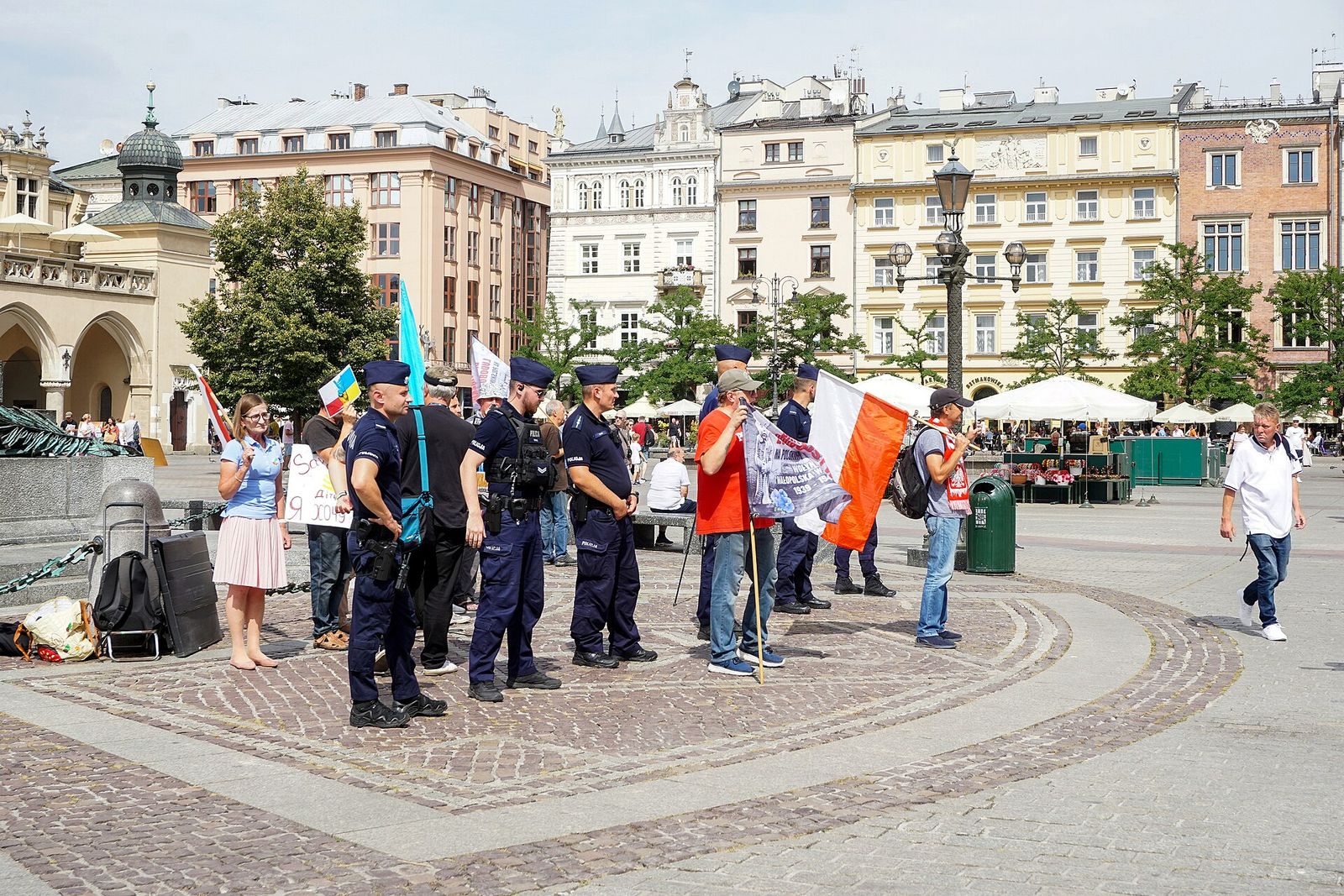
Krakow's old town, centered on the Rynek Glowny market square and the Wawel hill with its castle and cathedral, is compact and walkable, and can be covered thoroughly in a day and a half. Kazimierz, the historic Jewish quarter south of the old town, has synagogues, cemeteries, and a density of cafes and small museums that reward slower exploration than most visitors give it.
Oskar Schindler's Enamel Factory, now a museum on the history of Krakow under German occupation, is a serious and well-curated stop that benefits from a booked time slot. A visit to the Auschwitz-Birkenau Memorial and Museum, about 90 minutes from Krakow by bus or organized transport, is a different kind of undertaking entirely and should not be treated as a standard day-trip attraction. Entry is free but requires a reserved time slot in most seasons, guided tours are strongly recommended for context, and visitors should allow the visit to affect the rest of the day rather than scheduling something festive immediately after. Details on access, timing, and current guidance should come directly from the memorial's own website.
The Rijksmuseum and the Van Gogh Museum, both on the Museumplein, now require timed online tickets in most seasons, and both can sell out days or weeks ahead in summer. Each is dense enough to justify three or four hours, which makes doing both in one day tiring but not unreasonable if that is the only day available.
The smaller houses are where Amsterdam's culture-focused case is really made. The Museum Willet-Holthuysen, a preserved 17th-century canal house on the Herengracht, and Ons' Lieve Heer op Solder, a hidden Catholic church built into the attics of three canal houses near the Red Light District, both take under an hour and give a much more intimate sense of the city's history than the major museums can. Walking the canal ring itself - the Grachtengordel, a UNESCO-listed 17th-century urban plan - is free and arguably the single best way to understand Amsterdam's layout. The Concertgebouw, just off the Museumplein, has a long tradition of low-cost lunchtime concerts on certain weekdays, worth checking against the current program.
Across all six cities, the same practical logic holds. Two major museums a day is close to a hard ceiling before quality of attention drops; a third slips in only if it is small. Many European museums keep at least one late-opening evening a week (Thursday is common in several countries), which thins the crowds considerably and is worth checking city by city. Free or reduced-price evenings exist in some cities on specific days or months, but these change and should always be confirmed locally rather than assumed from an old guidebook or article.
Eating around these museum districts is rarely the problem; most sit near squares or streets with reasonable options, though prices immediately adjacent to major sights tend to run higher than two or three streets away. A short walk in almost any of these cities finds a better and cheaper lunch than the cafe attached to the museum itself.
Several of these cities connect well by train rather than plane, which suits a culture-focused pace better than another airport transfer. Vienna to Prague, or Prague to Krakow, both work as daytime rail journeys, and the wider network is covered in more detail in train travel across Europe. For a broader sense of how these fit against other lesser-known destinations, unusual European getaways worth planning is a useful companion piece.
None of these cities need to be rushed, and the temptation to add a seventh sight to an already full day is usually the point where a trip stops feeling like a break. Choosing depth over a checklist tends to be the difference between a trip you can describe in detail months later and one that blurs into a set of photographs.
Travel By Interest
Coastlines with a village, a boat timetable and something to do at low tide.
7 min read

Travel By Interest
Permits, guides and weather windows: the trips you cannot decide on last week.
8 min read