Where To Go
Unusual European Getaways Worth Planning
Europe's quieter cities reward the traveller who is willing to change trains once more.
By Thomas Bergeron · 3 February 2026 · 10 min read
Where To Go
Europe's quieter cities reward the traveller who is willing to change trains once more.
By Thomas Bergeron · 3 February 2026 · 10 min read
Europe's big-name cities earn their fame honestly, but the continent's rail network and cheap regional flights mean you rarely have to choose between the postcard sights and a place that still feels like it belongs to the people who live there. The ten places below are not obscure. Most have their own airport or a fast train link, decent hotels, and a local tourist office that will happily hand you a map. What they share is scale: small enough to walk across in an afternoon, distinct enough that you would not confuse them with anywhere else, and rewarding for travellers who like a slower pace than Paris or Rome tend to allow.
Ghent sits almost exactly between Bruges and Brussels, and it gets a fraction of the visitors either city pulls in, which is strange given how much survives here. The medieval core, Graslei and Korenlei along the Leie river, the Gravensteen castle with its working moat, and Saint Bavo's Cathedral holding the Ghent Altarpiece, all sit within a fifteen-minute walk of each other. What sets Ghent apart from Bruges is that it is a real working city with a large student population from Ghent University, so the old streets are full of bars, bike traffic and ordinary shops rather than exclusively gift stores. Trains run frequently from Brussels-Zuid (under 40 minutes) and Bruges (about 25 minutes), making Ghent an easy add-on rather than a trip to plan around. Late spring and early autumn suit it best, since July's Gentse Feesten street festival brings large crowds.
Leipzig has been rebuilding its reputation for two decades now, helped along by a wave of artists and small galleries settling into the old Spinnerei cotton mill complex. But the deeper draw is musical: Bach worked at the Thomaskirche for 27 years and is buried there, and the Gewandhausorchester is one of the oldest civic orchestras in the world, still performing regularly in a hall built for it. The city centre is compact and largely pedestrian, with the Nikolaikirche marking where the 1989 Monday demonstrations against the East German government began, a genuinely moving stop for anyone interested in the fall of communism. Leipzig/Halle Airport has a handful of direct European connections, but most visitors arrive by train, with ICE services from Berlin taking about 75 minutes and from Frankfurt around three and a half hours. This suits travellers who like museums and coffeehouses more than nightlife, best visited in the shoulder months.
Trieste never quite feels Italian in the way Venice or Florence do, and that is the point. It belonged to the Habsburg Empire for centuries, and the grand Piazza Unita d'Italia, opening straight onto the Adriatic, was built with imperial ambitions rather than Italian ones in mind. James Joyce lived here for over a decade and wrote much of Ulysses in the city's coffeehouses, several of which, like Caffe San Marco, still operate under their original chandeliers. The Miramare Castle just outside town, built for Archduke Maximilian, sits on a headland with gardens that slope down to the sea. Trieste Airport has limited direct international routes, so many travellers connect through Venice, either flying into Venice Marco Polo and taking a train (about two hours), or driving along the coast road. Visit in shoulder season if you can, since the bora wind off the Karst plateau can make winter visits uncomfortable.
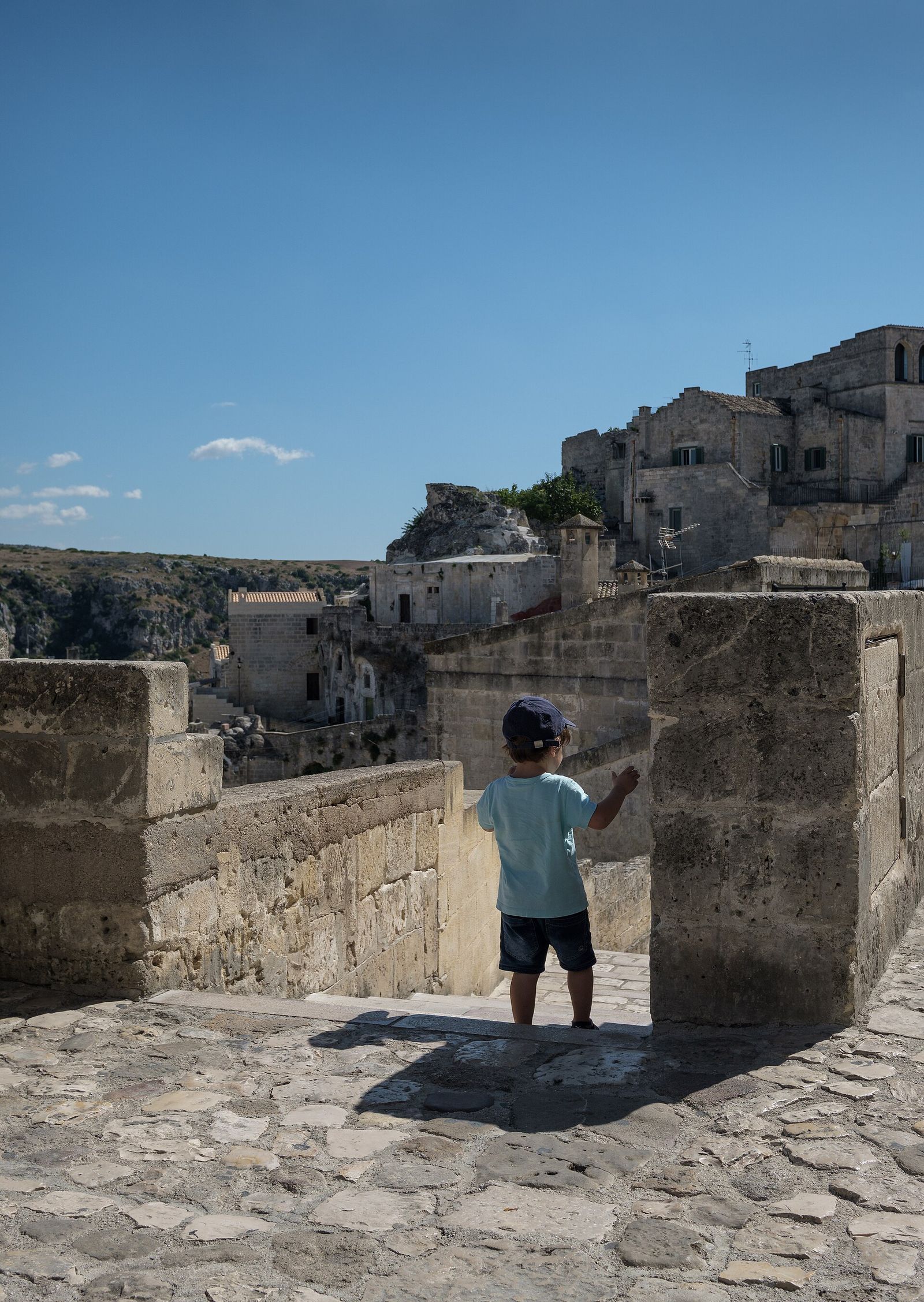
The Sassi di Matera, two ancient districts of homes and churches carved directly into limestone ravines, were considered a national disgrace as recently as the 1950s, when the Italian government forcibly relocated residents living without running water or electricity. Restoration since then has been thorough, and today many of those same cave dwellings operate as boutique hotels and restaurants, lit at night in a way that makes the whole ravine glow. Matera has no airport of its own; most travellers fly into Bari, about an hour and a quarter away by car or connecting bus, or arrive by the regional Ferrovie Appulo Lucane rail line from Bari's city centre station, a slower but scenic option. Because Matera sits inland in Basilicata, often skipped between Puglia and the Amalfi Coast, it rewards an extra day. Visit April, May, September or October, since summer heat in the stone streets is intense.
Kotor's old town is small enough to cross in ten minutes, but the setting does the work: a walled medieval port at the head of the Bay of Kotor, with fortifications climbing 260 metres up the mountainside behind it, built originally by the Venetians. Cruise ships call frequently in summer, which can crowd the old town by midday, so early mornings and evenings are when the place actually feels like itself. Tivat Airport is a short 15-minute drive and has seasonal direct flights from several European cities, while Dubrovnik Airport, about two hours away by road across the Croatia-Montenegro border, offers more year-round options. The coastal drive between the two involves a short ferry crossing at Kamenari, worth knowing before you plan timing. Late spring and early autumn avoid both the cruise crowds and the coldest, cloudiest winter weeks.
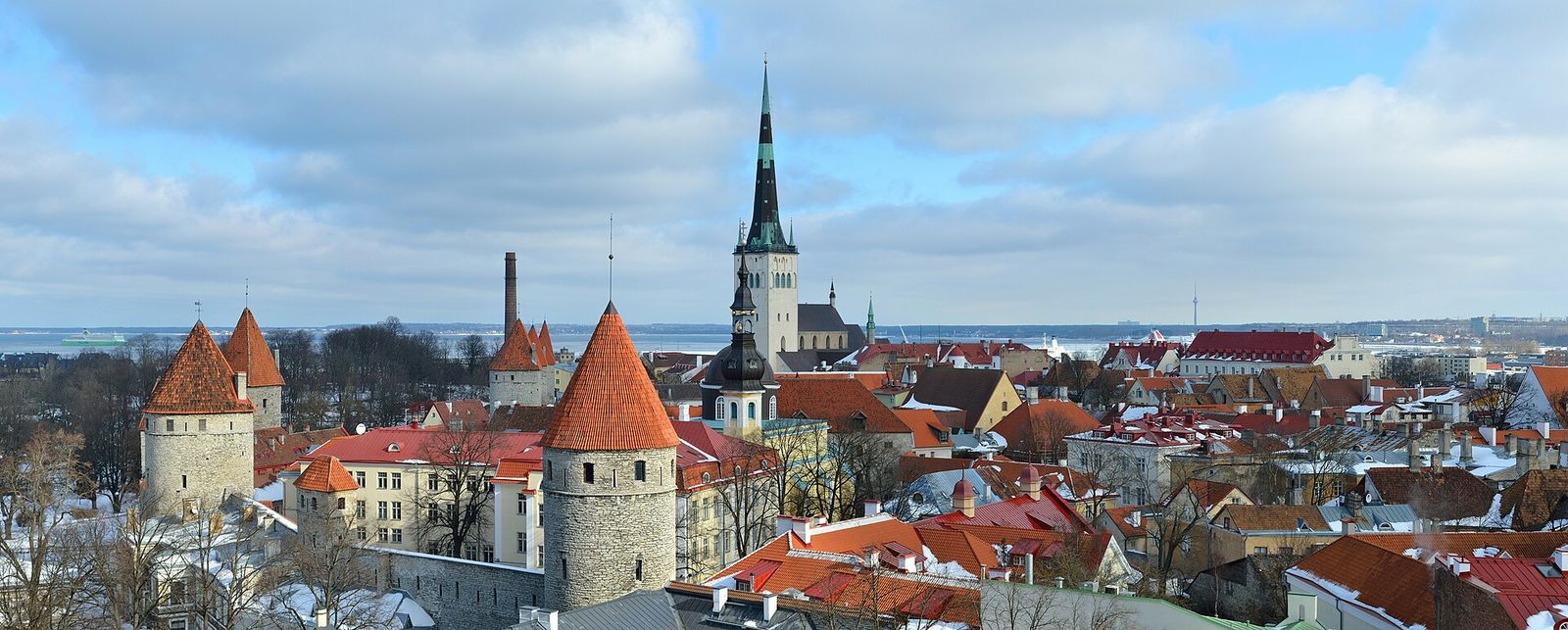
Vilnius does not get mentioned in the same breath as Prague or Krakow, but its old town is a UNESCO World Heritage Site with a density of baroque churches that few cities this size can match. Uzupis, a former industrial district across the Vilnia river, declared itself a self-styled independent republic in 1997 and now functions as an arts quarter with its own tongue-in-cheek constitution posted on a wall in multiple languages. Vilnius Airport sits close to the centre, about a 20-minute bus or taxi ride, with direct connections to major European hubs including Riga, Warsaw and Frankfurt. Rail links within the Baltics are improving with the Rail Baltica project, though for now most travellers still combine Vilnius with Riga and Tallinn by bus, a comfortable journey of around four hours between each pair of capitals. Visit in the warmer months if you want the outdoor cafe culture in full swing, though a quieter, snow-covered December has its own appeal for travellers interested in culture-focused city breaks.
Aveiro gets called the Venice of Portugal often enough that it undersells itself; the moliceiro boats that ply its canals were originally built to harvest seaweed for fertiliser, not to ferry tourists, though they now do both. The town's art nouveau buildings, many faced in colourful tile, cluster around the central canal, and the nearby Ria de Aveiro lagoon still supports working salt pans where you can watch traditional harvesting in summer. Porto's Francisco Sa Carneiro Airport is the closest, with Aveiro reachable by a direct train in around an hour, making it a straightforward day trip or overnight from Porto without a rental car. The nearby beach town of Costa Nova, with its candy-striped fishing houses, is a short bus ride further and worth the extra half day. Spring through early autumn suits Aveiro best, since canal boats and lagoon activities slow down in winter.
For years Girona was known mainly as the budget airport an hour and a half from Barcelona, but the old town deserves attention on its own terms. The Onyar river runs through the city lined with brightly painted houses, a view that has become one of Catalonia's most photographed, and the medieval Jewish quarter, El Call, is among the best preserved in Europe, its narrow stepped alleys barely wide enough for two people. Girona Cathedral has the widest Gothic nave in the world, and part of the city walls can still be walked for views over the rooftops. High-speed AVE trains connect Girona to Barcelona in about 40 minutes, making it a realistic base for the Costa Brava. Spring and autumn keep the heat manageable and avoid the worst of the summer crowds drawn to the coast nearby.
Transylvania's Saxon towns were built by German settlers from the 12th century onward, and Sibiu's main square, ringed by houses with distinctive roof windows locals call the eyes of the city, still shows that heritage clearly. Brasov, an hour and a half away by road, sits directly beneath Mount Tampa and keeps a similarly intact old town, with the Black Church, a Gothic landmark named for smoke damage from a 17th-century fire, as its centrepiece. Both towns make good bases for day trips into the surrounding Carpathians, including Bran Castle, marketed heavily around its loose Dracula connection but worth visiting for the building itself. Sibiu has a small airport with limited seasonal routes, so most travellers fly into Bucharest and take the train, three to five hours depending on the route. Early autumn brings clear mountain light, while winter is cold but beautiful if you are prepared.
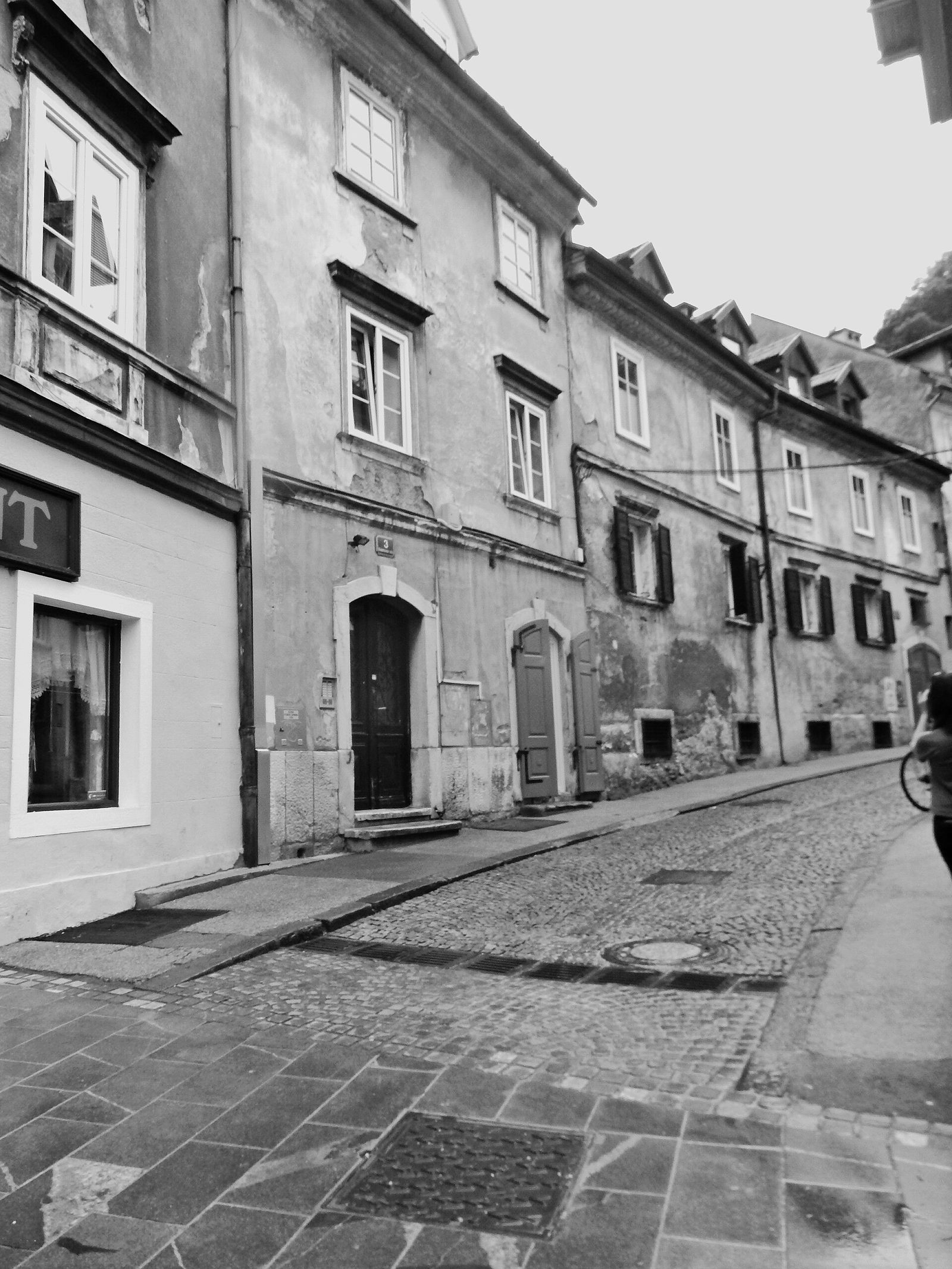
Ljubljana's old town, closed to most private traffic, wraps around a hilltop castle and the Ljubljanica river, crossed by bridges designed in part by architect Joze Plecnik, whose fingerprints are on much of the city's public space. It is small enough to see in a day and a half, a natural gateway to the Soca Valley roughly two hours northwest by car. The Soca river itself runs an almost unreal turquoise colour through limestone gorges near Bovec and Kobarid, popular with kayakers and hikers and threaded through with First World War history along the Isonzo Front. Ljubljana Airport has a modest set of European connections, and the city is also reachable by train from Vienna (about six hours) or Zagreb (about two). Summer suits the Soca Valley's rafting season, while Ljubljana is pleasant nearly year round.
Bergen's Bryggen wharf, a row of tilted wooden Hanseatic trading houses now housing shops and small museums, is the obvious first stop, best paired with a funicular ride up Mount Floyen for a view over the harbour and surrounding hills. From Bergen, the Hardangerfjord is a two to two and a half hour drive southeast, a route that passes waterfalls, fruit orchards in bloom during May, and small ferry crossings that add a slower rhythm to the trip than driving alone would suggest. Bergen Airport Flesland has direct flights from major northern European cities, and the Bergen Railway from Oslo crosses the Hardangervidda plateau in around seven hours. Late spring through early autumn is the realistic window, since smaller roads and ferries scale back in winter.
South and east of Lisbon, the Alentejo trades the Algarve's beaches for rolling wheat fields, cork oak plantations and hilltop towns like Evora, whose Roman temple still stands nearly intact in the centre of a lively university city. Marvao and Monsaraz, both perched on defensive ridges, offer views across the plain and a pace of life built around long lunches and the Alentejo's respected wines. There is no dedicated airport; most visitors rent a car from Lisbon, with Evora about ninety minutes away, best suited to travellers comfortable with how to build a realistic travel budget that includes a hire car. Spring and autumn are far more comfortable than the Alentejo's brutal summer heat.
The Faroe Islands belong to Denmark but govern most of their own affairs, and the landscape looks like nowhere else covered here: turf-roofed villages tucked into fjords, sheer sea cliffs thick with nesting birds, and roads that tunnel directly beneath the ocean to connect islands. Torshavn, the capital, is one of the smallest in the world, its old Tinganes quarter home to government buildings that still sit among red-painted timber houses with grass roofs. Atlantic Airways flies direct from Copenhagen, Reykjavik and a handful of other cities into Vagar Airport, the only one in the archipelago, and a rental car is close to essential once you land. Weather changes fast here regardless of season, and travellers heading to viewpoints like Traelanipa or Gasadalur should check forecasts closely, a habit worth building before any trip, as covered in our before you go guide. Summer brings the mildest weather and near-endless daylight, though the islands are compelling in any season for travellers who value scenery over crowds.
None of these places demands weeks of planning, and several pair naturally: Ghent with Bruges or Brussels, Girona with Barcelona, Sibiu with Brasov, Bergen with the Hardangerfjord. The common thread is that arriving somewhere with fewer crowds tends to leave more room for the kind of unplanned wandering that ends up being the best part of the trip, and Europe's dense rail and regional flight network makes that entirely practical. For help sequencing a longer route across several of these regions, see our guide to train travel across Europe, and for the logistics of the airports involved, our piece on airport connections covers what to expect at some of the smaller hubs mentioned above.
Where To Go
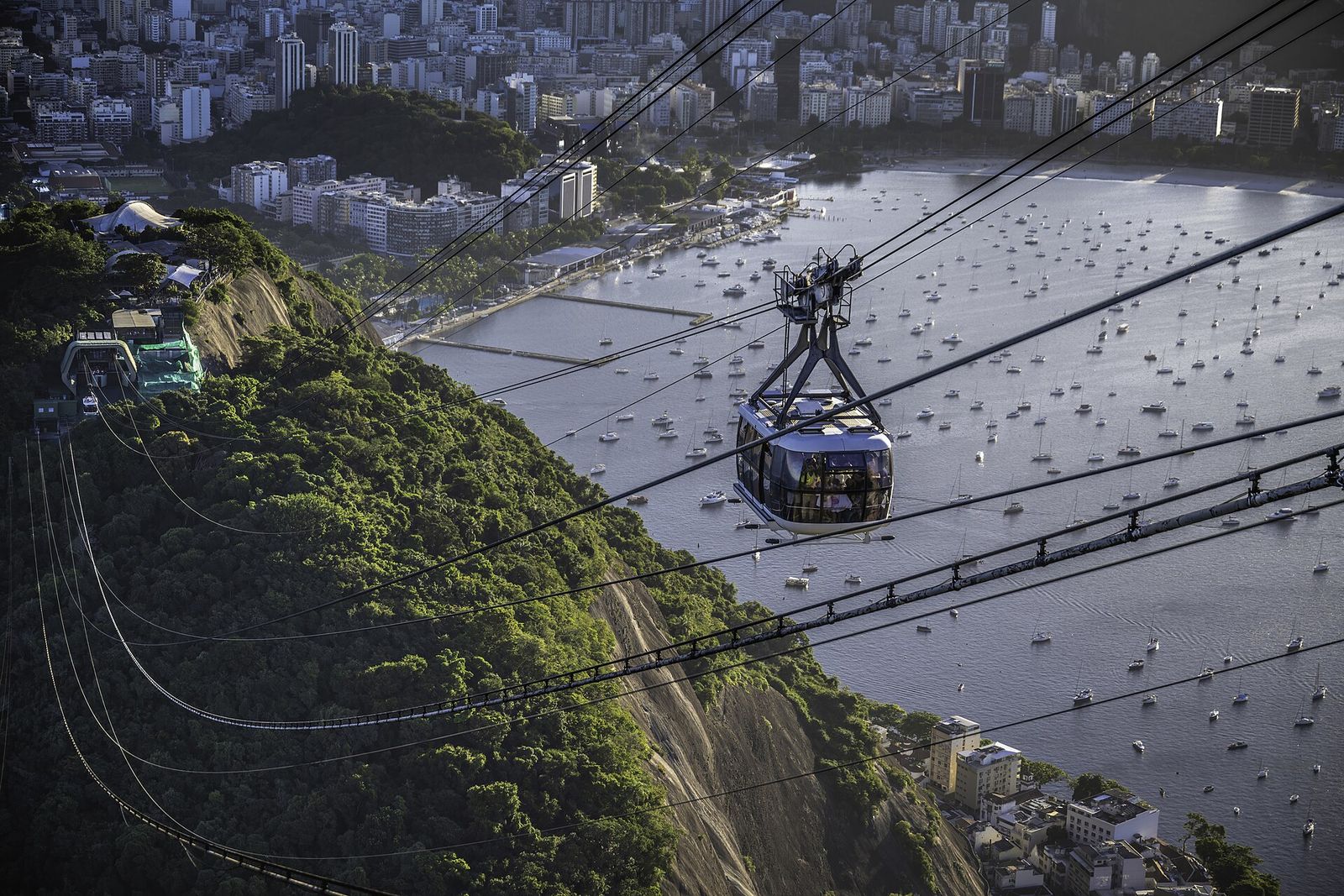
Two full days in Rio, arranged around the bay, the beaches and the hills, with realistic travel times between them.
8 min read
Where To Go
A first trip to Japan works best as a line, not a loop: Tokyo, one detour, then Kyoto.
8 min read
Where To Go
A short, honest itinerary for Iceland's south coast, including how far you can reasonably drive.
8 min read