Where To Go
A First Visit To Lisbon: Neighborhoods, Viewpoints And Day Trips
Lisbon is a city of hills and viewpoints; here is how to walk it without exhausting yourself.
By Daniel Okonjo · 5 March 2026 · 8 min read
Where To Go
Lisbon is a city of hills and viewpoints; here is how to walk it without exhausting yourself.
By Daniel Okonjo · 5 March 2026 · 8 min read
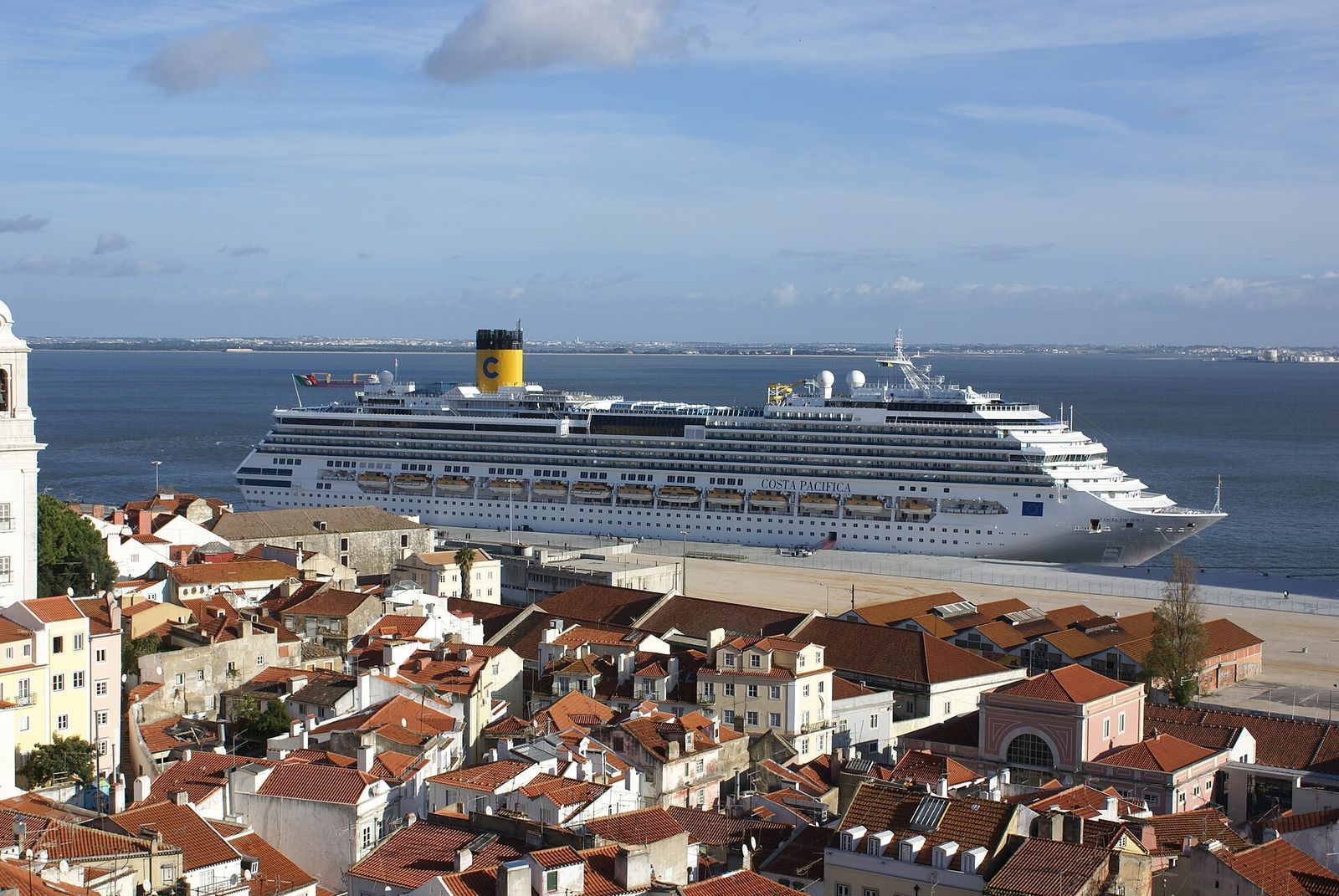
Lisbon does not reveal itself on a flat map the way Barcelona or Berlin do. It is built across seven hills above the Tagus, and a first-time visitor who tries to walk it like a grid city will end up sore, sweaty and slightly resentful by day two. The trick is to plan a route that respects gravity: ride up, walk down, and let the trams and funiculars do the climbing you would otherwise regret. This guide lays out a workable order for a first visit of four or five days, moving from the flat baixa grid up into the hillside neighbourhoods, out to the river at Belem, and finally beyond the city for a day or two.
Baixa is the rebuilt heart of the city, laid out on a strict grid after the 1755 earthquake, and it is the only part of central Lisbon where you can walk in a straight line without your calves complaining. Praca do Comercio opens onto the Tagus, with the Arco da Rua Augusta framing the pedestrian street that runs north through the grid to Rossio. This is a good first afternoon: no steep climbs, plenty of cafes for the jet-lagged, and a clear sense of the city's layout before you tackle the hills on either side.
Cais do Sodre station sits at the western edge of Baixa, right on the river, and it is one of the more useful transport hubs in the city. From here the suburban rail line runs along the coast to Belem, Oeiras and eventually Cascais, and the metro's green line connects north into the rest of the network. Santa Apolonia, further east past Alfama, is the terminus for many regional and international trains, including services toward Porto and onward into Spain. Knowing these two stations early saves a lot of confusion later, since a lot of first-time visitors assume Lisbon has one central station the way Paris or London does. It does not; the city's rail geography is split across several terminals depending on direction.
From Baixa, the oldest quarter of the city climbs steeply to the east. Alfama survived the earthquake relatively intact because of its bedrock foundations, and its streets still follow a medieval, almost Moorish logic: narrow, looping, occasionally dead-ending at someone's laundry line. This is where tram 28 earns its reputation. The vintage yellow tram winds up through Alfama's tightest corners toward Graca, and while it is often standing-room-only with tourists by mid-morning, riding even one or two stops of it saves a genuinely brutal climb. If you can, catch it early, before 9am, from a stop near Martim Moniz rather than fighting the queue at the main terminus.
Portas do Sol is the miradouro, or viewpoint, that rewards the climb through Alfama, looking out over the terracotta rooftops toward the river and the dome of the National Pantheon. A little further up, past the Castelo de Sao Jorge, Graca's Senhora do Monte miradouro is quieter and arguably has the better sweep of the city, taking in the castle hill, the river, and on a clear day the outline of the 25 de Abril bridge in the far distance. Locals bring beer from the nearby kiosk and sit on the low wall at sunset; it is worth timing a visit for the last hour of daylight if your legs can manage one more climb by then.
West of Baixa the terrain rises again into Chiado, a more polished district of bookshops, theatres and the wrought-iron Elevador de Santa Justa, which lifts you from the Baixa grid up to roughly Chiado's level without a step. Above Chiado sits Bairro Alto, a dense grid of narrow streets that spends its days looking almost residential and its nights turning into one of the busiest bar districts in the city. During daylight it is worth wandering for the miradouro at Santa Catarina, a terraced viewpoint over the river popular with a younger, more local crowd than Portas do Sol, especially as evening approaches.
Keep climbing north and the streets open out into Principe Real, a leafier, more residential neighbourhood with a cluster of design shops, small squares and a noticeably calmer pace. It is not as postcard-famous as Alfama, but it is a good place to slow down after two days of hills, and it connects easily back down to Baixa or across to Bairro Alto on foot. Tram 15, distinct from the more famous 28, runs a different route out toward Belem along the flatter riverside road, and is worth knowing about separately since visitors often conflate the two lines.
Lisbon's metro has four lines, colour-coded blue, yellow, green and red, and while it does not reach every hillside neighbourhood, it is genuinely useful for skipping the worst climbs. The blue line connects Baixa (Baixa-Chiado station) up toward the airport in one direction, which matters for arrival day since a taxi is not strictly necessary. The red line runs out to Parque das Nacoes, the riverside district built for Expo 98, which is flat, modern and a useful contrast after several days of medieval alleys; the Oceanario there is one of the larger aquariums in Europe and worth half a day if travelling with kids. For guidance on choosing where to base yourself relative to all this, see how to choose the right neighbourhood in a new city, since staying in Baixa or Chiado cuts down dramatically on the daily climbing compared to a room up in Alfama or Graca.
Belem deserves its own half-day, partly because it is flat and partly because it holds a cluster of the city's most substantial monuments: the Jeronimos Monastery, the Belem Tower down by the water, and the Padrao dos Descobrimentos monument to the age of exploration. It is easiest reached from Cais do Sodre on the suburban train (a few minutes) or on tram 15 if you prefer to see the riverside road along the way. This is also, unavoidably, where the original Pasteis de Belem bakery sits, and the queue outside is less about tourist hype than about a genuinely large local demand; if the line looks long, custard tarts from other bakeries around the city are also good, and Belem's version is a specific, not essential, pilgrimage.
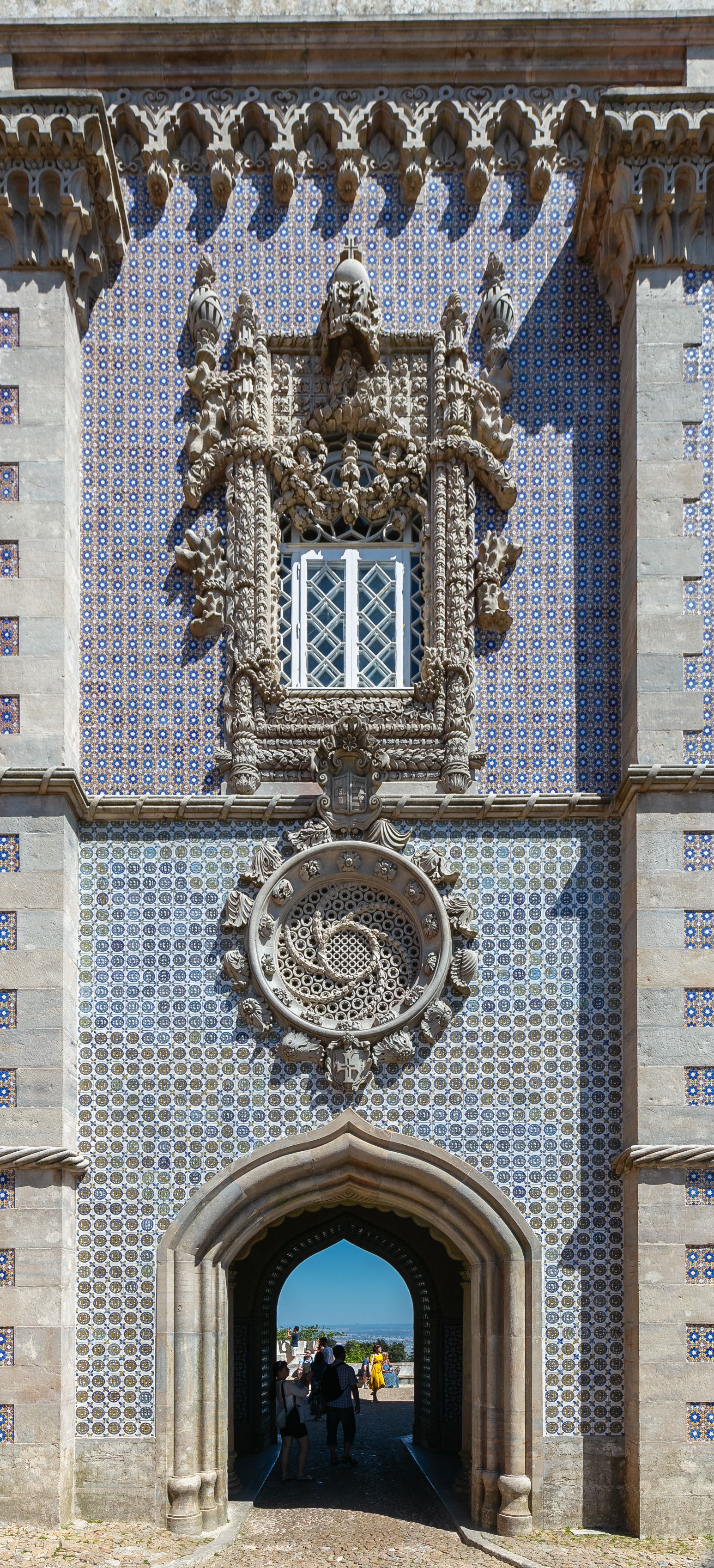
Once the city itself feels covered, three day trips extend the visit without requiring a change of base. Sintra, reached by train from Rossio station in about 40 minutes, is a hill town of romantic-era palaces, most famously the brightly coloured Pena Palace and the eerier Quinta da Regaleira with its sunken initiation well. Sintra is popular enough that arriving by mid-morning often means real queues for the palace shuttle bus and the sites themselves, so an early departure, on one of the first trains, makes a genuine difference to how much you actually see in a day.
Cascais, on the same coastal rail line as Belem but continuing further out from Cais do Sodre, is a former fishing town turned relaxed resort, with a walkable old centre, a small sandy beach and a cliffside path out toward the Boca do Inferno sea chasm. It suits a lighter, slower day after the intensity of Sintra or the hills of central Lisbon. Setubal, south across the river and reached by a combination of train or bus and, for some routes, a ferry, is a working port town less shaped by tourism, known for grilled fish, a hilltop fort, and the Arrabida nature park nearby with its own quieter beaches. It requires a bit more planning to reach than Sintra or Cascais but rewards those who want a day that feels less curated.
The mistake most first-time visitors make with Lisbon is treating it like a flat European capital and scheduling accordingly, three or four major sights a day, back to back. The hills change that math. A single crossing from Alfama up to Graca and back down can eat 45 minutes even at a relaxed pace, and doing it twice in one day, once for a viewpoint and once for a restaurant, adds up fast. It works better to cluster a day by altitude: one day low and flat (Baixa, the river, Belem), one day climbing through Alfama and Graca with tram assistance, one day in Chiado, Bairro Alto and Principe Real, and one or two days out of the city entirely. For broader thinking on this kind of pacing across a longer trip, see how to plan a trip without overpacking the schedule, and if Lisbon is one stop among several, how to plan a multi-city international trip is worth reading before you book connecting trains or flights.
None of this requires excessive fitness, and Lisbon rewards patience more than speed anyway. Sit at a miradouro longer than feels necessary. Let a tram pass if it is too crowded and take the next one. The city's real pleasure is less about ticking off sights and more about the accumulation of small views, a street of azulejo tiles catching late light, a fado bar's open door in Alfama, the river suddenly visible at the end of an alley, and those arrive on their own schedule, not yours.
For planning the logistics side of arrival, from airport transfer to what documents you will need if connecting through another Schengen country first, see before you go and airport connections. Both are useful reading before a first Lisbon trip, particularly if it is combined with other Iberian or European stops on the same itinerary.

Where To Go
Two full days in Rio, arranged around the bay, the beaches and the hills, with realistic travel times between them.
8 min read
Where To Go
A first trip to Japan works best as a line, not a loop: Tokyo, one detour, then Kyoto.
8 min read
Where To Go
Europe's quieter cities reward the traveller who is willing to change trains once more.
10 min read