Where To Go
New York Beyond Manhattan: Neighborhoods Worth Exploring
Four outer-borough neighbourhoods that reward a full afternoon each.
By Marta Solberg · 6 March 2026 · 8 min read
Where To Go
Four outer-borough neighbourhoods that reward a full afternoon each.
By Marta Solberg · 6 March 2026 · 8 min read
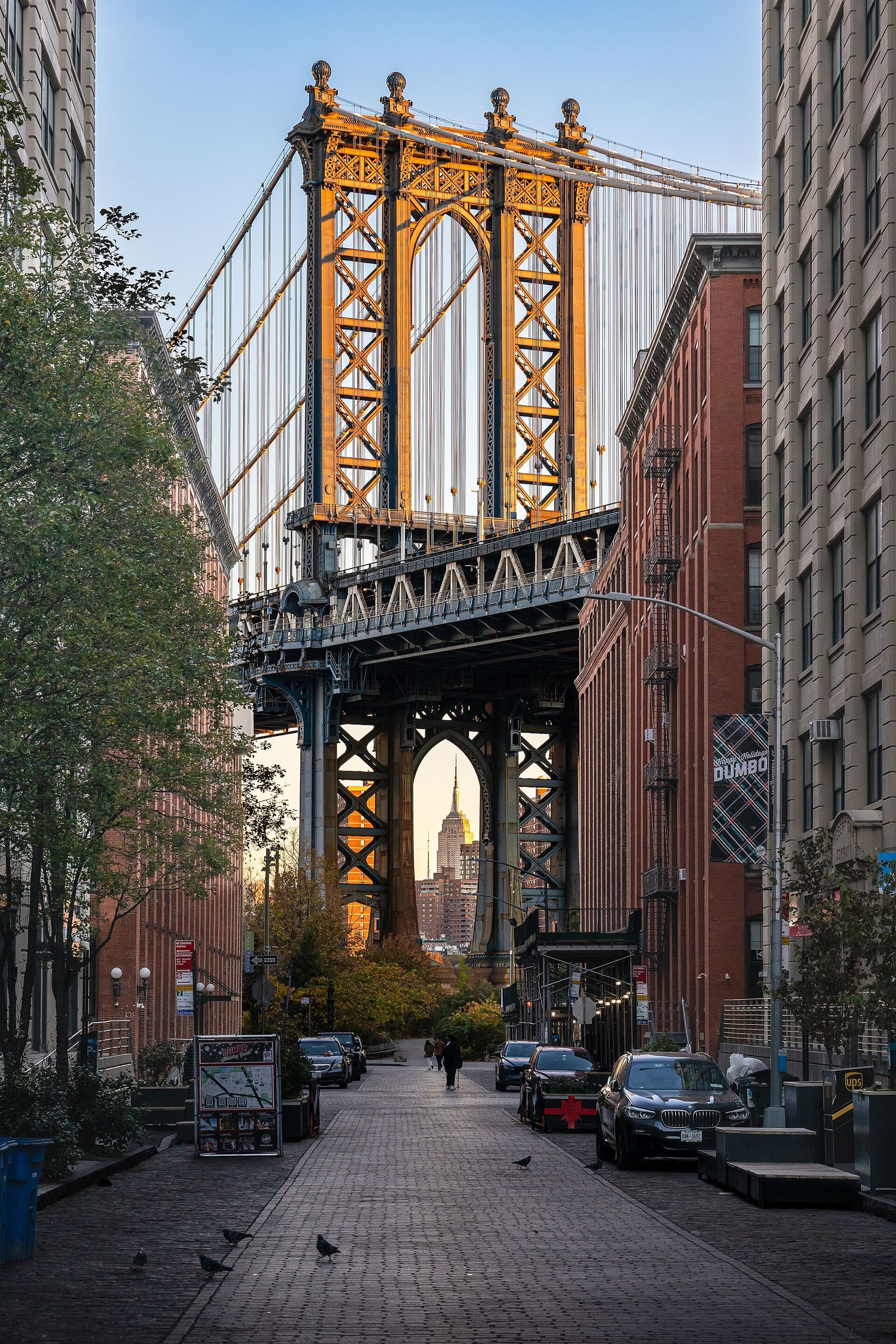
Manhattan is the postcard, but it is also, geographically, the smallest of New York's five boroughs, and a visitor who never leaves it sees a version of the city that most of its eight million residents would not recognize as home. Brooklyn alone has more people than Chicago. Queens is the most linguistically diverse county in the United States. The Bronx holds the birthplace of hip-hop and one of the largest botanical gardens in the country, and Staten Island, most often dismissed as a ferry ride and nothing else, has its own hills, its own harbor history and a genuinely strange, wonderful former sailors' home turned arts center. This is a borough-by-borough case for getting on the subway and going further than 14th Street.
Brooklyn is large enough that treating it as one neighbourhood is its own mistake. Greenpoint, at the northern tip and reachable via the G train (the one line that famously never touches Manhattan) or the East River Ferry from Long Island City, retains a strong Polish community alongside newer arrivals, with pierogi shops on Manhattan Avenue sitting a few blocks from natural wine bars. Bushwick, a short ride further on the L or the M, built its reputation on warehouse studios and street murals, particularly around the Bushwick Collective, and has since filled in with restaurants and small galleries without losing the industrial bones of the neighbourhood entirely.
Bed-Stuy (Bedford-Stuyvesant), served by the A and C trains, is one of the largest historically Black neighbourhoods in the country, lined with brownstones from the late 1800s and early 1900s that give a very different sense of New York residential architecture than Manhattan's apartment towers. Sunset Park, further south along the R train, holds both a large Chinese community around 8th Avenue and a growing Latino population near 5th Avenue, essentially two distinct commercial strips a few blocks apart, plus the park itself, which climbs a hill high enough to see the whole harbor and the Statue of Liberty from a bench that costs nothing to sit on.
Coney Island, at the far end of the D, F, N and Q lines (about 50 minutes from midtown Manhattan on a good day), is not a nostalgia act so much as a place that never actually closed: the Wonder Wheel and the wooden Cyclone roller coaster still run seasonally, Nathan's Famous still sells hot dogs on the corner where the chain started, and the boardwalk stretches far enough that the crowds thin out fast if you walk toward Brighton Beach, a Russian-speaking neighbourhood next door with its own restaurants and a beach that is quieter than Coney's main stretch. Brooklyn Heights and Prospect Heights sit at the calmer end of the spectrum: the Heights has the promenade with its close-up view of lower Manhattan and the Brooklyn Bridge, reachable easily via the A, C or 2, 3 trains to Clark Street or Borough Hall, while Prospect Heights, near the 2, 3 to Grand Army Plaza, opens onto Prospect Park and the Brooklyn Museum, a genuinely underrated collection that rarely has the queues of its Manhattan counterparts.
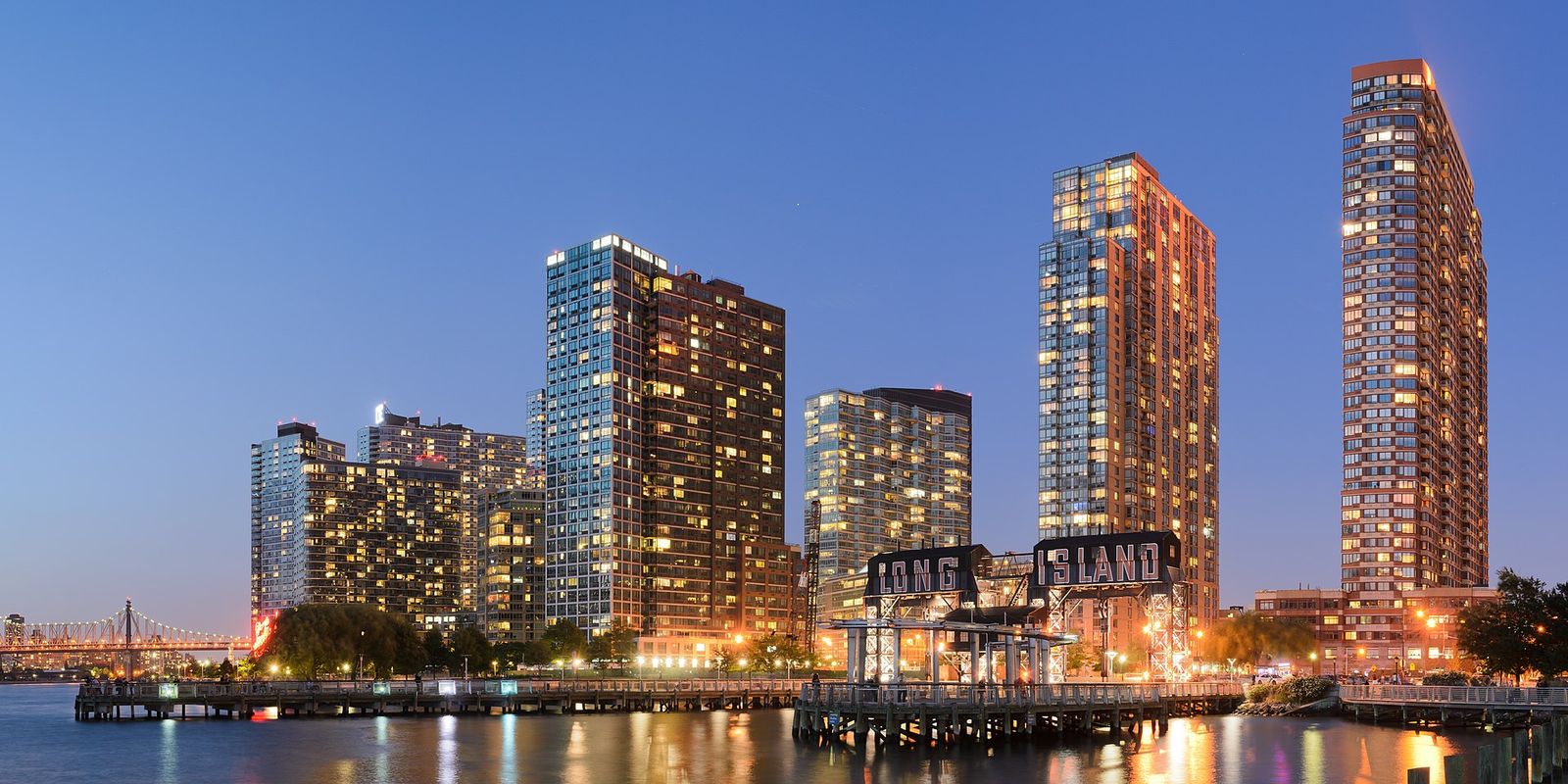
Astoria, close to Manhattan via the N and W trains and only about 20 minutes from midtown, has a long-standing Greek community around Ditmars Boulevard alongside newer Middle Eastern and Latin American businesses, and it is one of the easier outer-borough neighbourhoods to visit on a short trip precisely because of how quick the ride is. Long Island City, just one stop further and also served by the 7 train and the East River Ferry, has transformed over roughly two decades from industrial waterfront into a cluster of high-rises, with MoMA PS1 (an offshoot of the Manhattan museum) and Gantry Plaza State Park offering one of the best skyline views of Manhattan from directly across the water, arguably better than anything available from the Manhattan side itself.
Jackson Heights, on the 7 train about 25 minutes from Times Square, concentrates South Asian and Latin American communities along 74th Street and Roosevelt Avenue, with a density of good, inexpensive food that rewards simply picking a block and eating your way down it. Flushing, at the very end of the 7 line, functions almost as a second Chinatown, larger in some respects than Manhattan's, with a downtown built around Main Street that includes malls of food stalls specializing in regional Chinese cuisines rarely found elsewhere in the city. The Long Island Rail Road also stops at Flushing-Main Street, which can be a faster option than the subway depending on where in Manhattan you are starting from. Rockaway Beach, reachable by the A train (a long ride, close to an hour from midtown, though the seasonal NYC Ferry route cuts that down) or the LIRR, is New York's actual ocean surf beach, with a boardwalk, food vendors clustered near Beach 96th Street, and a noticeably different pace than the crowded sands of Coney Island.
Most visitors who go to the Bronx at all go for Yankee Stadium and leave immediately after, which skips two of the borough's better reasons to stay longer. Belmont, often called Arthur Avenue after its main commercial street, is New York's actual Little Italy in terms of density and authenticity, reachable via the 2 or 5 train to Pelham Parkway or the express Bx12 bus, or via Metro-North's Harlem Line to Fordham station followed by a short walk or bus. The Arthur Avenue Retail Market has sold Italian meats, cheeses and produce from the same stalls for generations, and the surrounding blocks hold red-sauce restaurants that predate most of Manhattan's version of the same cuisine.
Right nearby, Bronx Park holds the New York Botanical Garden and, across the road, the Bronx Zoo, both large enough to fill a full day each and both reachable directly from Grand Central on Metro-North's Harlem Line to the Botanical Garden station, a ride of about 20 minutes that is faster than most subway trips within Manhattan itself. City Island, at the borough's eastern edge and reached via the 6 train to Pelham Bay Park followed by the Bx29 bus, feels almost like a New England fishing village transplanted into New York City limits, with seafood restaurants along the main street and sailboats moored just offshore. It is a strange, slow contrast to the density most visitors associate with the Bronx, and it is easy to forget you are still within city limits at all.
The Staten Island Ferry is free, runs around the clock, and gives arguably the best view of the Statue of Liberty and lower Manhattan skyline available without paying for a boat tour, which is reason enough for most visitors to ride it once. But getting off at the St George terminal opens up a borough that rarely gets credit for having its own character. St George itself has been quietly redeveloped around the terminal, with the Staten Island Yankees' minor league ballpark and a growing restaurant scene near the water. A short bus ride (the S40) or a 25-minute walk brings you to Snug Harbor Cultural Center, a former home for retired sailors built in the 1830s that now houses botanical gardens, a children's museum and several art institutions spread across a genuinely striking campus of Greek Revival buildings, one of the more surprising finds in the entire city for how little foot traffic it gets.
The obvious shift is pace. Manhattan below 96th Street runs on a density and speed that can feel performative after a few days, everyone walking with purpose, every block monetized. The outer boroughs, even the busy commercial strips of Flushing or Jackson Heights, carry a different rhythm because they are primarily residential first and tourist destinations second. You notice families doing ordinary Saturday errands, kids on bikes, block associations' flyers on lampposts, the texture of a city actually being lived in rather than visited. For a related idea about choosing where to spend time in an unfamiliar city, see how to choose the right neighbourhood in a new city.
The other shift is cost and space. A meal in Jackson Heights or Sunset Park routinely costs a fraction of a comparable dish in Midtown, not because the quality is lower but because rents are, and portions in the outer boroughs tend to assume a local, repeat customer rather than a one-time tourist. Housing stock changes too: the brownstones of Bed-Stuy and Brooklyn Heights, the small wood-frame houses of City Island, the postwar apartment blocks of Flushing, all tell a more varied architectural story than Manhattan's dominant high-rise grid.
None of this argues against Manhattan, which still holds an outsized share of the city's museums, theatre and architecture worth seeing on any first visit. But a trip that budgets even a single full day per additional borough, one for Brooklyn's waterfront and brownstones, one for Queens' food streets, a half day each for the Bronx and Staten Island, comes home with a far more accurate sense of the city than five days spent entirely below 59th Street. For thinking through how much ground a trip like this can realistically cover, see how to plan a trip without overpacking the schedule, and for the wider context of how New York fits among comparable big-city breaks, culture-focused city breaks around Europe offers a useful point of comparison even though it covers a different continent entirely.
Where To Go
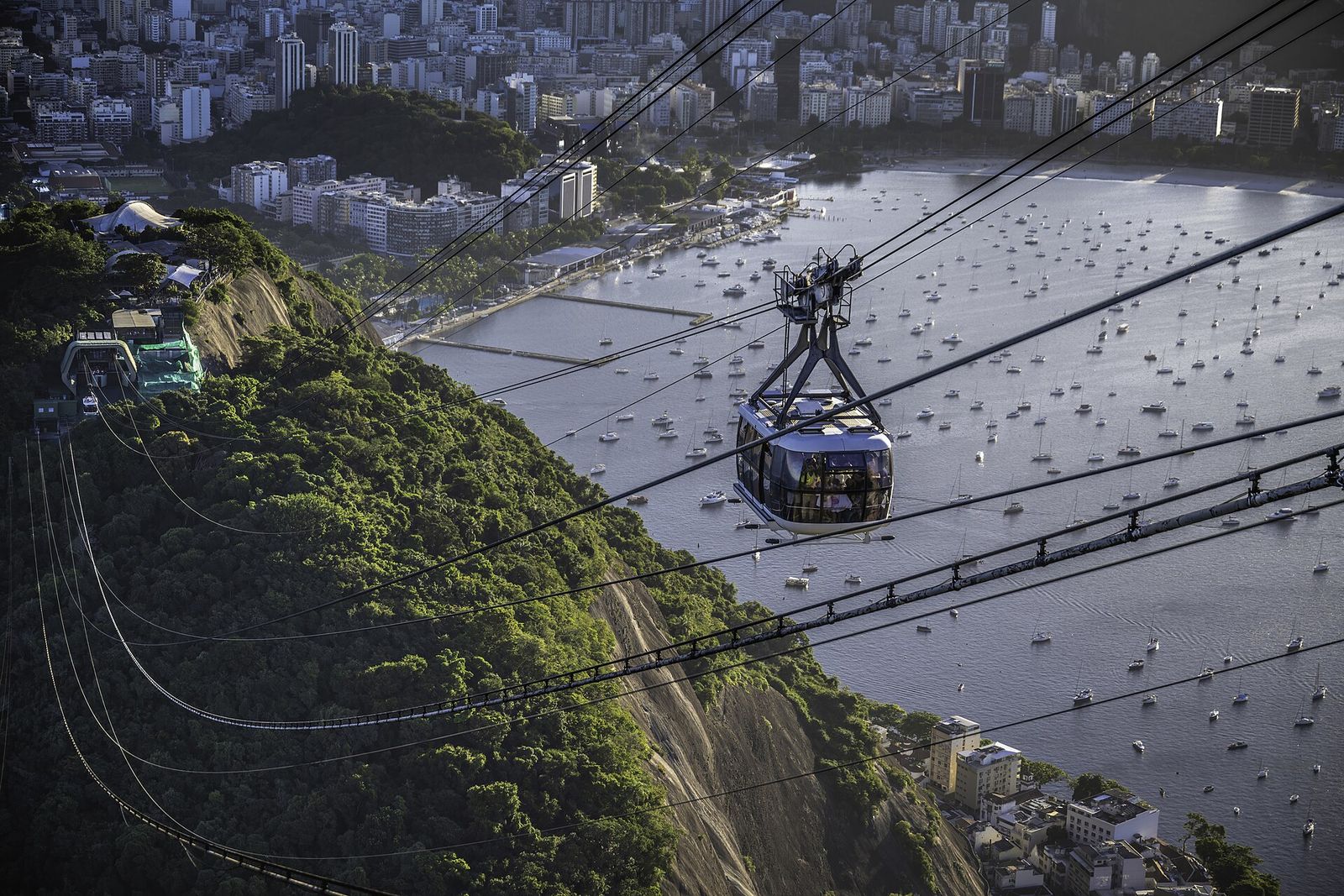
Two full days in Rio, arranged around the bay, the beaches and the hills, with realistic travel times between them.
8 min read
Where To Go
A first trip to Japan works best as a line, not a loop: Tokyo, one detour, then Kyoto.
8 min read
Where To Go
Europe's quieter cities reward the traveller who is willing to change trains once more.
10 min read